









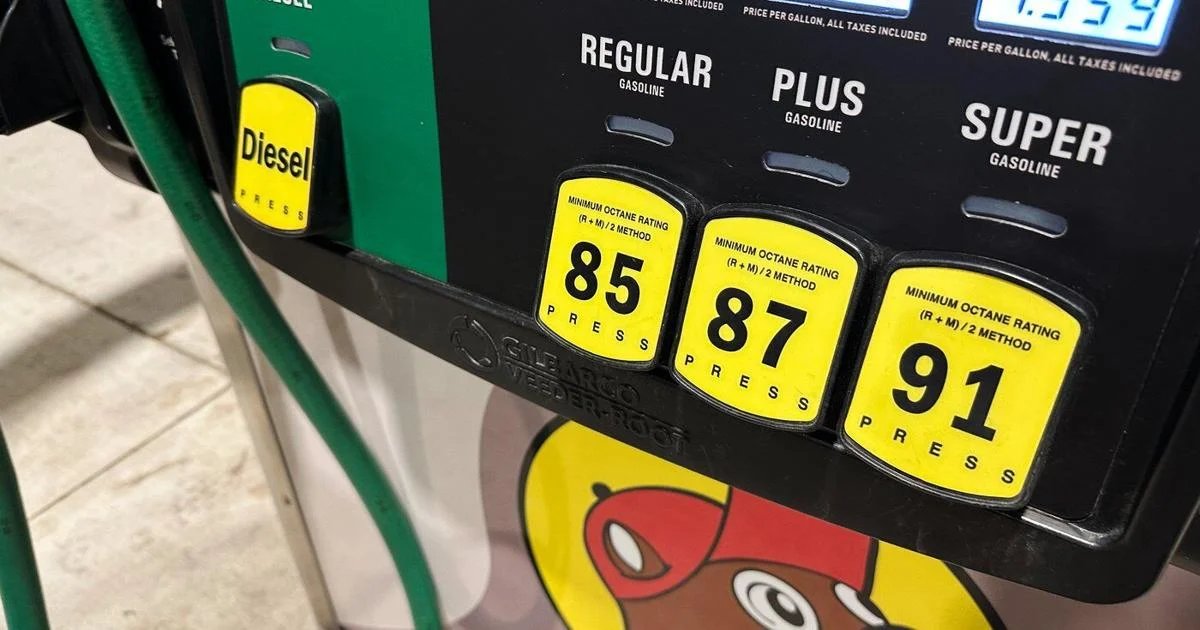
The International Energy Agency (IEA) has issued a sobering revision to its global oil demand forecast, signaling a cooling period for energy markets amidst persistent geopolitical volatility. As conflicts intensify in Iran, the resulting supply-chain disruptions and climbing fuel prices are casting a long shadow over the global economy, forcing industries to recalibrate their expectations for the remainder of the year.
The Energy Market Pivot and Economic Uncertainty
The IEA’s latest report highlights a significant shift in energy consumption patterns, driven largely by the instability in the Middle East. With supply lines under pressure and the threat of regional escalation looming, oil prices have remained stubbornly high, acting as a tax on global economic growth.
This environment of uncertainty is not just affecting traditional energy sectors but is also fundamentally altering how multinational corporations approach their operational budgets. The rising costs of logistics, transportation, and raw materials are forcing a “wait-and-see” approach among investors, as the predictability of energy costs—a cornerstone of modern industrial planning—has largely evaporated.
AI and Tech Industry Resilience to Energy Volatility
While the energy crisis creates a turbulent landscape, the technology sector is increasingly turning to artificial intelligence and data-driven infrastructure to mitigate risks. Tech giants, including Google, are leveraging their internal AI capabilities to optimize energy consumption within their massive data centers. By employing machine learning models to adjust cooling systems and server loads in real-time, these companies are effectively insulating themselves from the volatile price swings impacting the broader economy.
Google has been at the forefront of this movement, integrating AI into its Google Cloud infrastructure to help enterprise clients monitor their carbon footprints and energy efficiency. As fuel prices rise, the value proposition of these digital tools has surged. Businesses are now prioritizing “smart” infrastructure that can dynamically respond to energy market spikes, effectively using algorithms to do the work that human managers previously struggled to track manually.
Technological Integration and the Future of Energy
Beyond internal efficiencies, the intersection of tech and energy is deepening as the search for alternative power sources becomes a matter of fiscal survival. Google and other tech conglomerates are investing heavily in AI-driven energy forecasting platforms that assist utility providers in managing the transition to renewable sources. These tools use predictive analytics to balance grid loads during periods of peak demand, reducing the reliance on volatile oil supplies.
Furthermore, Google’s latest updates to its mapping and navigation services are increasingly focused on helping users—and fleets—reduce fuel consumption. By utilizing AI to analyze traffic patterns and suggest the most fuel-efficient routes, these platforms are now serving as a frontline tool for consumers and logistics companies attempting to navigate the high-cost energy environment.
A Digital Response to Global Instability
The IEA’s downward revision is a stark reminder that the global economy remains fragile. However, the tech industry’s pivot toward high-efficiency, AI-optimized systems suggests a paradigm shift in how global enterprises view energy security. As the world navigates the current supply constraints in Iran and beyond, the reliance on manual energy management is rapidly being replaced by autonomous systems.
In this high-stakes landscape, technology is no longer just a driver of growth; it is a critical defense mechanism. As the IEA continues to monitor the global supply-demand balance, the role of tech companies in stabilizing the energy narrative will only grow, proving that while we may not be able to control the geopolitical forces shaping oil prices, we can certainly use intelligence to control how we consume the energy we have.
Disclaimer: This content is auto-generated for informational purposes only.
Source: Read Original News