









The global bulk spirits industry is currently navigating a period of profound transition, defined by a dual push for market expansion in emerging economies and the logistical realities of a volatile geopolitical landscape. As operators shift focus toward the burgeoning middle classes in Asia, Africa, and Latin America, the efficacy of bulk shipping—the transport of spirits in large tanks rather than individual bottles—has become a cornerstone of international strategy. However, the economic promise of these routes is being tested by shifting trade policies and systemic supply chain disruptions.
In the Indian market, the long-anticipated free trade agreement (FTA) between the UK and India has placed the spotlight firmly on Scotch whisky exports. The agreement aims to dismantle the prohibitive tariff walls that have historically hindered the flow of bulk Scotch into the region. While the reduction of these import duties is theoretically a boon for producers looking to localise bottling and reduce landed costs, industry analysts urge caution. The legislative landscape in India is notoriously complex, characterized by a web of state-level excise duties and regulatory bottlenecks. Consequently, while the removal of federal tariffs is a positive signal, experts suggest that consumer-facing price reductions may be far more incremental than market speculation initially suggested.
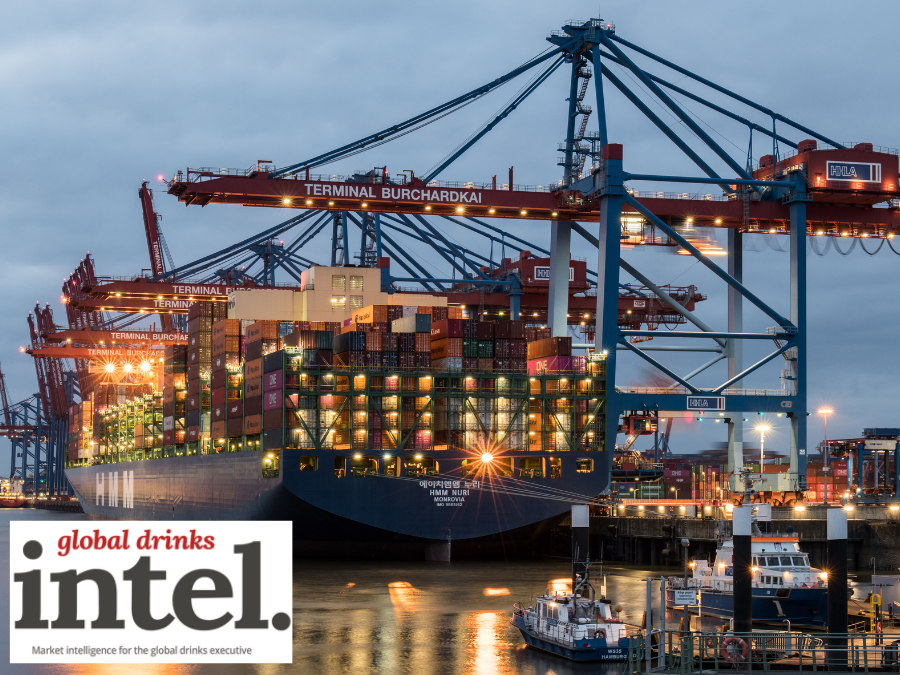
Beyond the regulatory hurdles of specific trade corridors, the physical movement of goods remains a major point of friction. The ongoing conflict in the Middle East, which has severely disrupted shipping lanes through the Strait of Hormuz and surrounding maritime corridors, has introduced a new layer of instability for global spirits exporters. The necessity of rerouting vessels to avoid volatile zones has resulted in extended transit times and increased fuel consumption. For bulk shipping operators, the impact has been binary: while some firms have faced surging logistics costs that threaten thin profit margins, others have found that the agility of the bulk model allows for more flexible adjustments compared to the rigid timelines of finished-goods logistics.
Despite the immediate pressure on costs, industry leaders remain focused on the long-term viability of their supply chains. The conversation within the boardroom has shifted from merely seeking the cheapest freight rates to prioritizing “liquidity resilience”—a strategy that emphasizes the importance of longevity, trust, and, above all, liquid quality. Shipping spirits in bulk requires specialized stainless-steel ISO tanks that must meet rigorous sanitary standards to prevent tainting or degradation. As demand for premiumization grows in developing markets, the margin for error is shrinking. Companies that prioritize short-term cost savings by skimping on tank quality or logistics oversight are finding that the brand damage associated with poor quality control outweighs any logistical savings.
Trust, therefore, has become the industry’s most valuable commodity. As spirits brands scale their operations in Africa and Latin America—regions where local market knowledge is essential—the partnerships between distillers and specialized logistics providers are deepening. Operators are increasingly looking for long-term alliances that can withstand geopolitical shocks and ensure that the integrity of the spirit remains uncompromised from the distillery in Scotland or elsewhere to the bottling plant in a target market.
As the industry looks toward the next fiscal year, the narrative is one of managed risk. While geopolitical tensions and complex trade barriers present tangible threats to the bottom line, the strategic move toward bulk shipping remains the most effective way to capture market share in high-growth regions. The companies best positioned for success will be those that can successfully balance the financial volatility of global shipping with an uncompromising commitment to the standards that underpin the premium spirits category. Success will not be measured by the speed of transport, but by the reliability of the supply chain in an increasingly unpredictable world.
Disclaimer: This content is auto-generated for informational purposes only.
Source: Read Original News