








The Strategic Architecture of Fairfax Financial in India
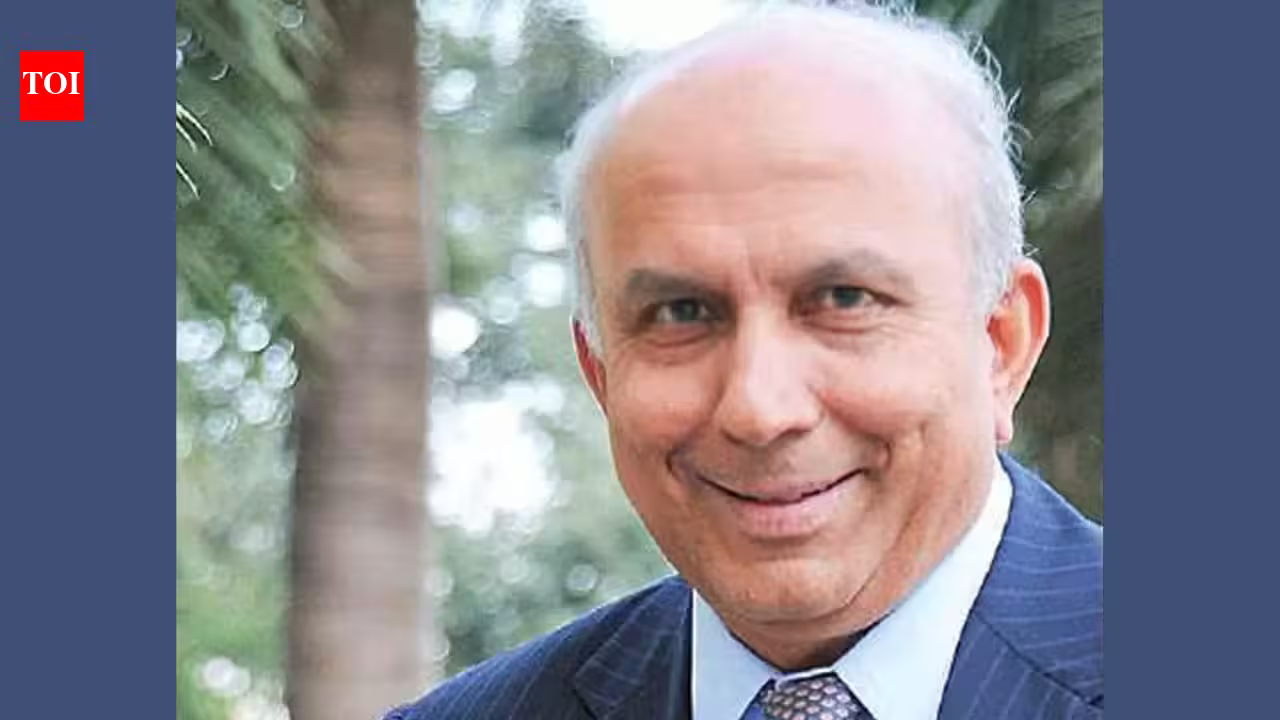
Prem Watsa, the Hyderabad-born chairman of Fairfax Financial Holdings, stands as a titan in the global investment landscape. Managing assets exceeding $100 billion, Watsa has cultivated a reputation as a patient, long-term investor, often drawing comparisons to Warren Buffett. His firm, Fairfax Financial, which emerged from the acquisition and rebranding of a Canadian insurance entity in 1985, operates on the foundational principle of “fair and friendly acquisitions.” As Watsa turns his focus toward the complex transition of IDBI Bank, his strategic moves in the Indian market reflect a profound conviction in the nation’s long-term economic trajectory.
The establishment of Fairfax India in 2014 was a pivotal moment in the firm’s international expansion. By creating a dedicated vehicle for Indian investments, Watsa signaled a long-term commitment to the region. His investment philosophy—value-based and anchored in deep structural growth—aligns perfectly with India’s current development phase. While many global investors treat India as a tactical destination for short-term liquidity, Watsa’s approach is fundamentally different. He views India as a landscape of immense opportunity, driven by systemic shifts in consumption, urbanization, and financial inclusion.
Deepening the Financial Services Footprint
The financial services sector, encompassing banking, financial services, and insurance (BFSI), sits at the core of Fairfax India’s portfolio. With nearly 30 percent of his investments already concentrated in this sector, the decision to acquire a 60.7 percent stake in IDBI Bank for approximately $5.6 billion represents a significant escalation of his influence. This move is not merely an entry into a new entity; it is a declaration of confidence in the formalization of the Indian economy.
Watsa recognizes that the penetration of credit and banking services in India remains below global averages, despite the progress made by the national push for financial inclusion. By acquiring a majority stake in IDBI Bank—an institution with a storied past as a development financial institution—Fairfax is positioned to influence the transformation of a legacy lender into a modern, tech-enabled bank. This acquisition is consistent with Watsa’s historical focus on acquiring assets that possess intrinsic long-term value but require strategic oversight and capital discipline to unlock their full potential.
Navigating Regulatory Landscapes and Portfolio Synergy
The transition of IDBI Bank poses distinct regulatory challenges, primarily regarding the Reserve Bank of India’s (RBI) stringent ownership and cross-holding norms. As a significant shareholder in multiple financial institutions, including Catholic Syrian Bank (CSB), IIFL Finance, IIFL Capital, and 5paisa, Watsa must now navigate a complex landscape of compliance. The RBI’s guidelines on ownership concentration in banking institutions require that entities maintain clear separation and governance standards, ensuring that large shareholders do not create systemic risks through interconnected interests.
This regulatory environment necessitates a sophisticated rejigging of the Fairfax India portfolio. Integrating a major bank while managing stakes in smaller financial services players requires careful orchestration. Watsa’s team must demonstrate to regulators that their multi-stakeholder approach does not compromise the independence or risk-management integrity of any individual entity. For investors and market observers, this period of transition will be a litmus test for Fairfax’s ability to manage its portfolio in accordance with the evolving expectations of the Indian central bank, which has become increasingly vigilant about the concentration of power in the financial sector.
Beyond Finance: Infrastructure as a Growth Engine
While the BFSI sector currently dominates the Fairfax narrative, the firm’s investments outside of finance highlight a broader, more diversified vision for India. The most prominent example is Bangalore International Airport. Infrastructure, particularly transport and connectivity, is viewed by Fairfax as a critical multiplier for GDP growth. By backing a flagship airport project, Watsa is capturing the tailwinds of India’s urbanization and the surging demand for air travel.
This focus on hard assets underscores the inherent logic in the Fairfax investment thesis: invest in the plumbing of the economy. Whether it is a bank that provides the credit necessary for industrial and personal growth, or an airport that serves as a gateway for business and tourism, Fairfax targets entities that benefit directly from the macroeconomic expansion of the country. This dual-track strategy—capitalizing on the services sector and infrastructure—provides a balanced exposure to the two primary engines driving the Indian growth story.
Lessons in Value Investing and Long-Termism
Prem Watsa’s career is a study in consistency. From his early days at Confederation Life to the founding of Hamblin Watsa Investment Counsel, his methodology has remained anchored in the principles of value investing. He looks for undervalued assets, performs rigorous due diligence, and maintains a time horizon that spans decades rather than quarters. In an Indian market that is frequently susceptible to short-term sentiment shifts and volatility, Watsa’s presence provides a stabilizing influence.
The Indian business context is often defined by rapid changes in government policy, digitalization, and consumer behavior. Success in this market requires a combination of patience and a willingness to partner with local management to drive operational excellence. Fairfax has historically succeeded by backing strong management teams and allowing them the autonomy to execute on long-term goals. As he moves forward with the IDBI Bank investment, his ability to retain this long-term perspective, while meeting the short-term exigencies of a banking turnaround, will be critical.
The Future Outlook for Fairfax India
As Watsa continues to scale his presence in India, the market is watching closely to see how the IDBI Bank project unfolds. Success will likely require a blend of capital injection, technological modernization, and a cultural shift within the bank to align it with contemporary performance standards. If achieved, this project could serve as a model for how foreign capital can successfully rejuvenate legacy institutional assets in India.
Ultimately, Fairfax India’s trajectory is a reflection of the firm’s belief in the Indian economic cycle. Despite the complexity of the regulatory environment and the inherent challenges of the banking sector, Watsa’s investment decisions suggest a conviction that the structural growth of the Indian economy is durable. By continuing to consolidate his footprint in both the financial and infrastructure sectors, Watsa is securing a foundational position in an economy that is steadily maturing into a global powerhouse. For other institutional investors, the Fairfax play is a high-conviction signal that despite the hurdles of bureaucracy and regulation, India’s long-term promise remains a compelling investment mandate for those with the patience to wait for the returns to compound.
Disclaimer: This content is auto-generated for informational purposes only.
Source: Read Original News