









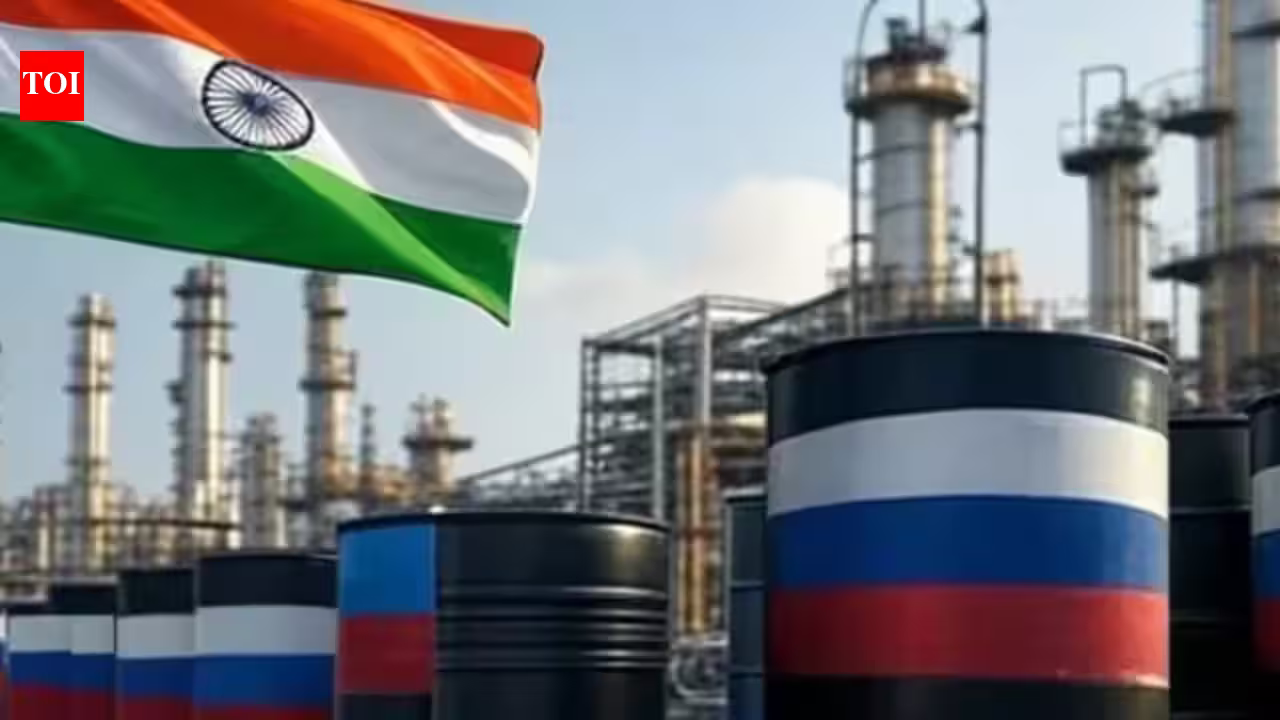
The Dynamics of India’s Russian Crude Procurement
India’s energy landscape has undergone a significant transformation since 2022, characterized by a pragmatic recalibration of its crude oil sourcing strategy. As of September, India continues to hold the position of the primary global destination for Russian crude, despite a 29 percent decline in import volumes from their peak in July. This adjustment in procurement levels, down to approximately 1.82 million barrels per day (bpd) from the 2.6 million bpd recorded in June, signals a shift in market conditions rather than a fundamental change in geopolitical alignment.
For Indian refineries, the economic incentive to source discounted Russian crude remains strong, providing a buffer against international market volatility. However, the current moderation in imports highlights the multifaceted challenges facing the energy sector, including supply-side constraints and intensifying competition from regional peers. The decline in Indian intake is not an isolated phenomenon; it is a byproduct of global refinery demand, specifically the increased appetite from Chinese refiners who have entered the market more aggressively. This influx of demand from China, coupled with restricted access to alternative sources like Iranian oil, has tightened the availability of Russian barrels, influencing price premiums and shipment schedules for Indian state-owned and private refiners.
Geopolitics and the Pressure of Global Sanctions
The regulatory framework governing international energy trade has become increasingly complex for New Delhi. With the introduction of the Lindsey O. Graham Sanctioning Russia and Iran Act of 2026, the potential for punitive tariffs of up to 100 percent on countries importing Russian oil has added a layer of strategic risk to India’s purchasing decisions. While the legislation grants the US President significant discretion in enforcement, the mere existence of such a mechanism necessitates a cautious approach for Indian energy importers.
Despite the rhetoric regarding global sanctions, the real-world application of these measures often clashes with the domestic political and economic requirements of the countries imposing them. The recent decision by the US administration to facilitate the purchase of Russian diesel to stabilize domestic fuel prices serves as a notable case study in the dual-track reality of global energy policy. By easing sanctions to permit the inflow of 300,000 tonnes of Russian diesel, Washington acknowledged the necessity of Russian energy to manage inflationary pressures. This development reinforces the view among Indian policymakers that energy security often dictates foreign policy, rather than the reverse, allowing India to maintain its reliance on Russian imports while navigating the intricacies of international pressure.
Market Competition and Supply Chain Constraints
The internal mechanics of the global oil market suggest that India’s reduction in Russian crude imports is heavily dictated by supply availability. The energy sector is currently witnessing a realignment of trade flows as Chinese refiners adjust their import portfolios. Because Chinese refiners have faced hurdles in securing crude from other traditional sources, their pivot toward Russian suppliers has created a bidding environment that limits the volume of Russian output available for Indian firms.
For India, this implies that the days of sourcing seemingly unlimited quantities of Russian crude at deeply discounted rates may be stabilizing. The competition is not merely price-based; it is logistical. The availability of tankers, insurance coverage for vessels transporting sanctioned cargo, and the efficiency of Russian export terminals all serve as bottlenecks. As Kpler data indicates, imports for October are expected to remain steady between 1.8 and 1.9 million bpd, suggesting that the current levels represent a new, more balanced equilibrium. This stability is critical for Indian refineries, which have invested heavily in upgrading their facilities to process heavier, high-sulfur crude, a characteristic often found in the grades exported by Russia.
Diversification: The Re-emergence of Venezuelan Crude
Recognizing the risks of over-reliance on a single supplier, India has begun to cautiously diversify its import basket. One of the most significant developments in the current fiscal year is the return of Venezuelan crude to the Indian market. After a period of near-total absence due to international restrictions, Venezuela has successfully resumed shipments to India, recording volumes of approximately 257,000 bpd in September.
This development is strategically vital for India. By reintegrating Venezuelan supply, Indian refiners gain a degree of flexibility that mitigates the potential impact of future supply disruptions from Russia or the Middle East. Venezuela’s heavy-grade crude is well-suited for the complex refineries located along India’s western coast. While the US remains the largest recipient of Venezuelan exports, the fact that India has successfully established a consistent trade route signifies a maturing of India’s energy procurement capabilities. The re-entry of Venezuelan oil acts as a strategic hedge, ensuring that India’s energy security is not beholden to the volatility of any singular regional conflict or sanctions regime.
The Future Outlook for India’s Energy Security
Looking ahead, India’s energy policy will continue to walk a fine line between maintaining affordable domestic energy prices and navigating a volatile global diplomatic environment. The structural shift toward Russian energy has provided India with a period of relative cost stability, which has been instrumental in supporting industrial growth and curbing retail fuel inflation. However, the future will likely require a transition from pure volume-based procurement to a more sophisticated mix of long-term government-to-government agreements and spot-market flexibility.
The role of India as a critical global energy hub is also evolving. As the nation increases its refining capacity, its influence on global trade routes grows. The ongoing investment in nuclear energy, gas pipelines, and renewable infrastructure suggests that while crude oil remains the lifeblood of the economy today, the diversification of the energy mix is the ultimate long-term goal. For the present, the stability of imports from Russia, balanced against the revival of ties with suppliers like Venezuela, demonstrates a resilient approach to national interests. As long as India continues to play a central role in the global consumption of fossil fuels, its ability to manage these procurement dynamics will remain a key pillar of its economic performance and its standing in the global market.
Disclaimer: This content is auto-generated for informational purposes only.
Source: Read Original News