








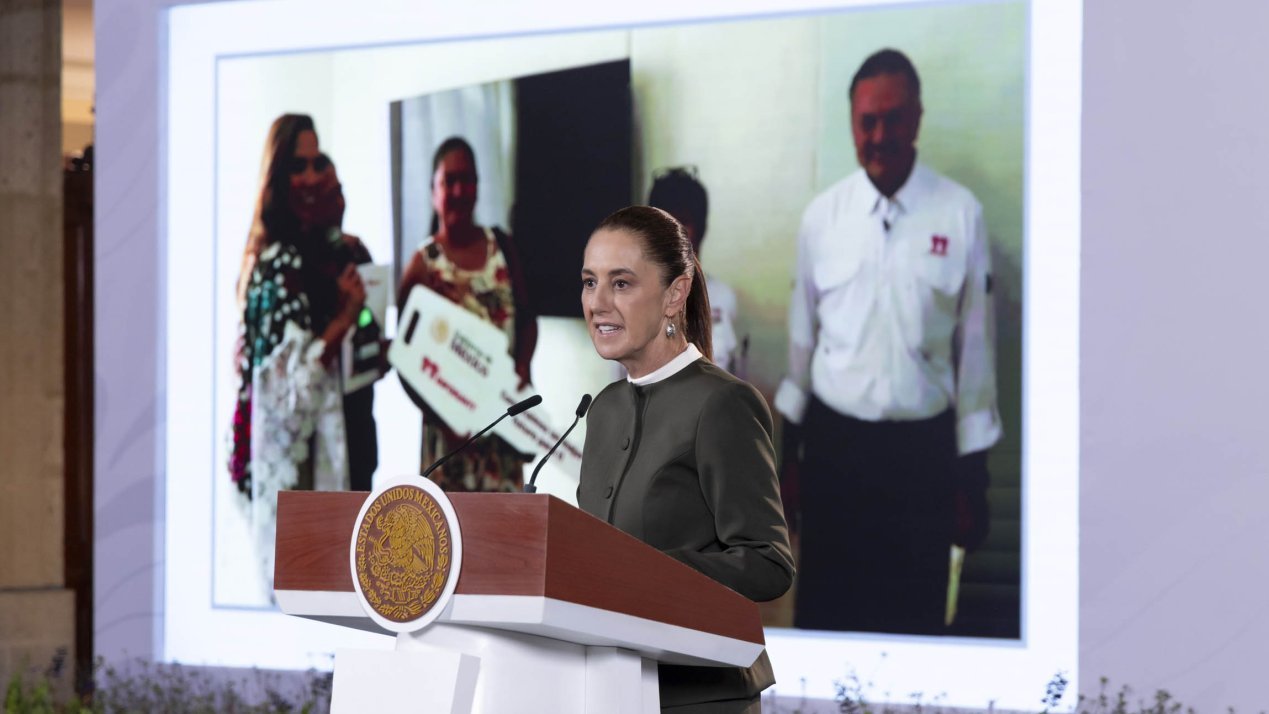
In a significant move to reshape the digital landscape for minors, the Mexican federal government has issued a presidential decree mandating strict new safety protocols for major technology companies. President Claudia Sheinbaum has given industry giants—including Google, Meta, TikTok, Microsoft, Apple, X, and Huawei—a one-month deadline to overhaul their platforms to better protect children and teenagers from online harms.
The decree comes in the wake of rising concerns regarding school violence and the influence of social media on youth. The government’s initiative aims to curb exposure to violence, cyberbullying, sexual abuse, and self-harm content.
New Compliance Standards for Big Tech
Under the new mandate, platforms operating in Mexico must implement comprehensive safeguards. These include the ability to identify and purge harmful content, the classification of material based on age-appropriateness, and the integration of robust age-verification mechanisms. Furthermore, companies are expected to provide specialized parental supervision tools and establish clear channels for reporting content that puts minors at risk.
While the current decree focuses on administrative requirements, President Sheinbaum has issued a clear warning: if platforms fail to align with these safety standards within the 30-day window, the government is prepared to draft and pass legislation that would impose formal sanctions. Officials have already engaged in preliminary discussions with tech executives to outline expectations, signaling a shift toward more aggressive oversight of digital ecosystems.
Sembrando Vida Program to Expand Under New Administration
Parallel to its tech initiatives, the administration confirmed the continuation of *Sembrando Vida* (Sowing Life), a cornerstone social and environmental program. The policy, which supports rural households through agricultural production and reforestation, will remain a priority throughout President Sheinbaum’s six-year term.
Minister of Agriculture and Rural Development, Columba López, reported that the initiative currently supports approximately 414,000 farmers across 24 states. Building on the previous administration’s success, which saw 1 billion trees planted, the government has set an ambitious new target of 1.5 billion trees for the coming years. By merging social welfare with sustainable land management, the administration aims to bolster rural incomes while restoring ecological balance to productive landscapes.
Addressing Public Health and Human Rights
The administration also faced pressure regarding domestic labor and civil rights issues. Following a mid-October demonstration by employees of the Mexican Social Security Institute (IMSS), President Sheinbaum directed IMSS Director General Zoé Robledo to formulate an immediate action plan to address staff grievances regarding working conditions. The president also acknowledged ongoing challenges with medication supply chains, stating that efforts are underway to resolve shortages and optimize distribution.
Finally, the government has called for a formal investigation into allegations of police misconduct during an October 11 protest in Guadalajara. Demonstrators, who were protesting for better access to clean water, reported excessive use of force by law enforcement, including the use of tear gas, water cannons, and claims of torture while in custody.
President Sheinbaum has requested that the National Human Rights Commission (CNDH) lead an inquiry into the events. While Jalisco Governor Pablo Lemus has already conceded that errors and unjust detentions occurred, the federal government indicated that it may involve the Attorney General’s Office (FGR) if the findings reveal systemic human rights abuses. This move underscores the administration’s intent to hold state-level security institutions accountable for their treatment of citizens.
Disclaimer: This content is auto-generated for informational purposes only.
Source: Read Original News