







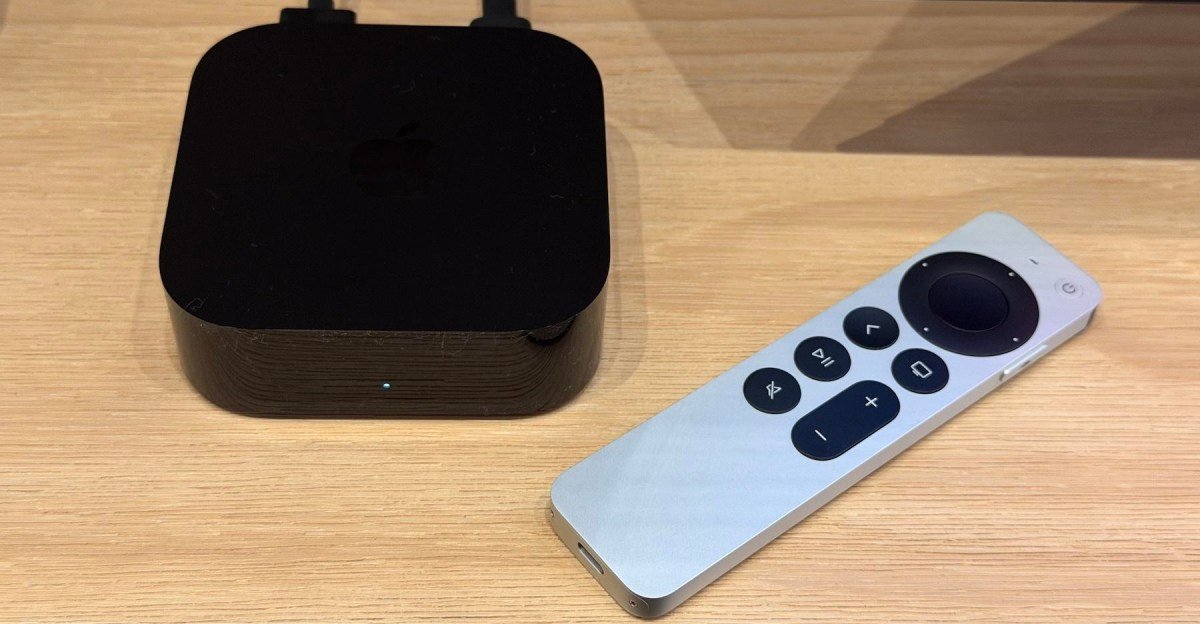
The fourth-generation Apple TV 4K has officially arrived, marking the first update to the company’s premier streaming hardware in four years. While the device introduces several hardware refinements and software integrations designed to bolster the Apple ecosystem, it also arrives with a substantial price hike that positions it as an outlier in an increasingly competitive market. Priced at $300, the new model raises questions about its value proposition for dedicated home theater enthusiasts compared to more affordable streaming competitors.
Refined Hardware and Processing Capabilities
The core of the fourth-generation Apple TV 4K is an updated internal processor, providing a measurable boost in performance. While previous iterations already offered fluid navigation, the increased power ensures faster app loading and improved responsiveness across the interface. Notably, Apple has integrated a dedicated AV1 decoder. AV1 is a high-efficiency video codec that provides superior compression for 4K streaming, allowing platforms like Netflix to deliver higher-quality visuals with less bandwidth consumption. This addition is a significant benefit for users with high-speed internet and displays capable of handling advanced color and detail.
The device also addresses a common pain point for users: the lost remote. With built-in support for Apple’s Find My network, tracking down the remote within a home environment becomes far more efficient. Additionally, the inclusion of far-field microphones allows for direct voice interaction with Siri, provided the streaming box is placed in a location where the microphones have an unobstructed path to the user.
Ecosystem Integration and Audio Features
Apple is doubling down on its “walled garden” approach by expanding the device’s capabilities within the home audio sector. The new Apple TV 4K allows users to configure a surround sound system using HomePod 2 and HomePod Mini 2 speakers in matched pairs. By wirelessly linking these units, the Apple TV creates a unified soundstage, intended to simulate a traditional home theater configuration.
For users deeply invested in the Apple ecosystem who want to avoid the complexities of wired speaker setups or bulky AV receivers, this feature provides a streamlined path toward immersive audio. However, this functionality is primarily targeted at consumers who are starting from scratch. Those who have already invested in traditional component-based audio systems, such as dedicated Atmos setups with high-fidelity wired speakers and external amplification, will find little utility in this specific update, as it does not integrate with professional-grade audio hardware.
The Notable Omissions
Despite the hardware updates, the fourth-generation Apple TV 4K misses several features that power users and home theater hobbyists have requested for years. The most glaring omission remains the lack of true audio passthrough. In a standard high-end theater setup, an AV receiver acts as the central hub, decoding raw audio streams to ensure the highest possible fidelity. Currently, the Apple TV forces its own processing, which can occasionally lead to playback discrepancies or audio synchronization challenges.
Furthermore, the hardware remains capped at 60fps output. While this is sufficient for the vast majority of film and television content—which can be output at 24fps via native pulldown—it limits the device’s potential as a gaming machine. With the rise of high-performance game streaming services like Moonlight, which can push frame rates beyond 60fps, the decision to stick with a 60Hz output limit feels like a missed opportunity for Apple to establish the device as a serious console-alternative.
Pricing and Market Positioning
The most controversial aspect of this release is the pricing structure. Apple has discontinued its more accessible 64GB, Wi-Fi-only model, leaving the 128GB Ethernet-equipped version as the sole entry point. At $300, the Apple TV 4K costs roughly triple the amount of many high-performing streaming sticks and boxes currently available from competitors like Google, Amazon, and Roku.
This price point pushes the device into a tier where consumers expect professional-grade features—such as HDMI input/output for advanced signal routing or dedicated digital optical ports. Since these features are absent, the device sits in an uncomfortable position. It is technically sophisticated, but it struggles to justify such a high barrier to entry when compared to hardware that delivers nearly identical streaming functionality at a fraction of the cost.
The Verdict for Home Theater Enthusiasts
Ultimately, the fourth-generation Apple TV 4K is an iterative, rather than revolutionary, update. The inclusion of an AV1 decoder and improved processing speed will satisfy casual users looking for a snappy, reliable interface, and the Find My integration is a welcome quality-of-life improvement. For the dedicated home theater crowd, however, the device remains a complicated recommendation.
Those who prioritize privacy and the simplicity of the Apple ecosystem may still find value here, especially if they plan to utilize the HomePod integration. Yet, for users with complex AV receivers and high-end speaker arrays, the $300 cost is difficult to reconcile without the addition of professional audio passthrough or higher refresh rate support. While the device continues to excel as a stable, user-friendly streaming platform, it now faces the challenge of proving that its premium price translates to an equally premium performance experience for all types of setups.
Disclaimer: This content is auto-generated for informational purposes only.
Source: Read Original News