









The remainder of 2026 is shaping up to be an unusually dense period for Apple, with a calculated, four-week rollout strategy that keeps new hardware consistently arriving on store shelves. While September traditionally anchors the company’s annual cycle, the upcoming weeks will see a steady influx of computing, home, and mobile devices that round out the year’s hardware portfolio.
The iPhone Duo and the Start of a Four-Week Launch Cycle
The cycle begins with the highly anticipated iPhone Duo, slated for an October 23 release. This device arrives just weeks after the launch of the iPhone 18 Pro and Pro Max series, signaling a move to capture a distinct segment of the market. The iPhone Duo introduces a “renewable” display layer, a hardware innovation designed to increase the longevity of the screen and potentially simplify repairs. By segmenting the launch, Apple maintains consumer focus on different tiers of its mobile offerings, ensuring that the marketing for the iPhone Duo does not compete directly with the flagship Pro models released earlier in the season.
The November 6 Mac and iPad Mini Strategy
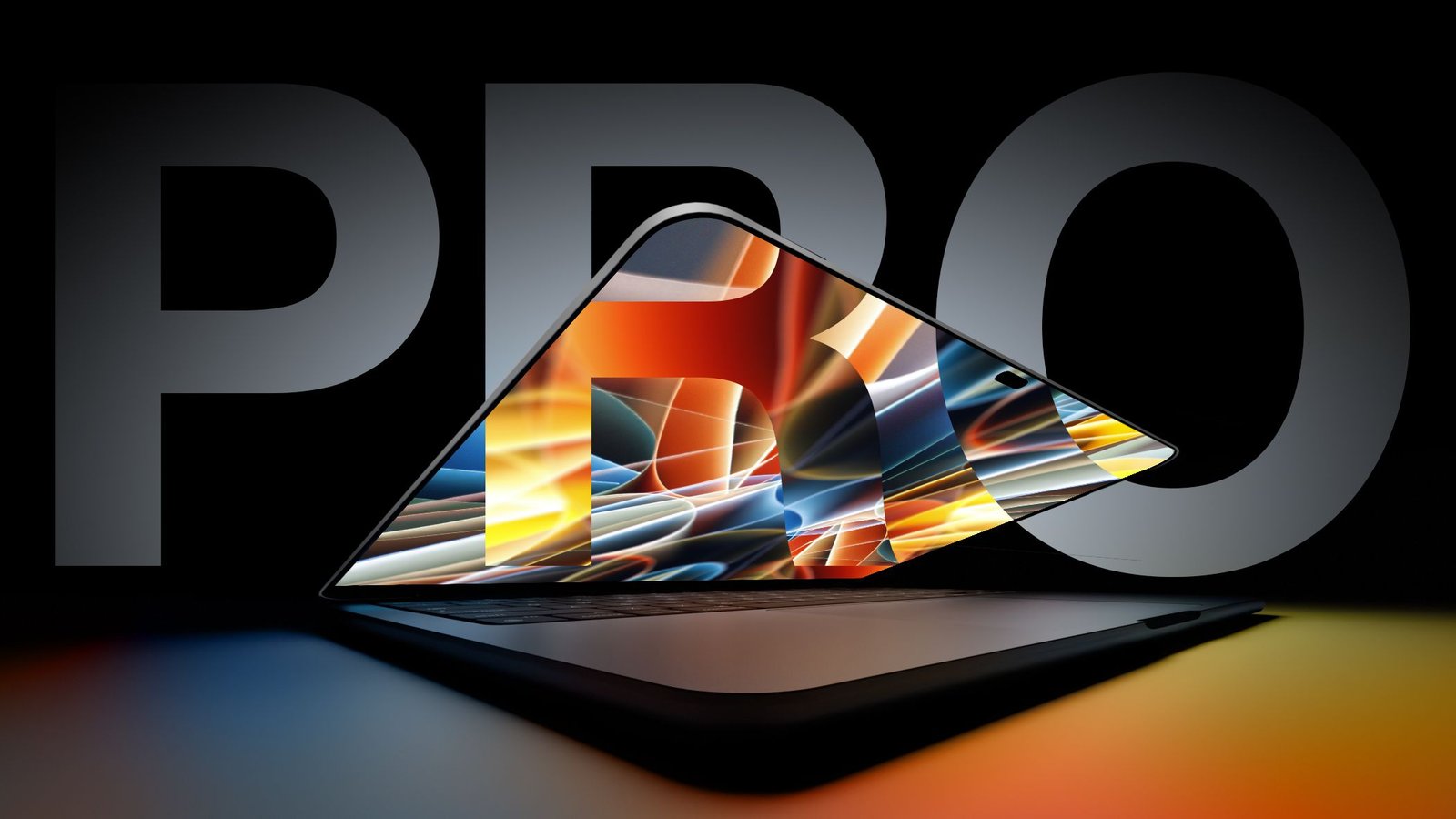
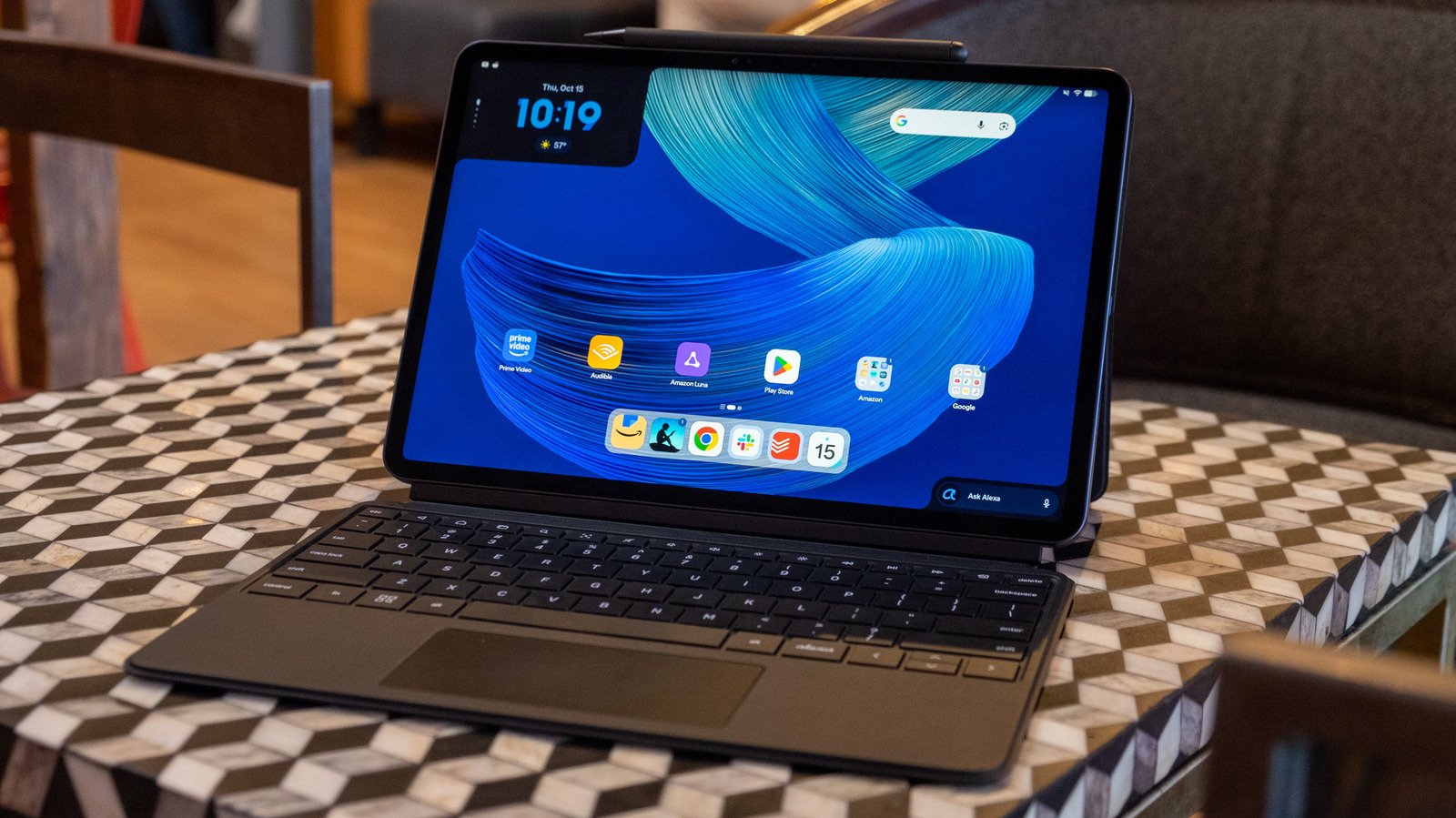
Perhaps the most significant development in this roadmap is the anticipated arrival of the touchscreen MacBook Pro, which is now expected to hit retail channels on November 6. According to industry reports and retail floor reset schedules, this date will also likely see the release of the M6-powered iMac and MacBook Pro models, alongside a refreshed iPad mini featuring an OLED display.
The integration of touchscreen technology into the MacBook Pro lineup represents a long-awaited shift in Apple’s interface philosophy. By pairing this with the architectural advancements of the M6 silicon, Apple is positioning these machines as high-performance devices for creative professionals who require both traditional precision and modern touch-input versatility. The addition of an OLED iPad mini further emphasizes the company’s commitment to transitioning its mobile and tablet displays to higher-contrast, power-efficient OLED technology.
Expanding the Home Ecosystem with HomePod and HomeView
Apple’s home segment is also seeing a substantial expansion. The HomePod mini 2 is set to debut on October 30, followed shortly by the introduction of the HomeView and a new Apple TV 4K on November 13. These devices are central to Apple’s strategy of deepening the connection between its service ecosystem and the living room. The HomeView, in particular, is expected to serve as a hub for the smart home, potentially offering new ways to interact with home security, media playback, and device automation through a centralized display interface.
The iterative update to the HomePod mini 2 suggests a focus on improved acoustics and potential upgrades to the onboard chip for faster, localized Siri processing. Coupled with the hardware refresh for the Apple TV 4K, these launches indicate an effort to ensure that the home entertainment experience remains fluid and integrated with the wider hardware ecosystem.
Engineering the Retail Rollout
The logistical precision required to launch these products across four consecutive weeks is a significant undertaking for Apple’s supply chain and retail operations. The reported “floor reset” scheduled for early November illustrates how the company manages its physical footprint. Retail employees are tasked with reconfiguring store layouts to highlight the new M6-equipped Macs and the touchscreen-enabled Pro laptops, ensuring that customers have hands-on access to the new hardware the moment it becomes available.
This sustained rollout keeps Apple in the public discourse throughout the holiday lead-up, ensuring that even after the primary September event, consumers are presented with new hardware categories. By separating the release dates, Apple effectively prevents inventory bottlenecks and allows for dedicated marketing pushes for each specific product category.
Looking Toward 2027
As these products move into the hands of consumers, the 2026 release schedule will essentially be locked. With the exception of potential firmware updates or minor service-related adjustments, no additional hardware launches are currently expected until the beginning of 2027. This cycle highlights a shift toward a more distributed product launch calendar, allowing Apple to maintain high engagement levels well into the final quarter of the year. For users and analysts alike, the next few weeks serve as the culmination of a year defined by fundamental shifts in both computing interface and display technology. Whether it is the move to touchscreen laptops or the expansion of the smart home hub category, the remaining 2026 releases set the technical foundation for the company’s trajectory in the coming year.
Disclaimer: This content is auto-generated for informational purposes only.
Source: Read Original News