









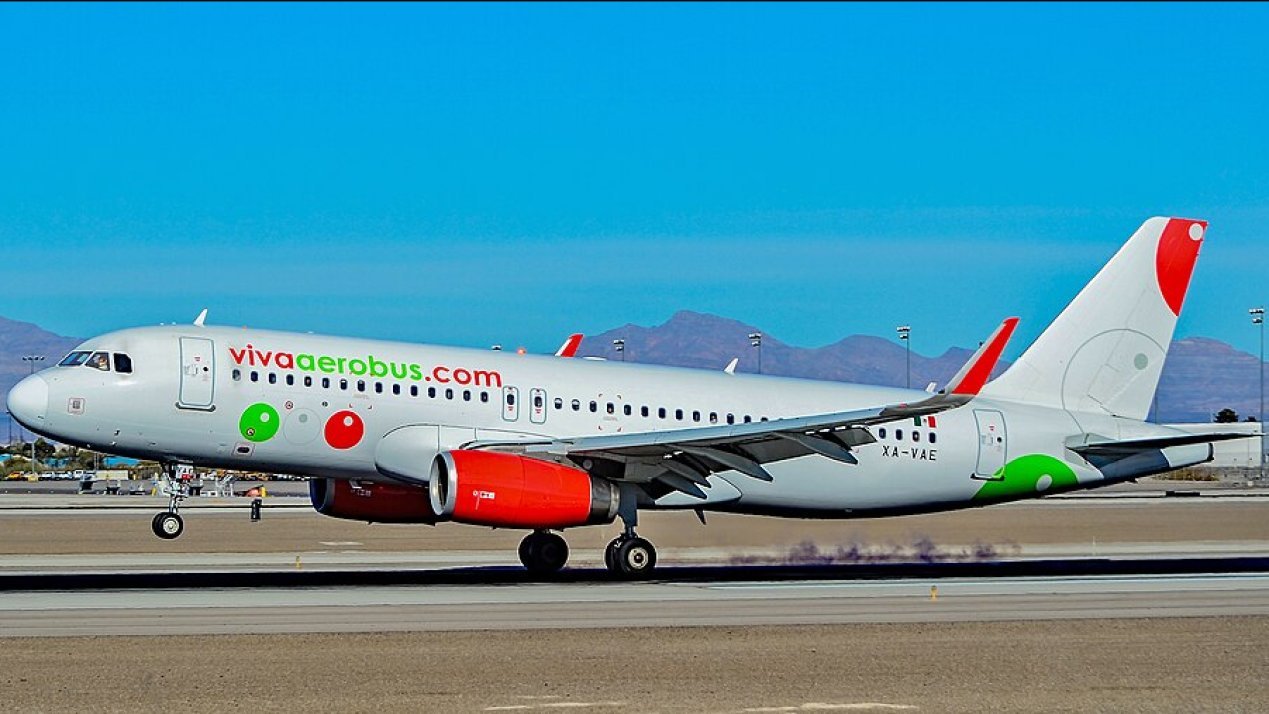
Viva Aerobus Transforms Digital Strategy Through Data-Driven Personalization
In the fiercely competitive Latin American aviation sector, where margins are razor-thin, Mexico’s Viva Aerobus has repositioned its digital infrastructure to serve as the company’s primary commercial engine. With 78.5% of its revenue now stemming from digital channels, the airline has moved beyond traditional branding to embrace a rigorous, behavioral-based personalization model, demonstrating how data-backed experimentation can drive significant ancillary growth.
Bridging the Gap Between Data and Decision-Making
For many enterprises, the primary barrier to effective personalization is an obsession with complex backend architecture before launching any consumer-facing initiative. Viva Aerobus bypassed this hurdle by shifting its focus from technical infrastructure to the passenger journey. Instead of pondering how to organize vast datasets, the commercial team analyzed specific touchpoints where travelers encountered friction or difficulty in making booking decisions.
Maite de Abrisqueta, Head of Customer Programs, CRM, and Email Marketing at Viva Aerobus, emphasizes that identity should not be a prerequisite for personalization. By leveraging behavioral signals—such as device interactions or abandonment patterns—the airline delivers relevant content to users long before they log into their profiles. When identity is eventually established, the system uses historical data to refine the experience, but the initial strategy prioritizes immediate, contextually relevant assistance.
Operationalizing Cross-Functional Collaboration
To turn abstract data into scalable digital experiences, Viva Aerobus dismantled internal silos by aligning product, commercial, data, and CRM teams. This cross-functional framework ensures that all departments operate under a unified language, linking team incentives to validated hypotheses.
This structural alignment was key to two major optimization successes:
- Targeted Ancillary Sales: By identifying high-intent travelers heading to Cancun, the airline used behavioral targeting to surface a non-intrusive recommendation for shared ground transportation. This strategy increased product conversion by 54% for unauthenticated users, proving that intent, rather than personal identity, is the most powerful tool for driving revenue.
- Post-Booking Fare Upgrades: In the “Manage My Booking” flow, the system began detecting when a passenger was attempting to add a standalone carry-on bag. By proactively presenting a comparison modal that offered a higher-tier fare—which included the bag and additional perks—the airline converted 6,822 previously uninterested users to higher-value fare tiers, a 6.82% conversion increase.
The AI-Driven Future of Retail Commerce
Looking ahead, Viva Aerobus is doubling down on its partnership with Mastercard’s Dynamic Yield to integrate AI-driven conversational agents and automated content generation into its ecosystem. The shift toward “agentic” commerce is aimed at creating a seamless, end-to-end journey where AI assists in everything from campaign creation to payment processing.
Gloria Crawley-Boevey, Vice President of Personalization for Latin America and the Caribbean at Mastercard, notes that AI shopping agents have already demonstrated the ability to reduce customer decision-making time from 15 minutes to eight minutes while boosting conversion rates by double digits. By adopting a culture of “failing fast” and continuous testing, Viva Aerobus is moving away from static, guesswork-based marketing.
For other enterprises, the takeaway is clear: the path to digital maturity begins with the data already at hand. By identifying the exact moment a customer’s need meets a business objective, companies can deliver the right solution at the precise moment of friction, transforming a standard purchase flow into a high-conversion, personalized experience.
Disclaimer: This content is auto-generated for informational purposes only.
Source: Read Original News