









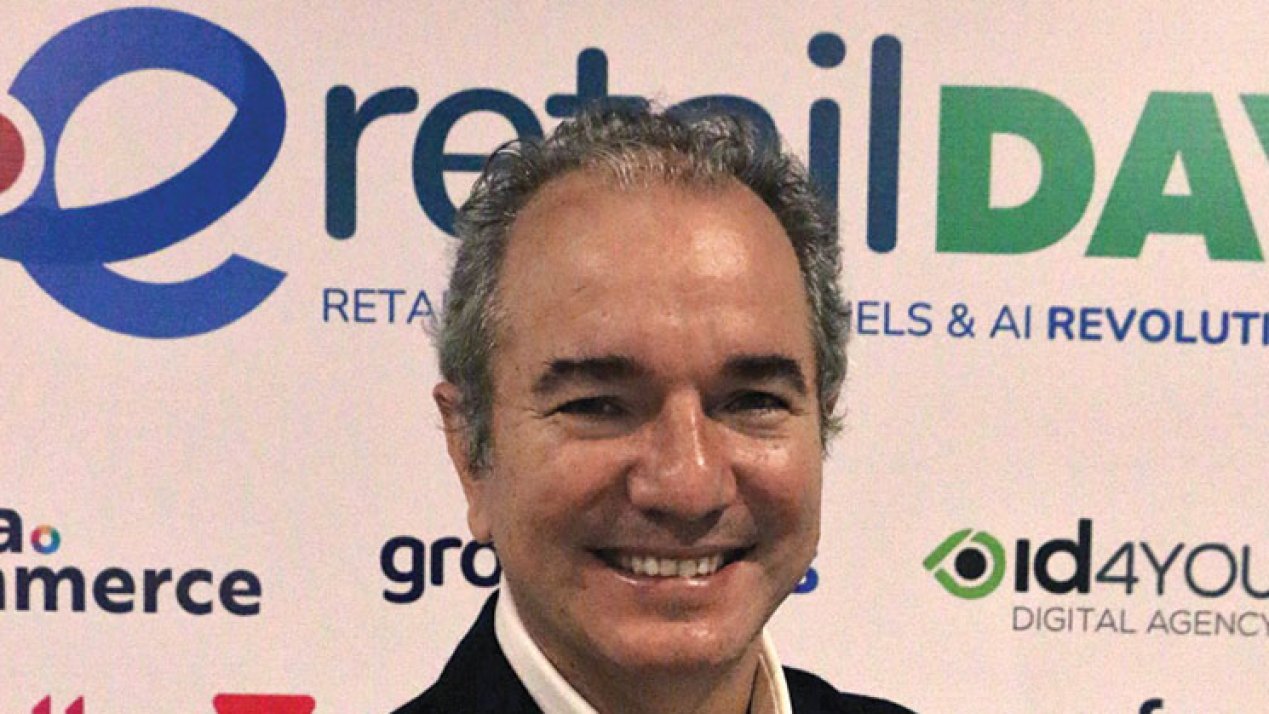
VTEX, the global cloud-based commerce powerhouse, is setting a new standard for Latin American retail by driving the transition from traditional e-commerce to “unified commerce.” As the region’s digital economy reaches double-digit penetration, the company is positioning itself as the critical infrastructure layer, or “backbone,” for brands seeking to bridge the gap between physical storefronts and digital consumer touchpoints.
With 27 years of market presence and a robust history as a publicly traded company on the New York Stock Exchange, VTEX is moving beyond simple online transactions. By partnering with retail giants like Grupo Elektra and Chedraui, the company is demonstrating that the future of successful retail lies in seamlessly orchestrated inventory, logistics, and customer data across every channel.
Harnessing AI to Transform Retail Operations
The core of VTEX’s current strategy involves the integration of agentic, predictive, and generative AI to solve complex backend hurdles. Rather than treating AI as a theoretical novelty, VTEX is deploying it as a practical “copilot” for human decision-makers. In the context of unified commerce, AI acts as an engine for hyper-personalization, allowing retailers to move away from broad demographic targeting toward individual, granular customer engagement.
This shift is particularly vital for companies with large physical footprints. A primary example is the successful digital transformation of Farmacias Similares, which leveraged VTEX’s advanced Order Management System (OMS) to integrate over 1,300 pharmacy locations. By creating a “single source of truth” for catalogs, pricing, and fulfillment, the platform enabled a frictionless experience where consumers can move effortlessly between mobile applications, WhatsApp orders, and in-store pickups.
Mexico as a Global Digital Growth Engine
Mexico has emerged as a high-performance landscape for digital commerce, currently rivaling Brazil in growth and ecosystem maturity. Categories such as fashion and electronics have already seen digital penetration rates exceeding 30%, signaling that the market is rapidly closing the gap with major economies in the European Union and the United States.
However, VTEX notes that the primary barrier for companies in this region is no longer a lack of technology, but the organizational challenge of moving from experimental pilots to full-scale, profitable production. Business leaders are now tasked with “deschooling” legacy workflows—moving away from outdated, siloed operations toward agile, data-driven structures that allow for automated, real-time inventory and logistics orchestration.
The Future of Agentic Commerce
Looking toward upcoming industry milestones like the eRetail Day Latam 2026, the focus has shifted toward the professionalization of human capital. Industry leaders must now learn to manage new digital interfaces where AI agents handle routine, low-risk operations. This evolution allows human talent to pivot toward higher-level strategic decisions, effectively multiplying operational speed and profitability.
For brands operating in both B2C and the increasingly complex B2B sector, the message is clear: unified commerce is no longer an optional differentiation strategy—it is a business necessity. As companies adopt agentic AI to predict and fulfill consumer needs before they are articulated, the distinction between “online” and “offline” will continue to dissolve. By treating digital platforms as a high-performance grid, Latin American retailers are preparing to scale their operations in a way that is both sustainable and capable of meeting the sophisticated demands of the modern, omnichannel consumer.
Disclaimer: This content is auto-generated for informational purposes only.
Source: Read Original News