







Global deforestation saw a rare moment of respite in 2025, but experts warn the improvement is fragile and unlikely to be sustained. According to the latest Forest Declaration Assessment, seven million hectares of forest—an area roughly the size of Ireland—were lost to clearing last year. While this represents a 15 percent decrease from 2024, environmental advocates emphasize that this progress is an outlier rather than the beginning of a long-term downward trajectory.
The world remains significantly off track to meet the ambitious pledge made at the 2021 UN climate talks to end global deforestation by 2030. “The 2025 figure is encouraging, but so far it’s the exception, not a new trajectory,” said Erin Matson, co-author of the study and an analyst at the advisory group Climate Focus.
The primary driver of the recent slowdown was a notable 33 percent reduction in forest loss across Latin America. Researchers credited this improvement largely to Brazil’s robust action plan against illegal clearing and more rigorous enforcement within the Amazon basin. However, this success remains tethered to political stability. With critical elections approaching across the region, including a high-stakes presidential runoff in Brazil on October 25 between incumbent President Luiz Inacio Lula da Silva and challenger Senator Flavio Bolsonaro, the future of these policies is uncertain. Similar concerns persist in Colombia and Peru, where recent shifts in government leadership have sparked anxiety regarding the durability of environmental protections.
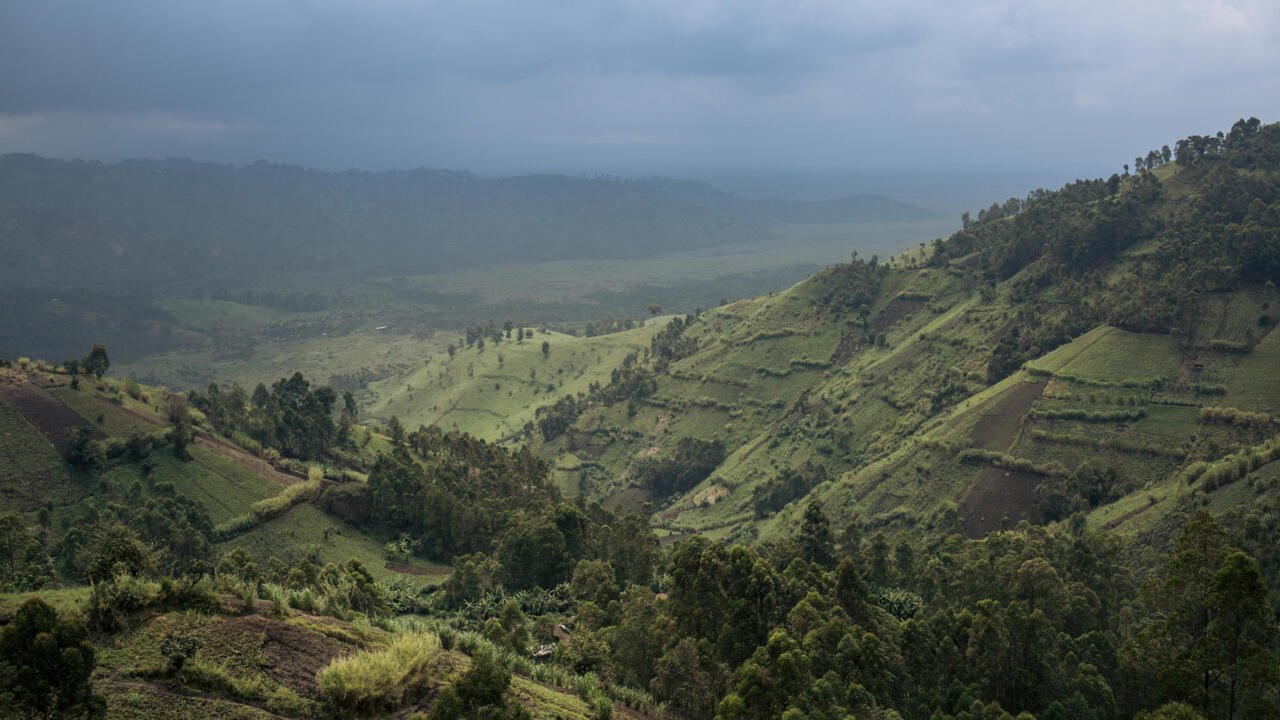
While Latin America showed progress, the situation in Central Africa has deteriorated. In 2025, the Congo Basin—the world’s second-largest tropical forest—lost 2.4 million hectares of canopy, a figure that nearly reached the level of the Amazon’s loss for the first time. Samuel Nguiffo, founder of the Centre for Environment and Development in Cameroon, described the ongoing destruction as a disaster. He noted that the region is being squeezed by a combination of rapid population growth, intensive logging, mining, and large-scale agro-industrial projects. Beyond the environmental damage, Nguiffo warned that the systematic degradation of these forests is fueling local conflicts by shrinking the land available for indigenous and rural communities.
Compounding these human-driven pressures is the looming threat of an exceptionally strong El Niño weather pattern. The warming phase of this natural climate cycle, which emerged in June, is currently developing into one of the most powerful on record. Historically, El Niño events have been catastrophic for global forests; the “super” El Niño of 2015-2016 triggered a massive spike in tree-cover loss due to prolonged droughts and subsequent uncontrolled wildfires.
Forecasters warn that the 2026-2027 cycle could create even more extreme conditions, particularly in tropical regions that are already struggling to recover from previous years of exploitation. The Forest Declaration Assessment indicates that as drought and fire risks intensify, the gains seen in 2025 will be difficult to replicate.
As the world heads into the next phase of the climate cycle, the combination of political volatility in South America and systemic land-use pressures in Africa suggests that the global fight against deforestation is far from won. Without a significant shift in political commitment and the capacity to manage natural resources sustainably, the modest progress of 2025 may be quickly eclipsed by the environmental volatility of the years ahead.
Disclaimer: This content is auto-generated for informational purposes only.
Source: Read Original News