





Microsoft’s gaming division finds itself at a critical junction. As the company continues to navigate a landscape dominated by the market presence of PlayStation and Nintendo, recent data suggests that internal leadership may be weighing a significant shift in strategy. A new survey distributed to members of the Xbox Insider Program has surfaced, detailing potential scenarios that could see Microsoft moving away from its current multiplatform approach in favor of a return to strict console exclusivity.
The Context of Current Multiplatform Challenges
Microsoft’s existing strategy of bringing first-party titles to rival platforms has garnered mixed results. While it expands the reach of their intellectual property, it creates a specific challenge for the Xbox ecosystem. By offering games on PlayStation, Microsoft effectively incentivizes consumers to remain within the competitor’s hardware environment. Furthermore, selling games on third-party consoles requires Microsoft to pay a 30% revenue share to the platform holder, which detracts from the financial gains of their internal software development.
Internal metrics suggest that users who own multiple devices may be choosing to play Xbox-published games on their PlayStation consoles, thereby reducing the frequency with which they utilize their Xbox hardware. This creates a cycle where the value proposition of owning an Xbox console diminishes, potentially undermining the long-term viability of the brand as a hardware entity.
Surveying the Future of Exclusivity
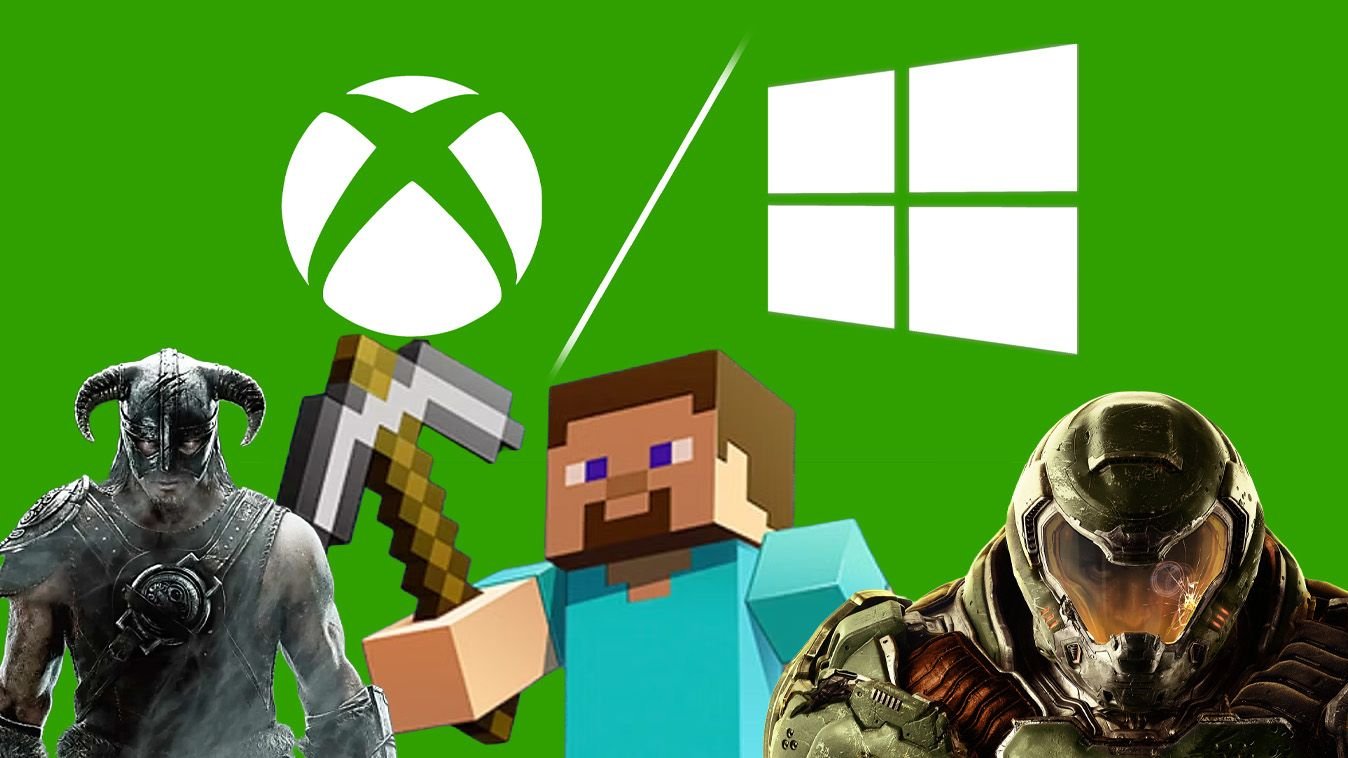
The survey, which has been verified as legitimate, presents users with various hypothetical scenarios regarding game distribution. These scenarios range from making specific, high-profile franchises console-exclusive to a complete, “nuclear” shift where all future titles—with the notable exception of Call of Duty—would be available exclusively on the Xbox platform and Windows PC.
The survey specifically probes user sentiment regarding major franchises, including Fallout, The Elder Scrolls, DOOM, and even Minecraft. Notably, the documentation clarifies that while existing purchases would remain intact for users on other platforms, those titles would stop receiving new content updates if the shift to exclusivity were implemented. This highlights a desire to understand how much leverage these franchises hold in compelling users to switch to or remain on the Xbox ecosystem.
The Risks of a Hardware-Centric Pivot
Transitioning back to a strict exclusivity model is not without significant risks. The global hardware market has faced substantial supply chain hurdles in recent years, leading to increased costs and reduced availability for consumers. If Microsoft were to suddenly restrict all major titles to their own hardware, they would need to ensure that their distribution networks and manufacturing capabilities can meet a sudden, high demand.
Historically, Microsoft has faced challenges with global hardware distribution. Forcing a move to exclusive software would require a robust hardware pipeline to capture users who might otherwise migrate to a competitor. Furthermore, there is the risk of alienating a substantial user base that has grown accustomed to cross-platform access. Sacrificing the revenue streams generated from other platforms—especially in an era where digital sales drive significant profit—is a decision that requires careful financial balancing.
The Broader Strategic Implications
Microsoft is fundamentally shifting into a hardware-forward company, bolstered by advancements in data centers and proprietary silicon, such as their Maia AI chips. This corporate direction suggests that they view hardware as an essential anchor for their ecosystem. If they are willing to invest heavily in specialized silicon for cloud and AI infrastructure, they are unlikely to abandon the Xbox console hardware, as it serves as a critical endpoint for their gaming ecosystem.
However, the current multiplatform strategy has the potential to cause brand erosion. There is evidence that moving established franchises to competing platforms may weaken the identity of the Xbox as a distinct premium product. The company’s survey indicates that leadership is attempting to quantify exactly how much “brand damage” is being done by cross-platform releases versus the potential gain of restricting access.
What Lies Ahead for Xbox
While surveys are exploratory tools and do not guarantee immediate policy changes, they provide a window into the dilemmas facing Microsoft. The company is currently calculating whether the reach gained by being a third-party publisher is worth the cost of weakened hardware sales and reduced brand loyalty.
Whether Microsoft decides to fully embrace exclusive content or continues to refine its current model, it is clear that they are actively looking for a way to maximize the value of their acquisitions and internal development. As the gaming industry evolves, the tension between widespread software distribution and proprietary hardware utility will remain a defining theme for the brand. For now, the future of the Xbox ecosystem hinges on whether the potential growth of an exclusive, dedicated base outweighs the immediate revenue benefits of a multiplatform approach.
Disclaimer: This content is auto-generated for informational purposes only.
Source: Read Original News