








NTSB Investigates Sauk County Plane Crash as Tech-Linked Registry Emerges
Authorities in Wisconsin are working to piece together the tragic events of Tuesday evening after a plane crashed in Sauk County, claiming the lives of all six individuals on board. While investigators have yet to release the names of the victims, the investigation has pivoted toward the origins of the aircraft, which is officially registered to a business entity in the western part of the state.
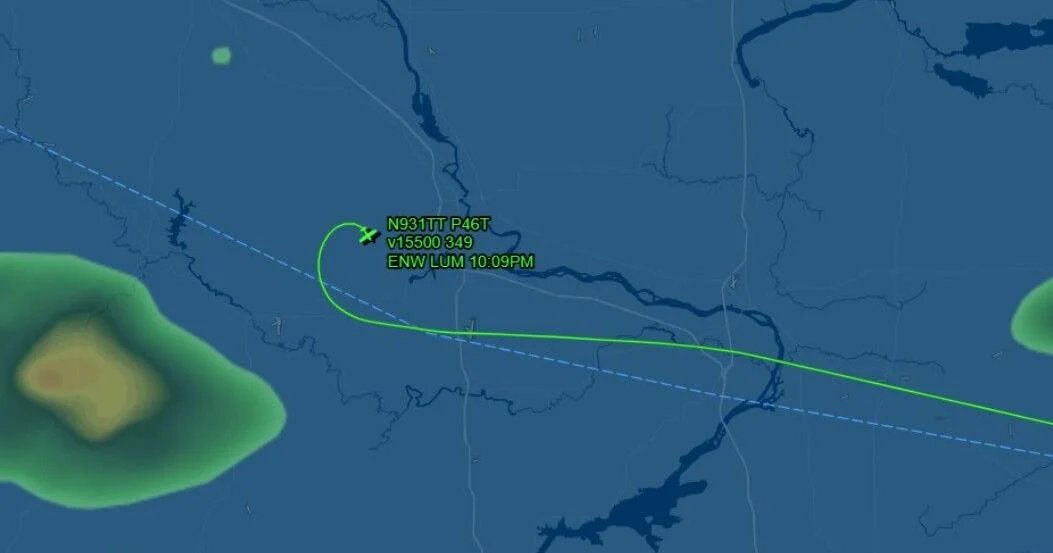
The National Transportation Safety Board (NTSB) issued a preliminary report on Wednesday, noting that radar data indicates the aircraft performed a descending right-hand turn immediately prior to the impact. This flight path corresponds with information captured by real-time aviation tracking platforms, which have become standard tools for both the public and researchers tracking global air traffic.
Data Transparency and the Role of Modern Tracking
In the wake of the incident, the role of flight-tracking technology has once again come to the forefront of the news cycle. Platforms like FlightAware—which provide real-time updates and historical flight path visualization—serve as essential resources for journalists and safety investigators. These digital tools rely on a complex network of satellite data and ground-based receivers to provide accurate insights, mirroring the kind of data-processing capabilities currently being revolutionized by advancements in artificial intelligence and cloud computing.
For local newsrooms, the ability to cross-reference NTSB data with publicly available FAA registries and digital corporate filings represents a shift toward data-driven journalism. By utilizing the FAA’s public aircraft database, investigators were able to link the tail number N931TT to a company identified as Compass Pro LLC. The integration of these disparate databases allows for a faster understanding of aviation incidents, though it also raises questions about the privacy and transparency of private business ownership in the aviation sector.
Corporate Ties and the Privacy Dilemma
Investigative efforts have led to a business based in Woodville, Wisconsin. Records accessed through the state’s Department of Financial Institutions indicate that Compass Pro LLC is linked to a private individual, though news outlets are currently exercising caution regarding the public identification of those involved until the families are notified and authorities finalize their identification processes.
The connection between private aviation and small businesses often presents a complex web of corporate structure. When these entities are scrutinized, it underscores the need for robust, searchable digital archives—technologies that companies like Google continue to refine through search indexing and data management tools. The ease of access to these records is a double-edged sword: it promotes government accountability and public safety, but also places immense pressure on families during moments of personal tragedy.
The Future of Aviation Safety Analytics
As the NTSB continues its wreckage recovery and technical analysis, the aviation industry remains focused on how AI and automated monitoring systems can prevent such disasters. Modern cockpit flight data recorders are increasingly being paired with machine learning algorithms capable of detecting anomalies before a crash occurs. These systems scan for sudden deviations in altitude or heading—much like the “descending right turn” noted by investigators in the Sauk County case—to provide real-time warnings to pilots.
While this incident remains under active investigation, it serves as a sobering reminder of the intersection between human travel and the technological systems that govern it. The tech industry, particularly firms focusing on autonomous navigation and advanced analytics, continues to advocate for better integration between these safety systems and air traffic control infrastructure. As the investigation progresses, authorities are expected to release further details on the flight’s final moments, potentially offering insights into whether technical failure or human error played a role in the tragedy.
For now, the community of Woodville and the surrounding areas remain in mourning as officials coordinate the formal identification process. The NTSB is expected to release a more comprehensive report in the coming weeks as investigators analyze the recovered flight data and airframe wreckage.
Disclaimer: This content is auto-generated for informational purposes only.
Source: Read Original News