







Himalayan Climate Crisis: Nepal Urges India and China to Overcome Border Rivalries
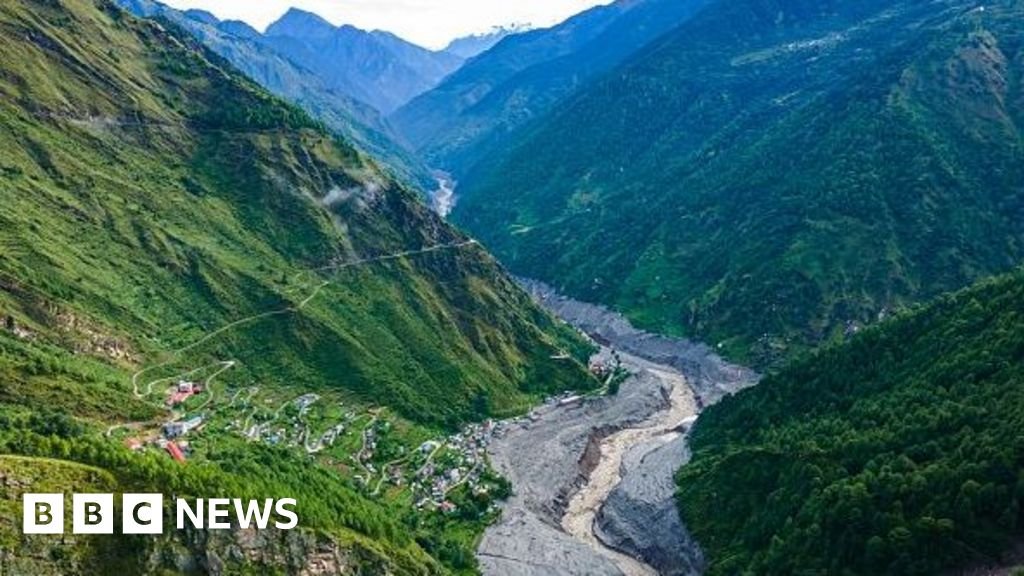
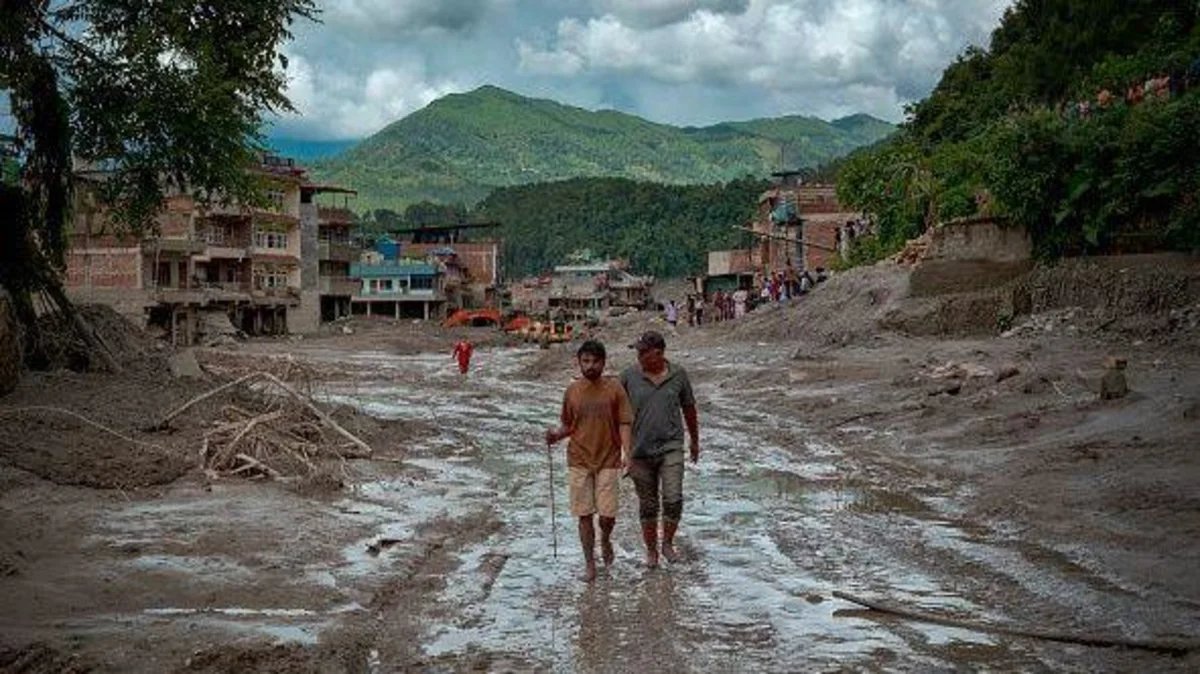
The Himalayan region, often referred to as the “Third Pole,” is facing an unprecedented environmental crisis that threatens to destabilize millions of lives. Following a summer of catastrophic debris floods in Nepal, the country’s Prime Minister, Balendra Shah, has issued a bold call at the United Nations General Assembly, urging regional giants India and China to set aside their entrenched geopolitical hostilities to combat a shared climate catastrophe.
Prime Minister Shah has proposed the establishment of a “Himalayan Climate Resilience Mechanism.” This platform would aim to facilitate the exchange of vital scientific data and coordinate cross-border emergency responses, transforming the volatile mountain range from a zone of geopolitical friction into a hub for international scientific and humanitarian cooperation.
A Fragile Landscape Under Siege
The urgency behind Nepal’s proposal is underscored by alarming environmental data. Studies from the International Centre for Integrated Mountain Development (ICIMOD) indicate that Himalayan glaciers are vanishing at an accelerating rate, with the pace of ice loss doubling since the turn of the millennium. Across the border on the Tibetan Plateau, glaciers have shrunk by nearly a quarter over the last sixty years.
This rapid melting has created a ticking time bomb in the form of thousands of unstable glacial lakes. When these lakes reach capacity, they can burst, triggering flash floods that ignore international borders. As these torrents surge through river valleys, they destroy critical infrastructure and livelihoods in Nepal, India, and Bhutan alike. Furthermore, researchers from the American Geophysical Union have warned that intensified monsoon cycles will likely lead to a significant spike in landslides across the high-altitude terrain in the coming decades.
The Shadow of Geopolitics
Despite the clear and present danger, cooperation remains elusive. India and China share a 3,500-kilometer disputed frontier—the Line of Actual Control (LAC)—which has been the site of intermittent military stand-offs, skirmishes, and deep-seated mistrust for decades.
Historically, attempts at environmental collaboration have yielded little. A 2009 initiative intended to foster joint research between Indian and Chinese scientific institutes effectively stalled after a single meeting. More recently, the collaborative spirit has suffered further; data-sharing agreements regarding the hydrological flows of the Brahmaputra and Sutlej rivers have largely withered. India reports that Beijing ceased providing essential flood-season data in 2023, citing technical justifications that analysts view with deep skepticism given the prevailing political climate.
Security vs. Survival
Security experts point to a fundamental dilemma: in the high-stakes environment of the Himalayas, data is rarely seen as purely scientific. Information regarding river flow levels, topographical changes, and remote sensor readings can be interpreted by national security establishments as sensitive military intelligence.
“What climate scientists might see as essential research data might look like strategic intelligence to the national security establishment,” notes Walter Ladwig of the Royal United Services Institute (RUSI). This “securitization” of environmental data remains the primary obstacle to a cohesive regional strategy.
A Path Forward?
Despite these hurdles, some observers see a faint glimmer of optimism in recent diplomatic efforts to thaw relations between New Delhi and Beijing. Experts suggest that rather than pursuing an immediate, wide-ranging treaty, the three nations could start with incremental, non-sensitive steps.
Dr. Uday Kala of IIT Mandi advocates for a pragmatic approach: beginning by identifying specific high-risk glacial lakes and establishing standardized, automated early-warning protocols that prioritize human safety over political posturing.
For Nepal, the objective is clear. As the state on the front lines of these disasters, it must convince its powerful neighbors that the environment does not recognize the Line of Actual Control. Whether India and China can prioritize regional survival over territorial disputes will determine the fate of the millions who call the Himalayas home.
Disclaimer: This content is auto-generated for informational purposes only.
Source: Read Original News