






Understanding the Firmware Update 3.79
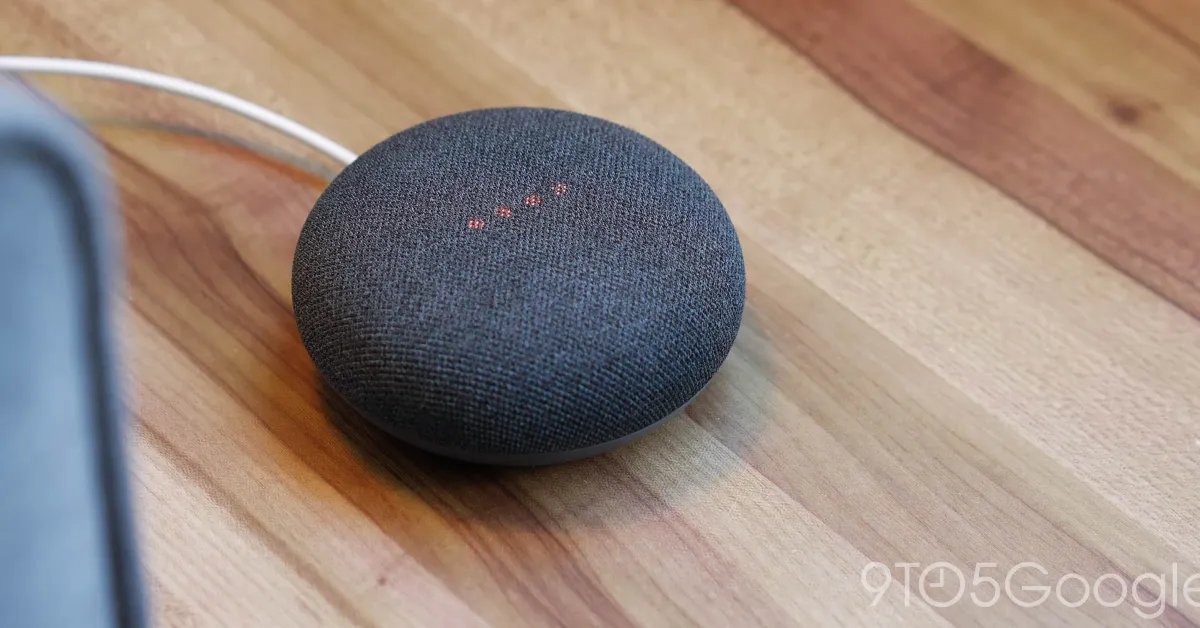
Google has initiated a significant firmware update, version 3.79.550760, specifically designed for its established line of smart speakers. This rollout currently targets the original Google Home (2016), the Home Mini (2017), the Nest Mini (2019), and the Nest Audio (2020). By pushing these updates through the company’s dedicated Preview Program, developers are actively seeking to refine the underlying software that governs device operation, connectivity, and interaction.
This update is not merely a collection of minor bug fixes; it represents a fundamental recalibration of how these devices process data and communicate within a local network. Users enrolled in the testing phase will receive these updates automatically during overnight windows, ensuring that the hardware remains optimized without disrupting daily schedules. The inclusion of legacy hardware in this update cycle demonstrates a commitment to maintaining device longevity, even as newer models enter the marketplace.
Key Improvements in Audio and Connectivity
One of the primary focal points of the 3.79 release is the enhancement of audio and media streaming protocols. For users who rely on these speakers for multi-room audio, music casting, or podcast playback, this update addresses previous limitations regarding volume consistency and streaming stability. By refining the audio buffer management, the update aims to reduce instances of audio dropouts or synchronization lags that have occasionally plagued distributed home audio systems.
Equally critical are the improvements made to network connectivity and Wi-Fi stability. A recurring challenge for many smart home ecosystems is the reliable connection of multiple devices to a single router. Firmware 3.79 introduces optimized handshake protocols between the speakers and Wi-Fi access points. This adjustment is expected to resolve setup hurdles and intermittent disconnections that often result in devices showing as “offline” in the Google Home application. By streamlining how these speakers handle IP addressing and signal strength, the update provides a more reliable foundation for the smart home environment.
The Integration of Gemini and Assistant Capabilities
The reference to “Google Assistant entry experience improvements” within the patch notes is particularly noteworthy given the industry shift toward generative artificial intelligence. While the term refers to the traditional voice interface, it is widely understood that these modifications are meant to prepare the hardware for more seamless integration with Gemini. This suggests that Google is optimizing the latency and interpretation protocols used when a user invokes a command.
By reducing the time it takes for the hardware to recognize a wake word and process a request, the update aims to make voice interaction feel more natural and responsive. These improvements likely involve more efficient on-device processing and optimized communication between the speaker and cloud-based models. As Google transitions toward more complex AI-driven queries, ensuring that the hardware can facilitate these requests without significant delay is vital for maintaining user satisfaction.
Advancements in Smart Home Orchestration
Beyond basic audio and assistant functionality, the 3.79 update provides substantive upgrades to smart home control experiences. Smart speakers function as the central nervous system for connected homes, managing everything from light switches and thermostats to security cameras. Enhancements in this area mean that commands directed at third-party devices should execute with higher precision and speed.
These optimizations are crucial for complex automation sequences. When a user triggers a “Good Night” routine, for instance, the speaker must communicate effectively with various API endpoints simultaneously. By refining the execution logic of these smart home commands, the firmware update minimizes the lag between the spoken word and the physical action of connected devices. This ensures that the smart home ecosystem remains cohesive and highly responsive, even as the number of devices in a user’s household grows.
Strategic Deployment and Future Rollouts
The current testing phase serves as a final validation stage before the firmware is pushed to the production channel. By leveraging the Preview Program, Google can monitor telemetry data from a diverse set of real-world environments. This approach allows engineers to identify edge cases and hardware-specific issues that might not appear in laboratory testing.
While the Google Home Max and the latest generation of home speakers are not included in this specific rollout—either due to different hardware architectures or because the newer devices already feature these improvements—the scope of this update covers the majority of the installed base. Users looking to access these benefits early can navigate to the Google Home app, locate their device settings, and enroll in the Preview Program. Following a period of testing, these performance and stability improvements will be released to all users, marking a significant step forward in the lifecycle of these pervasive smart home tools. This maintenance cycle reflects a broader trend of software-defined hardware, where functionality is continuously updated long after the physical device has been purchased.
Disclaimer: This content is auto-generated for informational purposes only.
Source: Read Original News