





The traditional landscape of British funerary practices is undergoing a significant transformation as environmentalists and land managers explore new ways to integrate human and pet mortality into broader nature recovery strategies. Holly Lyon-Hawk, a representative from the International Institute for Supported Ceremonial Care (IISCC), has recently underscored the potential for incentivizing natural burial grounds as a cornerstone for enhancing biodiversity and achieving the United Kingdom’s ambitious environmental targets.
Natural burial, which eschews the heavy carbon footprint of cremation and the chemicals associated with traditional embalming, offers a pathway for land use that prioritizes ecological health. By designating spaces for the interment of both human remains and beloved pets, the IISCC argues that the UK can secure permanent, protected habitats that serve the dual purpose of ceremonial reverence and landscape-scale conservation.
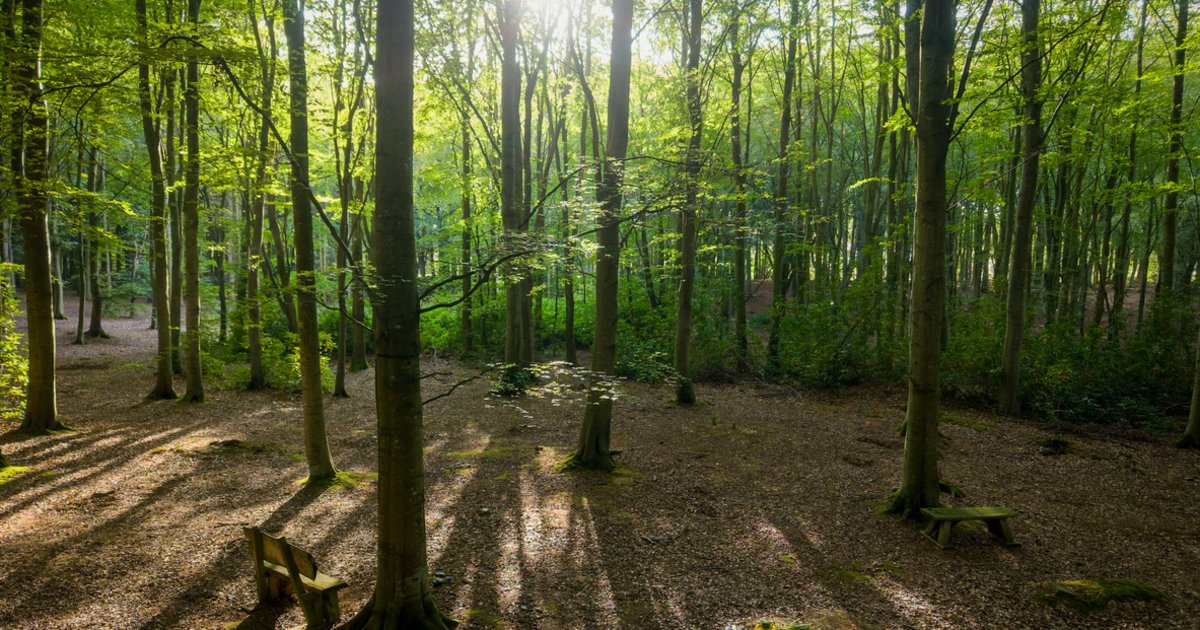
The core of the proposal lies in the ecological restoration of burial sites. Unlike manicured municipal cemeteries, natural burial grounds—often referred to as “meadow burials” or “woodland burials”—are designed to flourish as semi-wild ecosystems. When managed with a focus on conservation, these sites can sequester carbon, improve soil quality, and provide vital corridors for native flora and fauna. By integrating pet interments alongside human plots, the financial and spatial viability of these projects increases, encouraging landowners to convert unproductive or degraded agricultural land into thriving habitats.
“The alignment between ceremonial care and land stewardship is not merely practical; it is an opportunity to reframe our relationship with the landscape,” says Lyon-Hawk. According to the IISCC, the inclusion of pets—a burgeoning movement in the UK—addresses a profound emotional need for families while ensuring that the land remains under conservation management in perpetuity. As the population grows and space for conventional burial becomes increasingly scarce, these sites offer an alternative that avoids the high-energy demands of crematoria, which release significant carbon emissions and mercury into the atmosphere.
Government policy currently faces a “nature recovery gap,” with the UK’s 30×30 goal—to protect 30% of land and sea for nature by 2030—requiring innovative land-use solutions. Natural burial grounds represent a unique category of “protected space” that requires minimal public funding. Instead, they operate on a model of self-sustaining management, where burial fees fund the long-term restoration and monitoring of the ecosystem.
From a biodiversity perspective, these grounds act as refuges for pollinators, nesting birds, and small mammals. Because these areas are restricted from development and prohibited from using pesticides or synthetic fertilizers, they serve as sanctuaries that mirror the state of “rewilding” success stories across the country. Lyon-Hawk emphasizes that by standardizing the certification and incentivization of these sites, the government could catalyze a movement that transforms thousands of acres of monoculture farmland into mosaics of native woodland and wildflower meadows.
However, the transition requires a shift in regulatory frameworks. Current planning laws often categorize burial grounds in a way that does not always reflect their status as nature recovery projects. Proponents suggest that integrating burial land into the Environmental Land Management schemes (ELMs) could provide landowners with the necessary financial backing to initiate the conversion.
As the UK moves toward a more climate-conscious future, the conversation surrounding death and land use is becoming increasingly central to national environmental discourse. By viewing burial not as an end-of-life process in isolation, but as a commitment to the continuity of the landscape, the IISCC believes the nation can foster a more sustainable, meaningful way of honoring the deceased while contributing to the urgent recovery of British wildlife. The integration of pet and human memorialization within these protected grounds offers a sustainable model that acknowledges the importance of human-animal bonds while prioritizing the urgent needs of the natural world.
Disclaimer: This content is auto-generated for informational purposes only.
Source: Read Original News