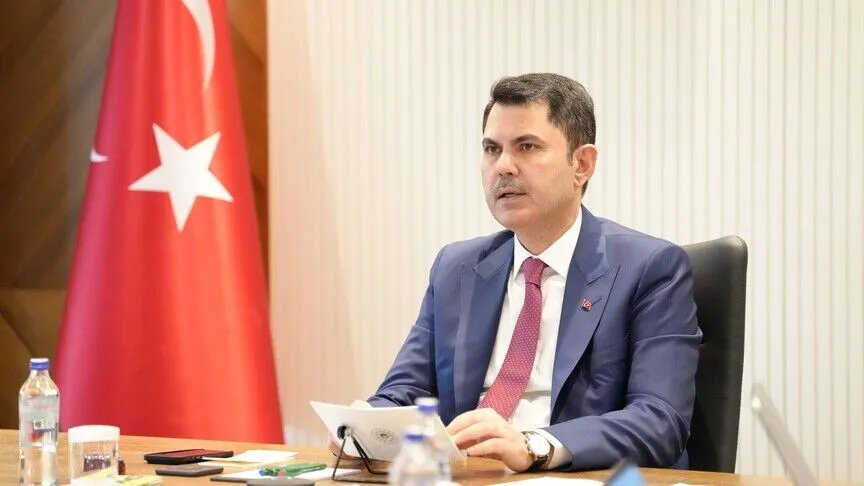









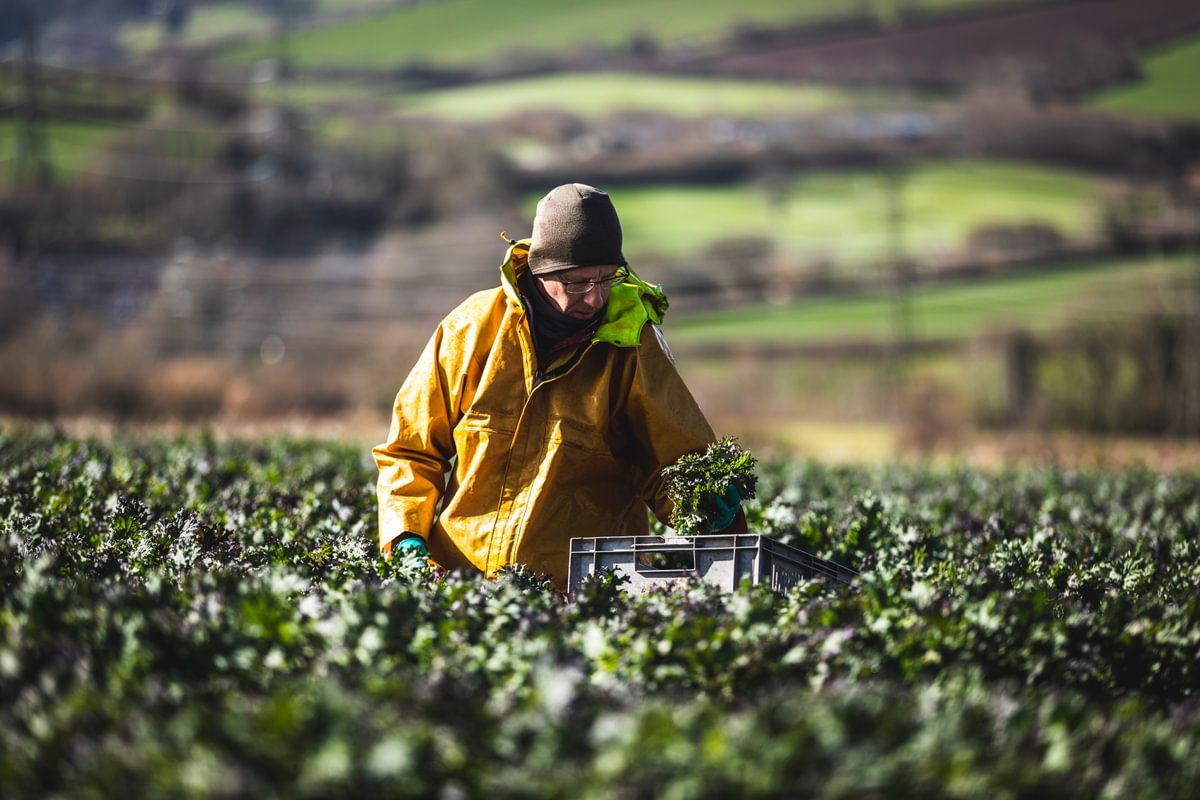
Environment Secretary Dame Angela Eagle has officially launched the Organic Action Plan for England, unveiling a strategic roadmap that seeks to significantly expand the nation’s organic agricultural sector. The initiative sets a formal ambition to increase the proportion of English farmland under organic management from the current 3.4% to 10% by 2036.
The 10-year strategy, announced on Wednesday, 14 October, arrives at a time of shifting consumer habits. According to data from the Department for Environment, Food and Rural Affairs (Defra), UK organic retail sales climbed to £3.9bn in 2025, signaling a robust appetite for chemical-free and sustainable food products. The government’s plan aims to ensure that domestic farmers are equipped to capitalize on this rising demand, reducing the reliance on imports and strengthening the UK’s internal food security.
“People are buying more organic food, and we want English farmers to be in a strong position to respond to that demand,” said Dame Angela Eagle.
The plan rests on three core pillars: supporting producers through the transition, fortifying domestic supply chains, and stimulating demand through targeted consumer awareness and public-sector procurement. A key feature of the strategy is leveraging the government’s own massive purchasing power. With the state spending approximately £5bn annually on food and drink, officials plan to integrate organic products more deeply into public-sector menus. Produce that meets organic standards already qualifies under the Higher Environmental Production Standards within the Government Buying Standards for Food and Catering Services, providing a ready-made framework to boost consistent demand for organic growers.
Industry reaction to the announcement has been cautiously optimistic. The English Organic Forum, a representative body for the sector, has welcomed the policy as a significant victory for the UK’s food system. Adrian Steele, speaking on behalf of the forum, emphasized that the existence of an action plan is a positive development but noted that “delivery will be the real test.”
Steele highlighted that the path to 10% will not be straightforward, calling for a more “joined-up approach” to dismantle long-standing logistical and supply-chain barriers. These hurdles—which include gaps between farmers, processors, and retail outlets—have historically hindered the scaling of organic operations. Furthermore, the Forum has raised questions regarding the adequacy of current funding, warning that the government must provide stronger financial backing if it hopes to transform these lofty ambitions into tangible, on-the-ground change.
Environmental advocates have largely praised the shift, viewing it as a vital move toward more resilient farming systems. Helen Browning, a prominent voice in the organic movement, highlighted the environmental benefits of the policy. “It’s great to see government backing organic with an action plan that will help us build farming systems that are less dependent on harmful chemicals and more resilient to climate change, boosting nature and safeguarding food security in the process,” Browning said.
As the implementation phase begins, Defra intends to focus on mapping supply gaps to identify where domestic production can best fill existing shortages. By fostering closer collaboration between farmers, processors, and retailers, the government hopes to create more shelf space for English organic produce in supermarkets, restaurants, and international export markets. Whether this ambitious ten-year trajectory can overcome the financial and structural constraints of the industry remains to be seen, but the plan represents the most significant government intervention in the organic sector in recent history.
Disclaimer: This content is auto-generated for informational purposes only.
Source: Read Original News