






The landscape of wearable technology continues to evolve as Google refines its hardware ecosystem. With the upcoming release of the Fitbit Edge, scheduled for late October, Google is filling the gap between its minimalist screen-less trackers and the flagship Pixel Watch series. This new device aims to provide a more robust interface and a refined user experience, positioning itself as a successor to the established Fitbit Charge series.
Refining the Hardware and Interface
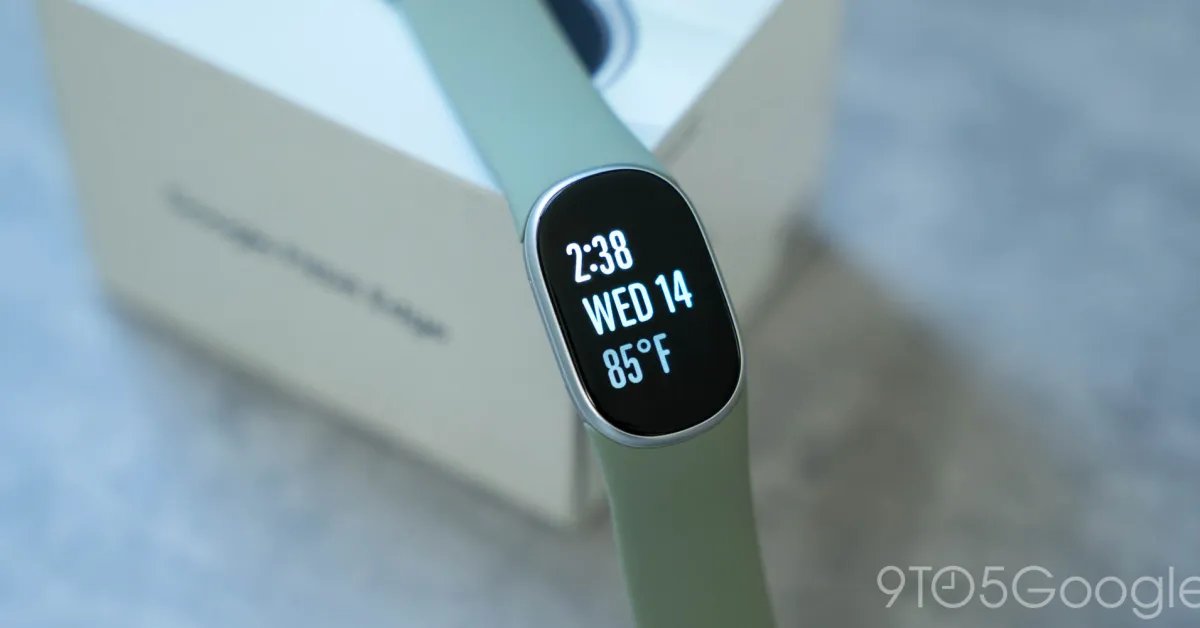
The most immediate change users will notice with the Fitbit Edge is the display. The device features an enlarged screen that provides a more expansive canvas for health metrics and notifications. This design choice is intended to offer a high-density information display that mirrors the visual language found on the premium Pixel Watch.
Beyond the screen, the device introduces a physical, tactile power button on the side of the chassis. This addition addresses usability feedback from previous generations, where the lack of physical controls made navigation strictly dependent on touch inputs. By incorporating this button, the Edge allows for a more reliable way to wake the device, navigate menus, or trigger specific functions, particularly during active sessions where touch interaction can be inconsistent due to perspiration or environmental conditions.
Advanced Tracking and Connectivity
Functionality remains the cornerstone of the Fitbit brand. The Edge is designed to monitor a comprehensive array of biometrics, including heart rate tracking, sleep patterns, and intensive workout metrics. It maintains the critical ability to broadcast heart rate data in real-time, allowing it to sync with third-party fitness equipment such as treadmills, exercise bikes, and rowing machines.
The integration with the broader Google ecosystem is evident in its support for Google Maps and its direct synchronization with the Google Health application. This ensures that users can access their long-term health trends and real-time workout data seamlessly across their connected devices. The inclusion of internal GPS further distinguishes the Edge as a capable tool for outdoor activities, allowing users to track pace and distance during runs or hikes without needing to carry a smartphone.
Design and Compatibility
A notable shift in the design of the Fitbit Edge is its adoption of the Active Band style, which aligns it more closely with the visual aesthetic of the Pixel Watch. However, for those who prioritize modularity, the connector mechanism utilizes a design borrowed from the Charge series. This allows for a familiar attachment method for those already accustomed to the legacy Fitbit ecosystem.
Interestingly, the charging infrastructure for the Edge is shared with the lighter, entry-level Fitbit Air. This cross-compatibility is a practical consideration for households or users who might utilize multiple wearable devices within the Google family. While the hardware remains compact, the build quality is expected to maintain the rugged standards required for daily activity tracking and exposure to the elements during intense physical exercise.
The Absence of Contactless Payments
Despite the iterative improvements in display technology and physical navigation, there is a distinct omission in the feature set of the new tracker: the lack of support for Google Wallet. This is a significant deviation from the previous iteration, the Fitbit Charge 6, which included near-field communication (NFC) capabilities for contactless payments.
For many users, the ability to leave a wallet at home during a run or gym session was a primary draw for the mid-range tracker. Its absence in the Edge suggests a shift in product segmentation, perhaps intended to drive users who require mobile payment features toward the more expensive Pixel Watch models. It remains to be seen how this limitation will influence the reception of the device among power users who relied on their trackers for daily convenience.
Market Positioning and Availability
The Fitbit Edge is positioned as the middle ground in Google’s wearable hierarchy. By providing a “Pixel Watch Lite” experience, it caters to consumers who want advanced health data and a screen-based interface without the complexity or price point of a full-blown smartwatch. It is effectively targeting the active user who prioritizes fitness data over third-party app support or high-end smart features.
Pre-orders for the device are already open, with an official retail launch set for October 27. As the wearable market becomes increasingly crowded with specialized sports watches and multifunctional smartwatches, the success of the Fitbit Edge will likely depend on its battery efficiency and the accuracy of its health sensors under diverse conditions. Prospective users will be looking to see if the interface refinements and the new tactile hardware elements provide enough value to justify its role in their daily routines.
Disclaimer: This content is auto-generated for informational purposes only.
Source: Read Original News