









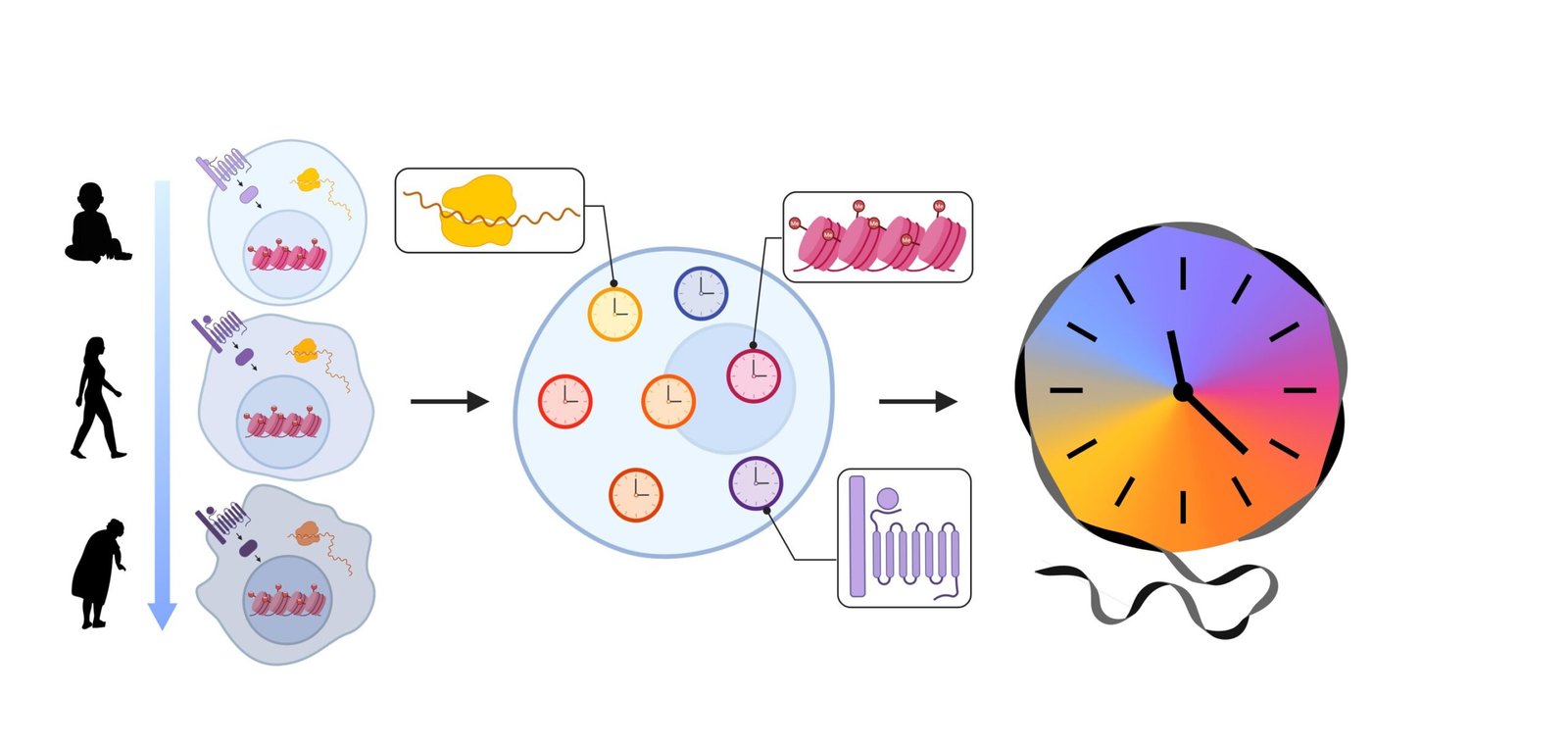
Deciphering the Cellular Clock: Reprogramming Biology
Biological aging has long been viewed as an inevitable decline, a steady deterioration of organ systems and tissue integrity driven by the accumulation of cellular damage. However, a paradigm shift is occurring within the field of longevity research, moving away from simple symptom management toward the systematic reversal of the aging process at a molecular level. By focusing on the “hallmarks of aging”—a framework encompassing genomic instability, epigenetic alterations, and mitochondrial dysfunction—scientists are beginning to treat age-related decline as a malleable state rather than a fixed destiny.
Central to this new wave of innovation is cellular reprogramming, a technique that leverages the potential of pluripotent states to reset the biological age of mature cells. By expressing specific transcription factors, researchers can nudge specialized cells back into a more youthful, flexible state. This methodology does not merely slow the clock; it resets the internal markers of biological time, effectively rejuvenating tissues that have lost their functional capacity over decades of metabolic activity.
The Mechanism of Epigenetic Reprogramming
The core of modern rejuvenation research lies in the epigenetic landscape. As cells age, they accumulate “noise” in their DNA methylation patterns. These markers act like switches that dictate how genes are read, and over time, they lose the precision required for optimal cellular function. This process leads to the loss of cellular identity, where a cell effectively “forgets” how to perform its specialized role, contributing to systemic frailty.
To address this, researchers are utilizing transient expression of Yamanaka factors—a specific set of proteins known as OSKM (Oct4, Sox2, Klf4, and c-Myc). In traditional stem cell biology, these factors turn adult cells into induced pluripotent stem cells. However, in the context of anti-aging, the focus is on partial reprogramming. By limiting the exposure of cells to these factors, scientists can induce a state of rejuvenation without causing the cell to lose its unique identity. This refined approach allows an aged liver cell, for instance, to regain the molecular profile of its younger self while maintaining its function as a liver cell.
Restoring Tissue Integrity and Organ Function
The primary objective of these interventions is to translate molecular rejuvenation into tangible clinical benefits. The systemic loss of integrity in tissues—such as the thinning of the dermis, the weakening of cardiac muscle, or the decline in neurogenesis—is fundamentally a failure of cellular maintenance. By applying reprogramming therapies, researchers aim to trigger endogenous repair pathways that are typically silenced in adult organisms.
In laboratory models, partial reprogramming has demonstrated the ability to revitalize senescent cells, reduce chronic inflammation, and improve structural cohesion within connective tissues. This is not just about cosmetic improvement; it is about restoring the metabolic efficiency of high-demand organs. When cellular homeostasis is restored, tissues can clear waste products more efficiently, synthesize proteins with greater fidelity, and respond more robustly to external stressors. This restoration of integrity is the essential prerequisite for preventing the degenerative diseases that currently define the human aging experience.
Bridging the Gap Between Lab and Clinic
Moving from theoretical models to human therapeutic applications requires overcoming significant hurdles, particularly regarding the delivery of reprogramming factors. Direct viral delivery, often used in early studies, poses risks of uncontrolled cell division or immunogenicity. Consequently, the industry is shifting toward safer, precision-based delivery systems such as lipid nanoparticles and mRNA-based platforms. These technologies allow for the controlled, transient activation of rejuvenating genes, minimizing the risk of unwanted cellular transitions.
The impact of these updates cannot be overstated. If therapeutic protocols can safely reverse the epigenetic age of specific organs, the healthcare paradigm will shift from reactive treatment—where we intervene only after organ failure—to proactive maintenance. This would involve periodic “rejuvenation cycles,” where specific tissues are treated to clear the accumulated epigenetic noise before it translates into clinical illness.
Long-term Implications for Human Longevity
As this technology matures, its integration into healthcare will likely begin with the treatment of specific age-related pathologies, such as macular degeneration, osteoarthritis, and cardiovascular dysfunction. By targeting the cellular root of these conditions, medicine may transition into a phase where the “hallmarks of aging” are treated as a manageable chronic condition.
The successful implementation of these techniques would extend the healthspan, the period of life spent in good health, significantly reducing the societal and economic burden of age-related disease. By mastering the ability to reset cellular function, the scientific community is effectively treating the foundational substrate of biological existence. As research progresses, the goal is to create a predictable, scalable framework for cellular maintenance that is accessible, safe, and robust enough to fundamentally change how humans age over the coming century. The goal is no longer just extending life, but ensuring that the biological function remains consistent with the longevity of the organism, aligning the physical state of the body with the advancements in modern medical science.
Disclaimer: This content is auto-generated for informational purposes only.
Source: Read Original News