







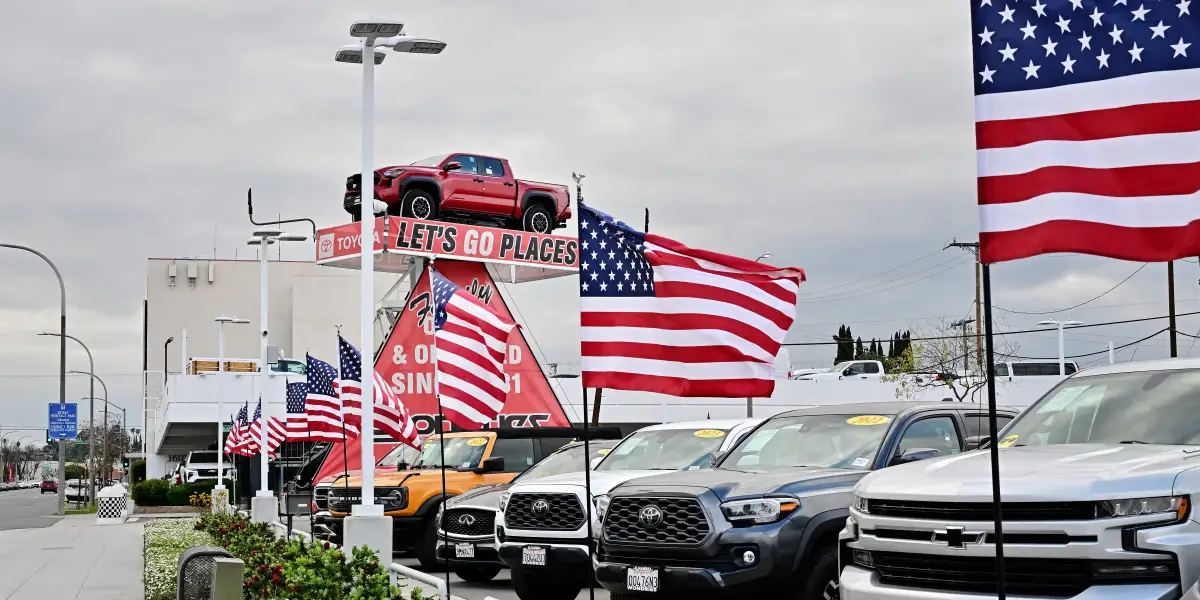
Car buyers are facing a persistent and frustrating paradox: while consumer demand is shifting toward smaller, more economical vehicles, the price tags on those very cars are climbing. New data from Cox Automotive reveals that the average transaction price for a new vehicle in the U.S. has reached $50,562, hovering just a hair’s breadth away from all-time record highs.
This trend underscores a deepening divide between household budgets and dealership reality. Despite the economic pressure of rising inflation, the automotive market has yet to see a meaningful cooling in pricing, even as manufacturers struggle to balance inventory with a changing consumer base.
## The Search for Affordable Options
As price points remain elevated, buyers are actively attempting to pivot. Market data suggests a clear migration away from full-size, expensive models in favor of compact cars and smaller SUVs. This adaptation, according to Erin Keating, an executive analyst at Cox Automotive, has served as a temporary brake on the total industry-wide average. By shifting segments or opting for different brands, shoppers have managed to exert some downward pressure on what they ultimately pay.
However, that strategy is becoming harder to execute. The “affordability gap” is narrowing because entry-level segments are no longer immune to inflation. Compact car prices rose by 3.2% over the last year, reaching an average of nearly $28,000, while subcompact SUVs saw a 1.5% climb. When even the most accessible categories of vehicles see consistent price increases, the options for value-conscious consumers continue to dwindle.
## Industry Bottlenecks and Inventory Challenges
The automotive industry is currently navigating a sluggish transition between model years. Typically, as dealerships prepare for a new calendar year, inventory cycles through to clear out older stock. This year, however, that process has been significantly slower. By the end of September, only about 22% of dealer inventory consisted of newer model-year vehicles, a stark drop from the previous year’s pace.
This lag in the release of updated models has effectively kept prices high. Because fewer new, potentially repriced models are reaching the lot, supply remains tight. Analysts anticipate that this inventory bottleneck will keep new-car transaction prices on an upward trajectory through the end of the year, preventing the typical holiday-season discounting that buyers usually rely on.
## The Future of Incentives
While the broad outlook for shoppers remains expensive, there is a glimmer of hope on the horizon: the return of manufacturer incentives. As supply chains stabilize and new inventory finally arrives, dealerships will face a classic retail challenge: how to move the “old metal.”
Industry experts suggest that larger, less fuel-efficient vehicles are likely to be the first candidates for significant discounting. Major automakers, including General Motors, Ford, and Stellantis, are the most probable candidates to roll out promotional pricing, financing offers, or dealer rebates to entice shoppers back onto the lot.
Ultimately, while the broader economy deals with inflation—which surged 3.7% in September—the automotive sector is seeing a slower, albeit relentless, rise in vehicle costs. For now, the market remains a “seller’s game,” but as inventories improve and older stock lingers, the pressure to offer competitive pricing may finally return the advantage to the consumer. For those currently in the market, the coming months may be defined by a delicate balance between waiting for potential end-of-year incentives and navigating the shrinking availability of affordable inventory.
Disclaimer: This content is auto-generated for informational purposes only.
Source: Read Original News