







India Postpones UPI Merchant Fee Until After Diwali to Protect Festive Consumption
The National Payments Corporation of India (NPCI) has officially decided to defer the implementation of a controversial 0.4% merchant transaction fee on Unified Payments Interface (UPI) payments exceeding 2,000 rupees. The levy, which was designed to help operators recoup the significant costs associated with platform maintenance and infrastructure upgrades, will now remain on hold until the conclusion of the Diwali festival season.
Industry analysts suggest that the decision serves as a strategic move to preserve the current momentum of digital spending. By delaying the fee, the NPCI aims to avoid adding inflationary pressure or discouraging small-scale merchants from accepting digital payments during India’s busiest shopping period of the year.
Balancing Infrastructure Costs and Digital Adoption
For years, UPI has operated as a free-to-use utility, fueling a massive revolution in India’s digital financial ecosystem. However, as transaction volumes have reached record-breaking levels—frequently crossing 10 billion transactions per month—the burden of maintaining the backend infrastructure has intensified. Large payment service providers (PSPs) and banks have long argued that the current zero-fee model is unsustainable in the long run, as they absorb the technical costs of hosting the platform, providing cybersecurity measures, and ensuring real-time settlement across thousands of institutions.
The proposed 0.4% fee on peer-to-merchant (P2M) transactions above 2,000 rupees was intended to create a sustainable revenue stream to support these ongoing technical requirements. Proponents of the fee argue that it is a necessary evolution to ensure the platform remains robust, secure, and capable of handling future spikes in volume without service degradation.
Festive Season Strategy
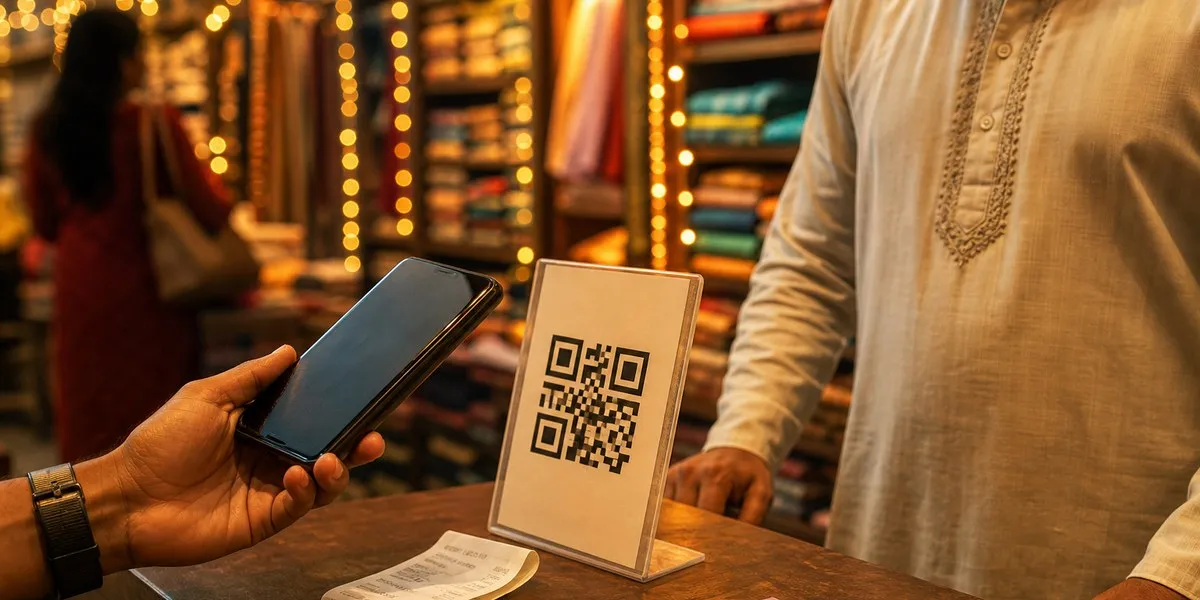
The decision to push the rollout past the Diwali window reflects a broader government priority to ensure that the festive economy remains seamless. The Diwali period is characterized by a massive surge in both online and offline retail activity. Retailers, ranging from neighborhood Kirana stores to large electronic outlets, rely heavily on UPI for low-cost, instant digital collections.
“The postponement is a pragmatic step,” says market analyst Rahul Varma. “Introducing a new cost structure during the peak of consumer demand could have triggered confusion among small merchants and potentially led to a temporary friction point in digital adoption. By waiting until after the festivities, the NPCI gains time to better communicate the fee structure and ensure that the ecosystem is ready for the transition.”
What Lies Ahead for UPI Users
While the fee is currently on hold, market observers expect the discussion regarding merchant charges to resurface once the festive dust settles. The NPCI is reportedly evaluating a staggered approach that might include exemptions for specific merchant categories or small businesses to ensure that the impact on daily commerce remains minimal.
For now, consumers and businesses can continue to utilize UPI without additional charges. The delay provides a temporary reprieve, ensuring that the convenience of instant, zero-cost digital payments remains a primary driver of the Indian economy through the end of the year. As the digital payment landscape continues to mature, the focus will likely shift from aggressive growth toward establishing a sustainable framework that balances innovation, security, and affordability for all stakeholders involved.
Disclaimer: This content is auto-generated for informational purposes only.
Source: Read Original News