









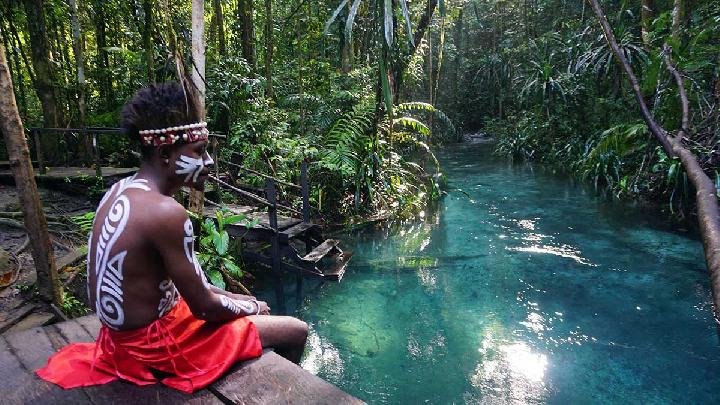
The recent news regarding forest and land fires on Dayan Bonder Island serves as a sobering reminder of how fragile our favorite travel destinations truly are. When we think of places like Raja Ampat, we often picture crystalline waters, lush greenery, and a tranquil escape from the pace of modern life. However, these environments are living ecosystems that require our respect and mindfulness. While we cannot always control the larger environmental shifts, we can certainly rethink how we approach travel and our daily habits to support the preservation of such magnificent locations.
Sustainable Travel Starts Before You Pack
The way we prepare for a trip can significantly dictate our footprint on a destination. Before you head to a remote island or a natural wonder, consider the supplies you are packing. Plastic waste is a major contributor to environmental degradation in island settings, as local infrastructure often struggles to manage excessive refuse. Instead of relying on single-use items, invest in high-quality reusable water bottles, bamboo utensils, and solid toiletries that do not require plastic containers.
When you choose to travel, prioritize booking with companies that explicitly state their commitment to local conservation. These businesses often invest in fire prevention measures and clean water initiatives for the indigenous communities they operate near. By being intentional with your spending, you encourage a local economy that values long-term survival over short-term gain.
Cultivating a Mindful Daily Routine
It is easy to forget that our daily life at home affects the entire planet. The drought conditions that often exacerbate forest fires are linked to global patterns that we can influence through small, consistent changes. Reducing your water usage and being conscious of your energy consumption are not just chores; they are acts of stewardship.
Consider the products you purchase in your own kitchen and bathroom. Opting for items with minimal packaging or those produced by companies that prioritize regenerative farming helps reduce the demand for land clearing elsewhere. When fewer resources are extracted, the pressure on vulnerable landscapes decreases. Think of your home habits as the foundation for how you will eventually behave when you step foot on an island as delicate as those in the Raja Ampat region.
The Beauty of Conscious Consumption
Fashion and consumerism play a larger role in environmental health than most people realize. The textile industry is notoriously thirsty, requiring massive amounts of water and chemicals that often lead to pollution in areas where factories are situated. By shifting toward a wardrobe built on longevity rather than fast trends, you reduce the demand for mass production.
Try to shop secondhand or support brands that use organic fibers and natural dyes. When you buy less, you are making a quiet statement against the industrial expansion that contributes to land degradation. A well-curated closet of timeless pieces is not only more stylish but also inherently more responsible. When your lifestyle focuses on quality over quantity, you naturally align yourself with the goal of protecting the lush, natural spaces we all wish to enjoy.
Supporting Local Resilience
When a disaster hits a destination like Dayan Bonder Island, the impact on tourism and local livelihoods is immediate. The residents who rely on farming and clean water are the first to feel the brunt of these fires. If you have ever enjoyed the hospitality of such a place, it is worth looking into ways to support the community from afar. This does not always mean writing a check; it can mean spreading awareness, choosing to postpone rather than cancel your travel plans, or supporting local organizations that work directly on land restoration.
Staying informed is perhaps the most practical tool in your kit. Understand the challenges faced by the regions you visit. If a particular area is struggling with fires or water scarcity, research the specific crops or local artisanal goods that help these communities rebuild. By purchasing their crafts or supporting their farmers, you provide the economic stability required to manage the land more effectively.
Connecting with Nature Responsibly
Ultimately, the goal is to foster a deeper appreciation for the wild spaces of the world. When you visit a place like Raja Ampat, take the time to learn about the plants and animals that call it home. When we understand the biological value of a forest, we are much more likely to advocate for its protection.
Travel should be an exchange, not a consumption. By leaving a place exactly as you found it—or perhaps even slightly better through your support of local conservation efforts—you help ensure that these paradises remain intact for the next generation. Whether you are walking through your local park or trekking through a remote archipelago, keep your eyes open and your impact low. We are all temporary guardians of these environments, and our lifestyle choices reflect our commitment to that role.
Disclaimer: This content is auto-generated for informational purposes only.
Source: Read Original News