








African economies are navigating a complex landscape of modest growth and systemic fragility, according to the latest assessments from the International Monetary Fund (IMF). While the continent has displayed remarkable resilience in the face of global energy instability, a sharp contraction in development assistance has created a precarious environment for future economic stability.
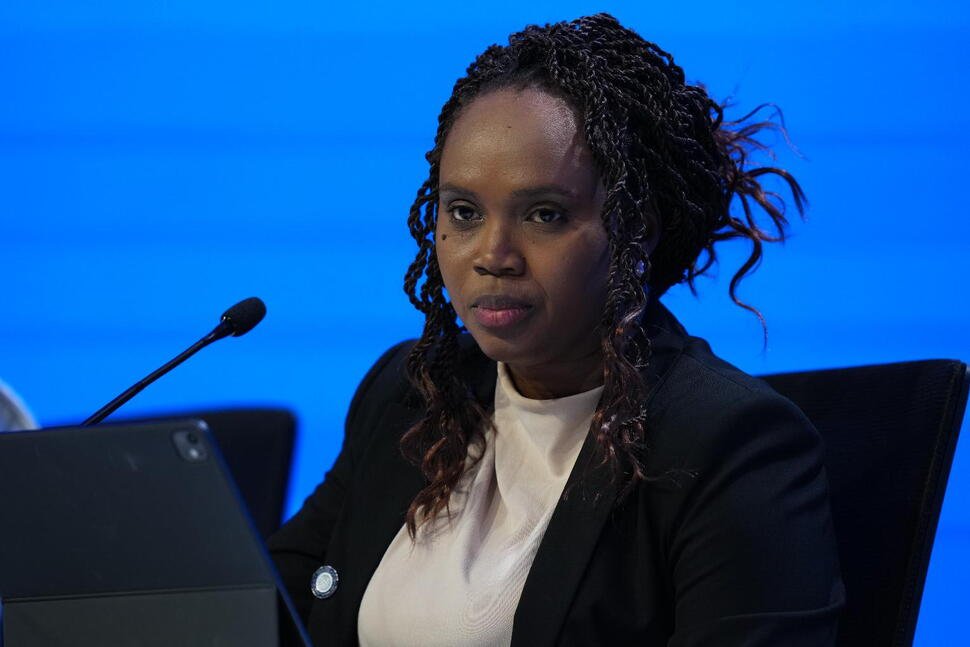
Speaking at a recent IMF and World Bank meeting in Bangkok, Zeine Zeidane, head of the IMF’s Africa department, noted that while the region is projected to see a 4.5% growth rate this year, the decline in international aid—which is expected to fall another 12% following a sharp drop last year—leaves little cushion for external shocks.
## The Push for Economic Sovereignty and Value Chains
Beyond the immediate macroeconomic challenges, a significant shift is occurring in how African nations manage their natural resources. Across the region, finance ministers are prioritizing economic diversification and moving away from the simple export of raw materials.
In countries like Burkina Faso and Guinea, the focus has pivoted toward local processing and value chain creation. Burkina Faso, for instance, has inaugurated its first gold refinery, a strategic move by its government to secure greater control over its resources. Similar initiatives are emerging across West Africa, with nations like Mali and Ivory Coast investing in domestic refining infrastructure. Guinea is simultaneously leveraging the massive Simandou iron ore project to build “growth poles”—industrial enclaves intended to stimulate peripheral sectors and generate employment for the youth population.
## Harnessing AI to Bridge the Productivity Gap
A major pillar of the IMF’s strategy for the region involves the integration of artificial intelligence. While the global tech industry currently dominates the AI narrative, the IMF sees profound implications for Africa, particularly in agriculture, healthcare, and education.
“The adoption, adaptation, and scaling of AI could increase economic growth by more than 4% over the next decade,” Zeidane explained. By deploying AI-driven solutions to improve crop yields in a sector currently plagued by low productivity, or by digitizing government services, African nations could significantly boost their competitive standing.
The IMF is actively encouraging governments to capitalize on the windfall from critical mineral exports—such as cobalt, copper, and gold used in modern electronics—to fund these technological transitions. By investing in digital infrastructure now, these nations hope to avoid the “middle-income trap” and foster a tech-forward workforce.
## Managing Downside Risks
Despite the potential for growth via technological adoption, the IMF warns that the path forward remains hazardous. The confluence of persistent regional conflicts, food insecurity, and the unpredictable nature of climate events like El Niño creates a volatile outlook.
Furthermore, the “digital divide” remains a central concern for the global tech sector. As AI becomes a requisite for modern economic competitiveness, the ability of African startups and government agencies to access and train on large-language models and specialized datasets will determine whether the continent becomes a meaningful participant in the digital economy or remains on the periphery.
For now, the strategy for many African finance ministers is clear: stop exporting raw value, start building domestic manufacturing and digital capability, and treat mineral wealth as a finite opportunity to build a diversified, modern foundation. As the global economy evolves, the integration of AI tools is no longer viewed as a luxury, but as an essential component of the continent’s long-term survival strategy.
Disclaimer: This content is auto-generated for informational purposes only.
Source: Read Original News