






The Technical Promises of the Remaster
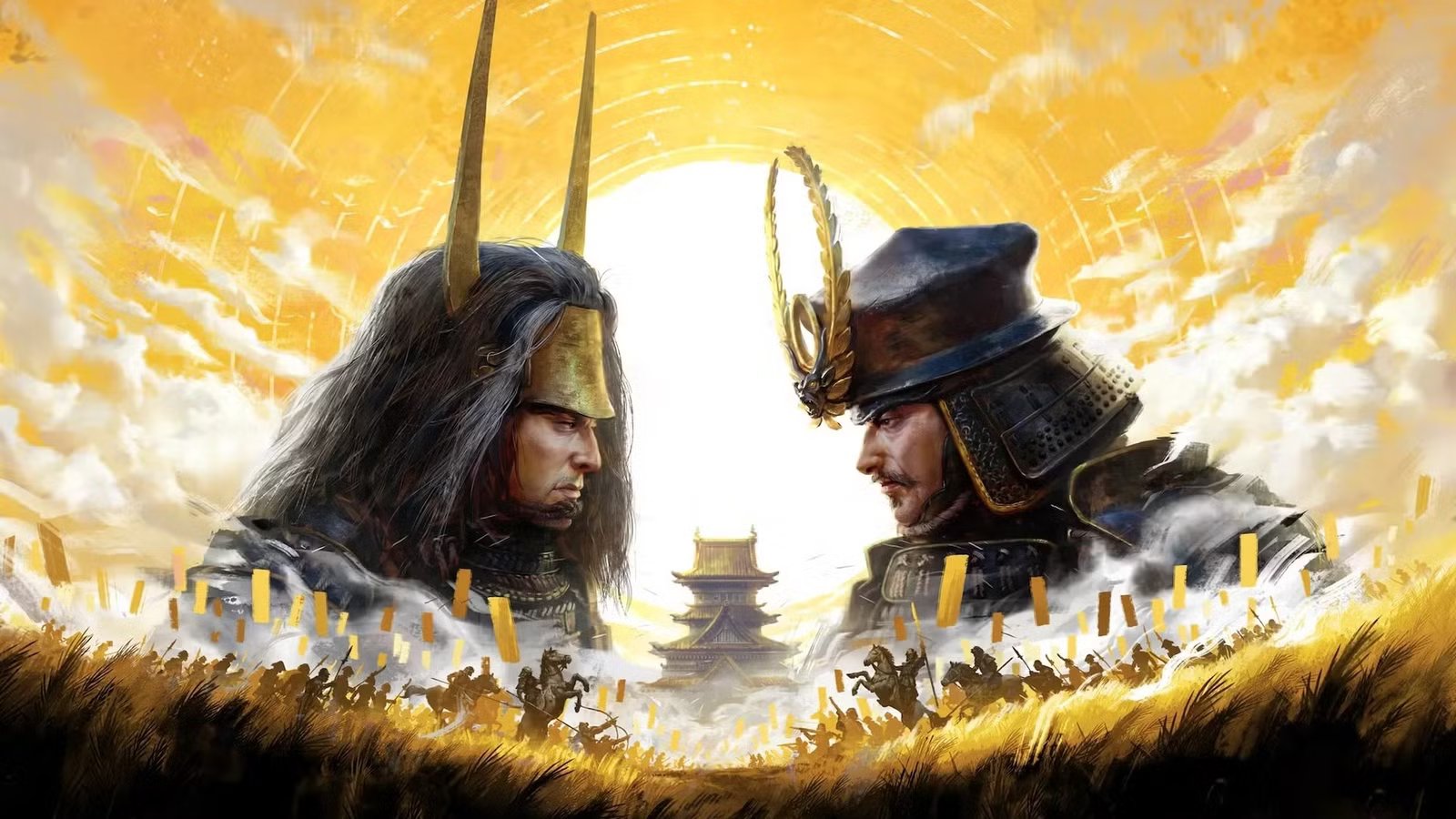
When Creative Assembly and Sega announced the Complete Edition of the 2011 classic Total War: Shogun 2, the technical specifications suggested a comprehensive modernization of the engine. The developer promised a suite of visual enhancements designed to bring the game up to contemporary standards. Key technical upgrades were supposed to include high-resolution texture replacements, modernized geometry models, and an overhauled lighting and shadow system. Furthermore, the implementation of modern rendering techniques, advanced anti-aliasing, and automated upscaling was intended to ensure the game performed optimally on current hardware configurations.
Beyond the core engine, the remaster introduced creative stylistic changes. This included new 2.5D campaign cutscenes inspired by traditional Japanese Ukiyo-e woodblock art, intended to deepen the historical immersion of the Sengoku period setting. These features were marketed as a definitive way to experience the strategy title, combining the tactical depth of the original game with the graphical fidelity expected by modern audiences.
Analyzing the Technical Failures
Shortly after the October 13 launch, the community identified significant discrepancies between the promised enhancements and the final product. Technical analysis by users highlighted irregularities in asset processing, specifically pointing toward the implementation of artificial intelligence upscaling. This is a common technique used to increase the resolution of legacy textures, but when applied without rigorous manual correction, it can lead to artifacts.
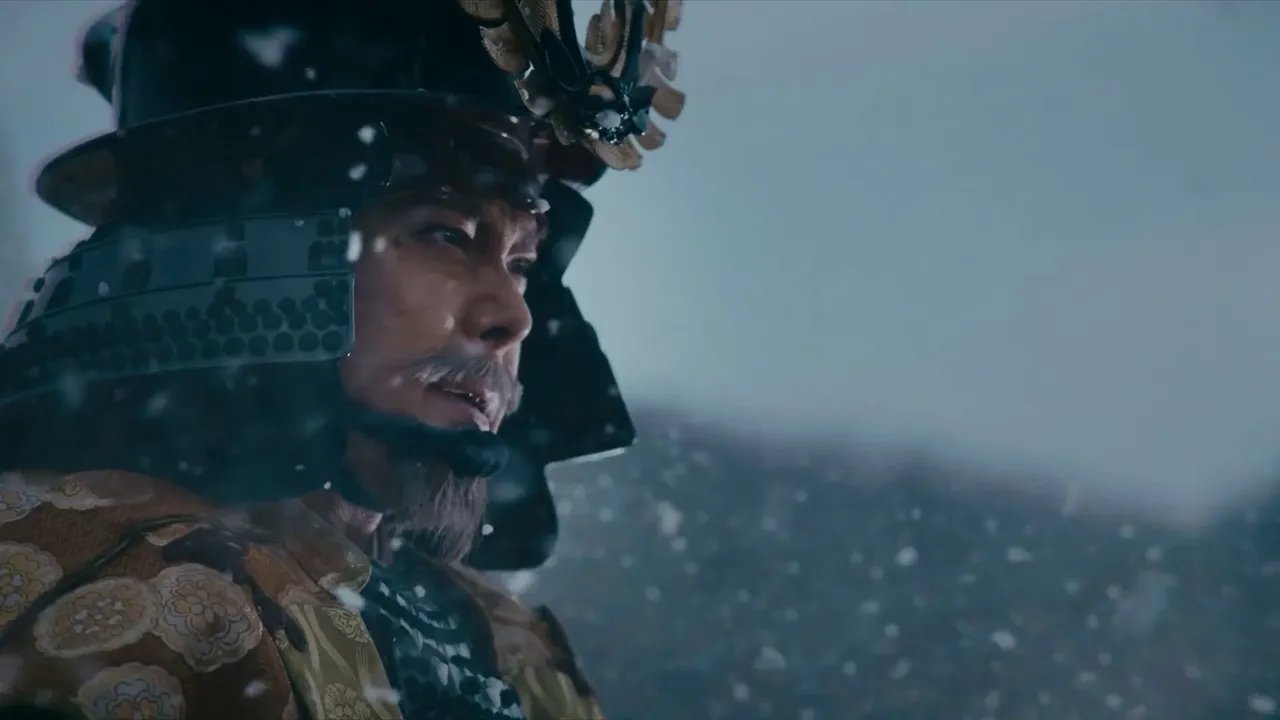
Players reported that specific character models, particularly those of samurai, displayed broken geometry where the software failed to correctly interpolate between facial features and armor plating. This resulted in textures that appeared metallic or distorted, effectively erasing the original artistic intent of the character designs. Furthermore, the storyboard cutscenes suffered from similar inconsistencies, with users noting jagged edges, blurred details, and composition errors that suggested a lack of proper asset oversight. These visual flaws were not merely minor performance hiccups but represent a fundamental failure in the digital restoration process, leading to the overwhelmingly negative reception on the Steam platform.
The Impact of Platform Removal
The situation escalated when Sega decided to remove the original 2011 version of Shogun 2 from the digital storefront, effectively forcing the Complete Edition as the sole purchasing route for new players. This decision compounded consumer frustration. While the original version was frequently available at a low cost, the new iteration was priced at $40, creating a significant disparity between the perceived value and the actual performance of the product.
By restricting access to the stable, original version of the software, the publishers alienated their existing user base. The decision to make the broken remaster the default version of the game meant that even those who only wanted to experience the classic title were forced into a compromised user experience. This resulted in a collective pushback from the community, with the game’s rating plummeting as users shared evidence of the technical regressions compared to the decade-old source material.
Corrective Actions and Institutional Accountability
In response to the mounting criticism, Creative Assembly and Sega issued a joint statement acknowledging that the product did not align with their internal quality benchmarks or the expectations of their customers. The companies have committed to a temporary removal of the game from sale to facilitate a comprehensive investigation into the development process.
The strategy includes reinstating the original version of Shogun 2, ensuring that fans retain access to a functional, stable experience. Simultaneously, the developers are engaging with their co-development partner, Mataboo, to perform a root-cause analysis. The focus of this investigation is to identify why the automated scaling and texture enhancement tools were deployed in a manner that compromised the integrity of the assets. The goal is to correct these issues before any potential re-release, ensuring that the final output satisfies the standards associated with the Total War franchise.
Broader Implications for Remastering Technology
The Shogun 2 incident serves as a critical case study regarding the use of automated tools in game preservation and remastering. As developers increasingly look to AI and automated upscaling to modernize legacy titles, this event highlights the risks of substituting manual labor with algorithmic processing. While automated tools can drastically speed up the remastering workflow, they often struggle with complex, non-photorealistic art styles or high-detail character models, necessitating human intervention to correct artifacts.
This situation also draws attention to the management of collaborative projects, specifically how larger studios like Creative Assembly interact with external development partners. As the industry moves toward more frequent revivals of classic titles, the reliance on specialized external teams requires rigorous quality assurance protocols to maintain the graphical and performance fidelity of the source code. For future projects, such as the upcoming installments in the Warhammer 40,000 and Alien series, this controversy serves as a stark reminder that even with significant technical upgrades, the preservation of visual consistency remains the primary priority for enthusiasts. The industry is now left to grapple with the challenge of how to integrate modern upscaling technology while avoiding the pitfalls that rendered this remaster a commercial and technical disappointment.
Disclaimer: This content is auto-generated for informational purposes only.
Source: Read Original News