






The Shift to Touchscreen Displays in Professional Computing
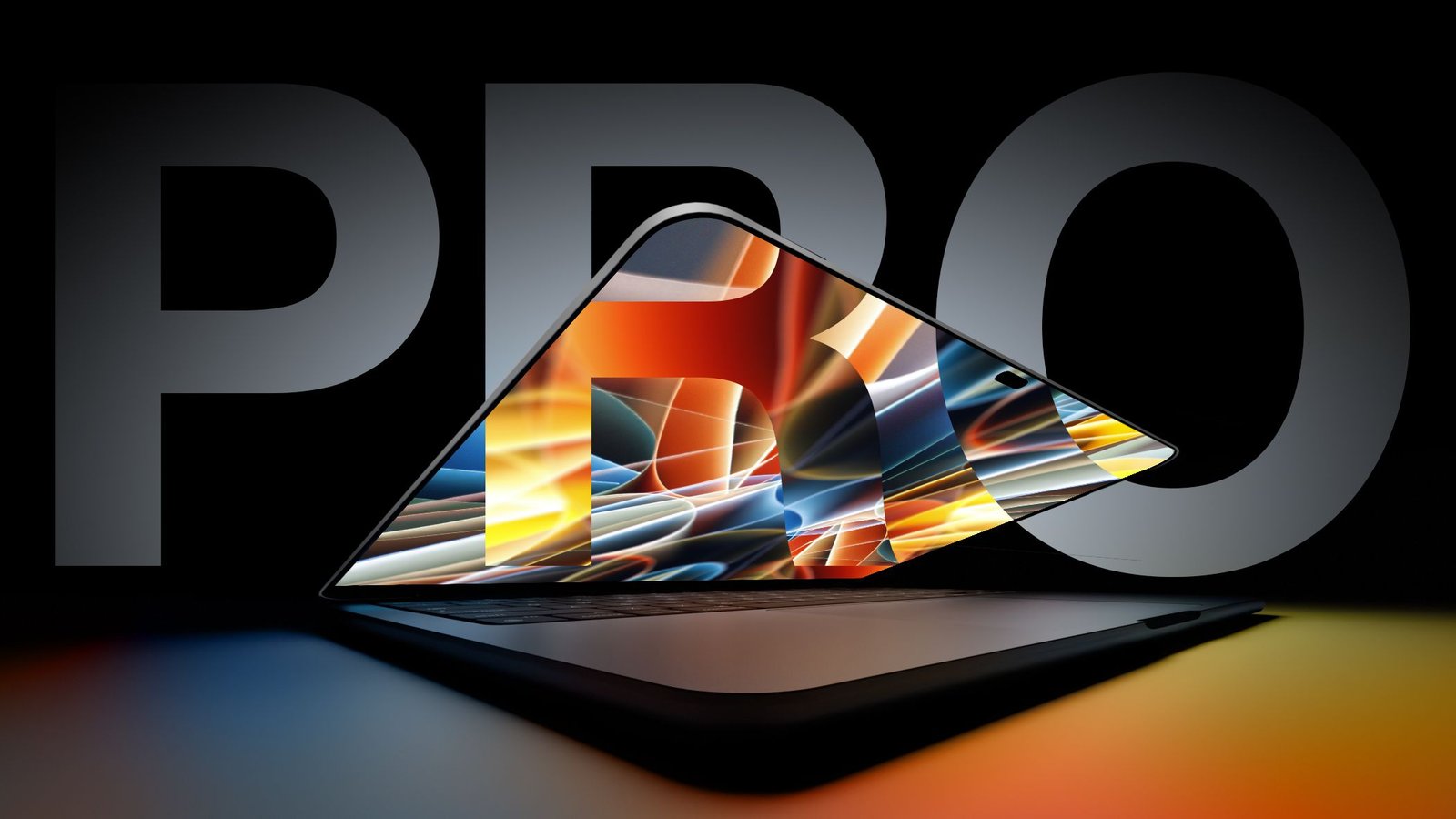
The long-standing architectural divide between Apple’s touch-based interface on iPad and the cursor-driven macOS is nearing a point of convergence. Reports indicate that Apple is preparing to unveil new MacBook Pro models featuring OLED touchscreen technology. This development marks a significant departure from the company’s decade-long stance that touch interfaces are suboptimal for laptop ergonomics. By incorporating a capacitive OLED layer directly into the MacBook Pro display assembly, Apple appears to be addressing a demand for more fluid, gestural navigation in high-productivity workflows.
The move to OLED technology extends beyond the touchscreen functionality. OLED displays offer individual pixel dimming, resulting in a true black level, higher contrast ratios, and improved power efficiency compared to the traditional mini-LED panels currently used in high-end portable Macs. This transition is expected to enhance color accuracy and motion fluidity, making the hardware particularly appealing to professional colorists, video editors, and designers who require precision visualization.
Strategic Timing and Retail Integration
Apple has scheduled a strategic retail floor reset occurring between November 5 and November 6, 2026, signaling a major rollout for its hardware lineup. This activity follows a planned creator-focused gathering in Los Angeles in late October, where the company intends to showcase these devices to key influencers and industry professionals. This sequence of events aligns with a broader strategy of segmented product releases that keep Apple in the news cycle through the final quarter of the calendar year.
The transition to the November launch window suggests that Apple intends to capture the critical holiday purchasing period. By positioning the OLED MacBook Pro as a premium tier above existing mini-LED models, the company is effectively broadening its hardware portfolio without cannibalizing the market for its current professional offerings. Retail logistics are being prepared to accommodate not only these portable computers but also a variety of other hardware announcements scheduled throughout October and November.
Hardware Specifications and Internal Architecture
A notable aspect of the upcoming MacBook Pro refresh is the underlying silicon. Contrary to speculation that the move to an OLED screen might coincide with a new chip generation, these models will continue to utilize the existing M5 Pro and M5 Max architecture. While the lack of an M6 processor in these specific units might surprise some enthusiasts, the focus here remains on display innovation and interaction rather than raw computational throughput.
The integration of the touchscreen does not replace the traditional keyboard and trackpad interface; rather, it complements them. The M5 Pro and M5 Max chips remain highly capable of managing the thermal requirements of high-resolution OLED panels. By retaining the current chip architecture, Apple ensures that existing software optimizations for M5 silicon remain fully compatible, allowing developers to focus on updating applications to support touch-based inputs without needing to worry about new hardware overhead.
Ecosystem Expansion and Related Launches
The arrival of the OLED MacBook Pro is part of a larger hardware wave. Alongside the flagship laptops, reports confirm the introduction of an OLED-equipped iPad mini and a refreshed iMac featuring the M6 chip. Furthermore, the entry-level 14-inch MacBook Pro is expected to receive an M6 upgrade, distinguishing the baseline professional machines from the more specialized OLED-equipped Pro models.
This tiered strategy allows Apple to manage supply chain constraints while providing clear value propositions for different categories of users. The entry-level machines benefit from increased performance through new silicon, while the high-end OLED models provide a new tactile experience. Rounding out this busy calendar are the October 23 release of the iPhone Duo, the October 30 launch of the HomePod mini 2, and the mid-November debut of the updated Apple TV 4K and HomeView systems.
Impact on Creative Workflows and Accessibility
The introduction of a touchscreen to the Mac lineup invites a re-evaluation of user interaction. While the trackpad has long served as the primary interface for macOS, the ability to manipulate objects directly on the display via touch creates new possibilities for creative software. Applications such as digital illustration, photo retouching, and musical composition could see significant workflow speed increases. A creator can perform precision adjustments with the trackpad while simultaneously using touch gestures for pan and zoom functions, effectively bridging the gap between tactile manipulation and fine-point cursor control.
Beyond professional creativity, this shift is a win for accessibility. Users who struggle with traditional input methods may find touch-enabled navigation more intuitive. As software developers begin to integrate touch support into the macOS ecosystem, we will likely see a move toward interface elements that are better suited for both pointer and finger interaction. The impact of this update will ultimately depend on how deeply third-party developers adopt these new capabilities, but the existence of the hardware provides the necessary foundation for a more flexible computing experience.
Disclaimer: This content is auto-generated for informational purposes only.
Source: Read Original News