







New Delhi Erupts: Thousands Demand Resignation of Election Commissioner Amid Mass Protests
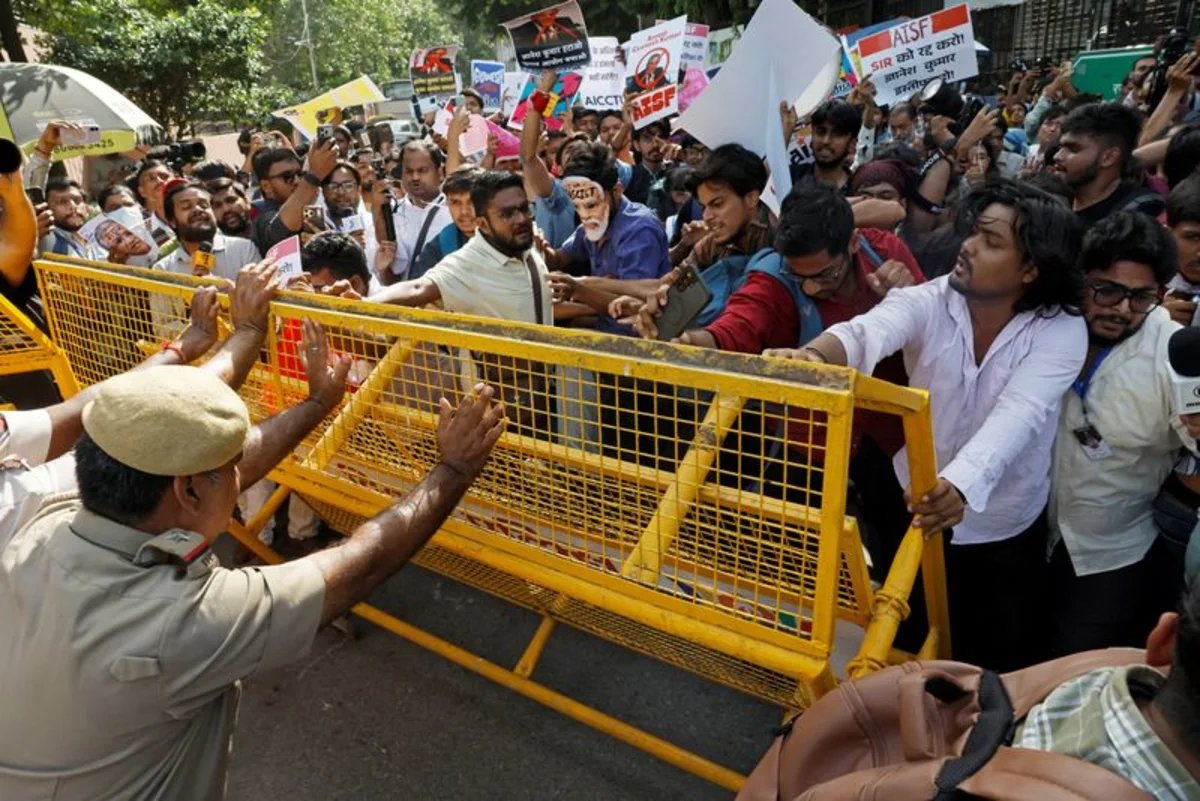
New Delhi has been transformed into a city of barricades and security checkpoints as demonstrations demanding the resignation of India’s chief election commissioner enter their third week. The intensifying unrest has drawn together a coalition of political heavyweights, including the Congress party, and burgeoning youth movements like the Cockroach Janta Party (CJP), all unified by a growing distrust in the integrity of the nation’s electoral processes.
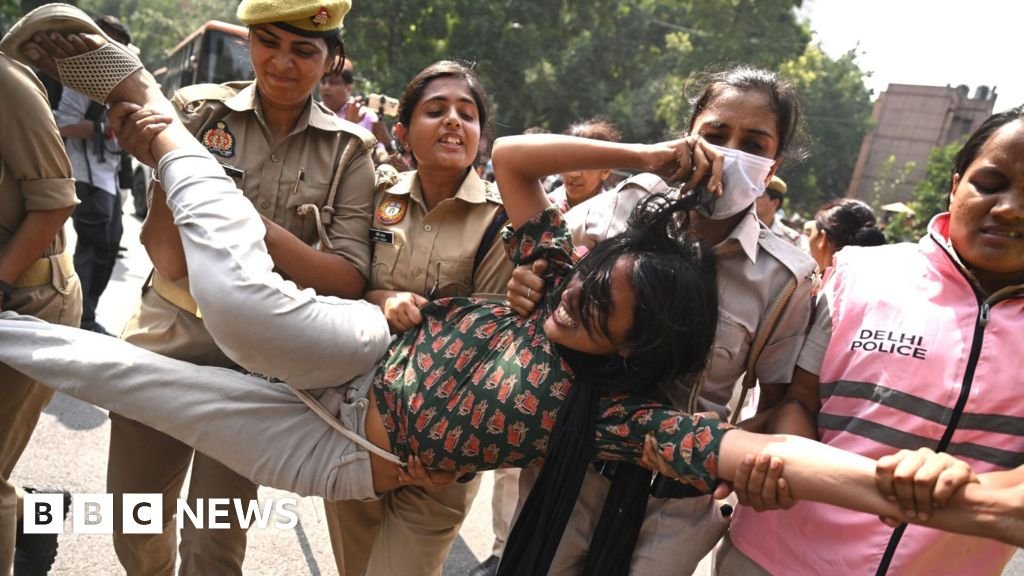
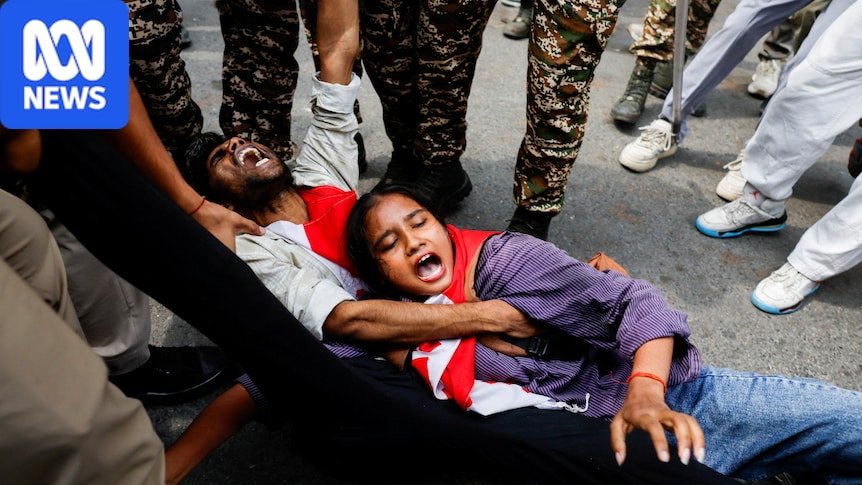
In response, the central government has deployed a massive security apparatus, with over 33,000 police and paramilitary personnel flooding the streets to suppress dissent. Authorities have resorted to harsh tactics to maintain control, including the detention of demonstrators, the silencing of independent social media accounts, and the imposition of internet blackouts across the capital.
The Catalyst: Controversy Over the Electoral Roll
The roots of this friction lie in a government-mandated administrative change known as the Special Intensive Revision (SIR). First announced in June of last year for the state of Bihar, this update to the electoral roll—traditionally a routine logistical exercise—has triggered widespread outrage. The Election Commission (EC) introduced a new verification requirement for all voters enrolled after 2003, mandating that they produce physical documentation to prove their date and place of birth.
Over the past 18 months, the SIR has expanded across most Indian states, resulting in the removal of more than 130 million names from the draft electoral roll. Critics from the opposition argue that this mass deletion is a deliberate strategy to disenfranchise voters who are less likely to support the ruling Bharatiya Janata Party (BJP), specifically targeting the elderly, the impoverished, and migrant workers who often lack the required administrative records. Rahul Gandhi of the Congress party has characterized these measures as a tool for “vote theft.”
Internal Discord and the Rise of the ‘Cockroach’ Movement
Public pressure reached a tipping point following a bombshell report by The Indian Express, which revealed that the other two members of the Election Commission, Sukhbir Singh Sandhu and Vivek Joshi, had repeatedly raised concerns regarding the process. Reports suggest the commissioners formally objected 14 times over the course of a year, citing unauthorized alterations to registration protocols and opaque decision-making by Chief Election Commissioner Gyanesh Kumar. While the EC maintains that all actions were unanimous and that deliberation is natural, the public has already turned its focus toward Mr. Kumar’s departure.
Fueling the fire is the CJP, a youth-led movement that has rapidly mobilized the next generation of voters. Having gained national prominence earlier this year during a scandal involving the medical entrance exam, the CJP has proven to be a formidable challenger to the ruling party. Their high-profile protests have already claimed one political scalp—that of the former federal education minister—and they are now leveraging that momentum to challenge the current electoral oversight.
Government Crackdown and Legal Friction
The government’s reaction to these protests has been uncompromising. Beyond physical blockades and mass arrests, authorities have de-listed Jantar Mantar, the historic site for civil demonstration in New Delhi, and replaced it with alternative locations situated far from the centers of power.
The suppression has reached into the leadership ranks of the protest movements. High-profile activists, including CJP founders, have faced detention upon arrival in the city or incarceration for acts of defiance, such as breaching security cordons. Despite these efforts to stifle the momentum, the demonstrators remain steadfast. As the political standoff persists, it is becoming increasingly clear that the fight for electoral transparency has become the most significant challenge yet to the long-standing authority of Prime Minister Narendra Modi’s administration.
Disclaimer: This content is auto-generated for informational purposes only.
Source: Read Original News