







A New Wave of Dissent: India’s Youth Movement Challenges the Modi Era
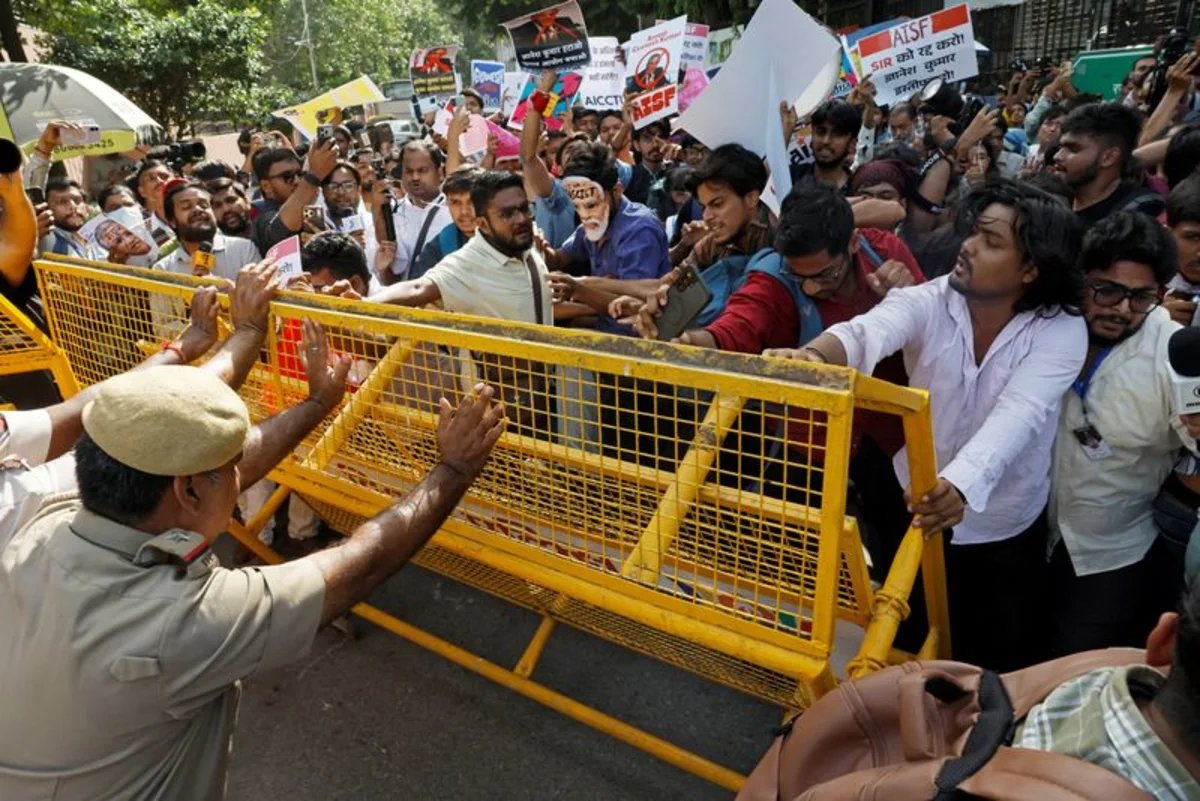
The streets of India are witnessing a surge in civil unrest, as a emboldened generation of young protesters defies heavy security deployments to voice their dissatisfaction with Prime Minister Narendra Modi’s government. Recent demonstrations in New Delhi and other major cities have seen youth activists clash with police, chant slogans, and scramble over barricades in a public display of defiance that observers claim is the most significant challenge to the administration since it first took office in 2014.
According to data from the Armed Conflict Location and Event Data (ACLED) Project, India is on track to experience a record number of street protests this year, driven largely by the mobilization of Gen Z citizens. This demographic, comprising nearly a quarter of India’s billion-strong electorate, is increasingly vocal about its rejection of the current status quo.
Beyond the Ballot: The Roots of Growing Unrest
While the immediate focus of these protests—including demands for the resignation of Election Commission chief Gyanesh Kumar—revolves around allegations of voter roll manipulation, the sentiment among the youth runs much deeper. For many, the movement is a boiling point of long-standing frustration regarding joblessness, academic corruption, and the government’s perceived focus on divisive social issues over economic reform.
Despite a decade of headlines boasting of rapid economic growth, the promised “job boom” has failed to materialize for millions. Government data shows unemployment among Indians aged 15-29 remains near 10%, while independent reports suggest that nearly 40% of graduates between 15 and 25 are struggling to find work. This mismatch between the nation’s aspirations and its reality has led to a collapse of the fear that once suppressed public dissent.
“The fear in us is gone,” said 21-year-old Delhi University student Ananya Raturi. “We don’t fear being detained or beaten up by the police. This generation enjoys it.”
The Rise of a Digital Resistance
The protests have been bolstered by the emergence of new, tech-savvy platforms and youth-led groups, most notably the “Cockroach Janta Party.” Originally born from online satire after controversial remarks regarding unemployed youth, the movement has evolved into a nationwide campaign.
In a media landscape dominated by pro-government narratives, these activists have bypassed traditional outlets. By utilizing mobile phones and independent YouTube channels, they have amplified their message and turned protest leaders into online icons, challenging the government’s grip on the national narrative. This digital-first approach has re-energized opposition parties, including the Congress Party, and brought thousands more to the streets.
A Crucial Test Ahead
While the government and the Bharatiya Janata Party (BJP) have largely remained silent on these specific protests—maintaining that their electoral success is a byproduct of popular support and economic progress—political analysts are watching closely. Yogendra Yadav, a prominent anti-government activist, suggests that while the Modi regime remains stable until the next general election in 2029, these protests represent the “beginning of a downward spiral.”
As India prepares for upcoming regional polls, particularly in the critical state of Uttar Pradesh, the political landscape remains in flux. Whether this youth-led resurgence will translate into electoral consequences remains to be seen. However, one thing is clear: a generation that grew up under the promise of a “New India” is now demanding the jobs and opportunities they believe they were denied, signaling a shift in the country’s political temperature.
Disclaimer: This content is auto-generated for informational purposes only.
Source: Read Original News