







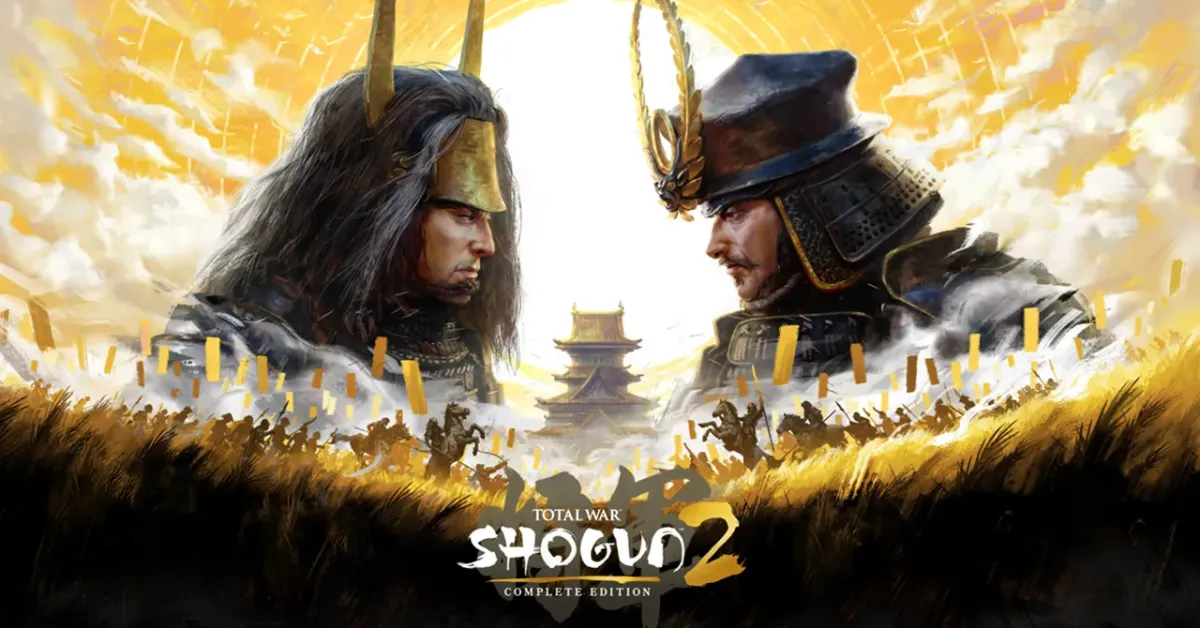
The Rise and Fall of the Total War Remaster
The recent release and subsequent retraction of Total War: Shogun 2 – Complete Edition represents a significant failure in the modern practice of game remastering. Originally launched in 2011, Shogun 2 remains a cornerstone of the strategy genre, celebrated for its tactical depth and atmospheric depiction of feudal Japan. When Sega and Creative Assembly announced a Complete Edition, the expectation was a polished, modernized version of a classic title, featuring updated user interface scaling, enhanced visual fidelity, and streamlined control schemes. Instead, the release prompted an immediate backlash, with players reporting widespread technical instability and visual anomalies that suggested a lack of professional oversight. Within days, the product was removed from digital storefronts as the developers acknowledged that the release failed to meet acceptable industry standards.
Technical Failures and Visual Inconsistency
At the core of the community’s dissatisfaction were the visual upgrades, which many players identified as being produced by automated machine-learning upscaling tools. In gaming, AI-based upscaling is often used to sharpen textures or increase the resolution of older assets. However, when applied without rigorous manual review, these processes frequently introduce artifacts, blur, and geometric distortions that clash with the original art direction.
User documentation across various social media platforms highlighted specific instances where armor designs, historical iconography, and character models appeared deformed or inconsistent with the game’s original aesthetic. Rather than providing a crisper version of the 2011 graphics, the AI-upscaled assets resulted in a muddy, incoherent visual experience. This technical shortcut undermined the integrity of the title, leading to the “Overwhelmingly Negative” user rating on Steam that ultimately signaled to Sega that the product was not fit for commercial distribution.
The Role of Third-Party Development Partnerships
The development of the Complete Edition involved collaboration between Creative Assembly and an external studio, Mataboo. In the current video game landscape, it is common for major publishers to outsource remastering tasks to smaller, specialized studios to manage development costs and internal resource allocation. However, this model relies heavily on strict quality control and continuous oversight by the primary rights holder.
The poor reception of the Shogun 2 update raises critical questions about the responsibility of publishers when delegating legacy project updates. When a renowned franchise is updated, the consumer expectation is that the product will adhere to the technical and artistic standards of the original development team. If an external partner uses automated tools that compromise the source material, the reputation of the parent company suffers. The current situation suggests a breakdown in the verification process, where neither the developers nor the publisher properly audited the final build before it reached the public.
Impact on User Experience and Interface Scaling
One of the advertised features of the Complete Edition was support for 1440p and 4K display resolutions. In older strategy games, which were originally designed for 4:3 or 16:9 1080p monitors, UI elements often shrink to unreadable sizes when viewed on modern, high-density displays. Implementing native UI scaling is a technically demanding task that requires rebuilding interface components to remain proportional as pixel density increases.
According to player reports, the implementation in the Complete Edition was functional but buggy, causing elements to overlap, disappear, or become unresponsive. Because strategy games rely heavily on information-dense menus and map overlays, a broken user interface renders the game effectively unplayable. By failing to ensure that these fundamental modernizations worked correctly across various hardware configurations, the developers alienated the core demographic—the long-term fans who sought a way to play their favorite game on modern hardware without the friction of outdated resolution limits.
Restoration and Future Quality Standards
In response to the feedback, Sega and Creative Assembly have begun the process of reinstating the original version of Shogun 2 on storefronts. For those who already purchased the Complete Edition, access will remain, though it is currently unclear if or when a stable update will arrive. The developers have stated that they are working with their partner to identify the root causes of the technical issues.
This event serves as a cautionary tale for the industry regarding the reliance on automated processes in art production. While technology like AI upscaling is a powerful tool for developers, it is not a replacement for high-quality manual asset creation or thorough playtesting. For a remaster to succeed, the focus must remain on preservation and enhancement rather than efficient production cycles that cut corners on visual fidelity.
Moving forward, the gaming industry faces increasing pressure to standardize what constitutes a “remaster.” As more legacy titles are updated for modern hardware, players demand evidence that the new versions respect the artistic intent and technical foundations of the originals. This incident will likely force publishers to implement stricter review processes, ensuring that any future attempts to modernize classic strategy titles involve sufficient human oversight to prevent the degradation of a legacy product. For now, the withdrawal of Shogun 2 – Complete Edition stands as a necessary intervention to preserve the history of a title that, in its original state, remains a masterclass in game design.
Disclaimer: This content is auto-generated for informational purposes only.
Source: Read Original News