







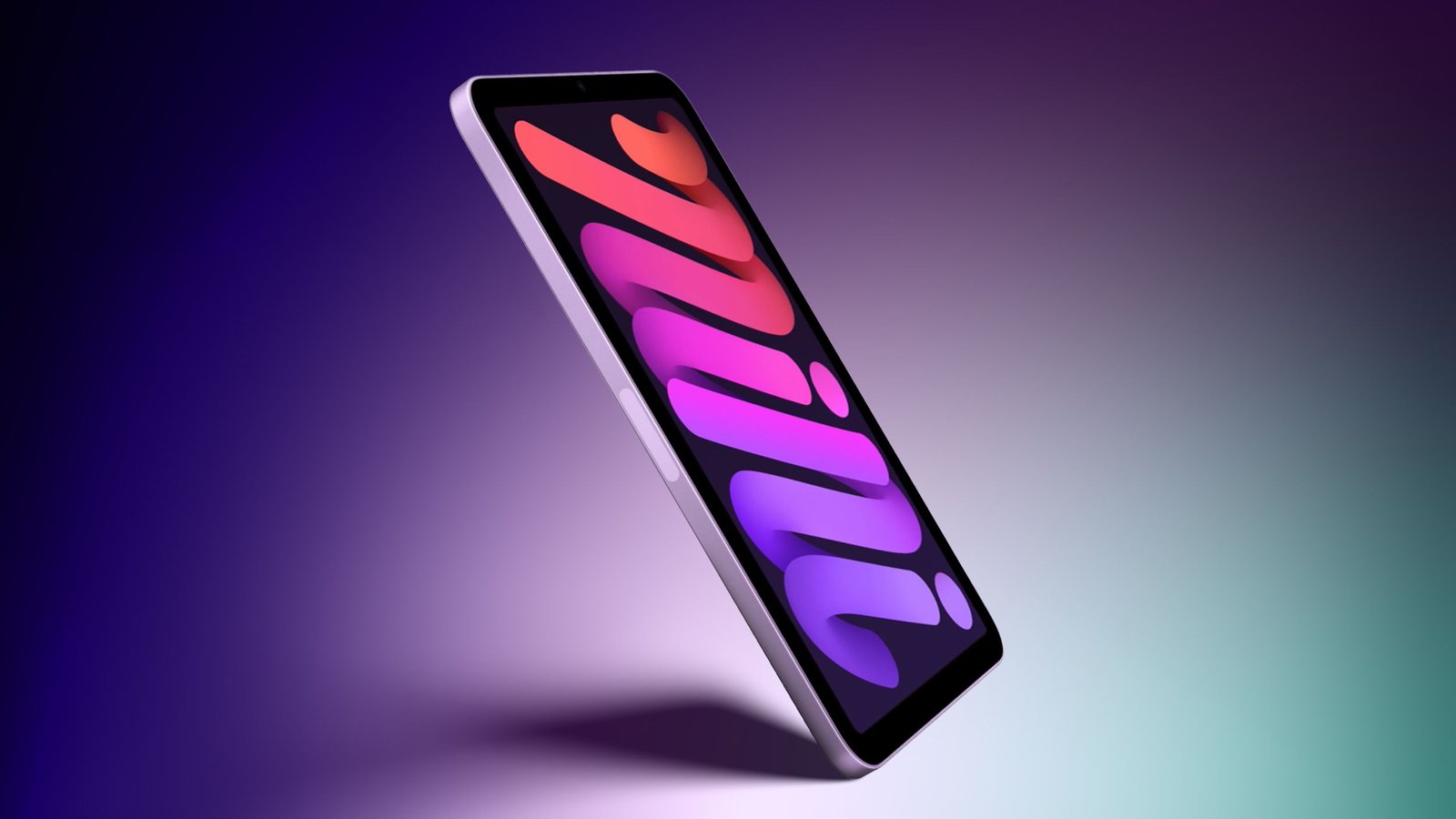
The A20 Pro Era: Redefining iPad Mini Performance
The latest leak regarding the upcoming iPad mini indicates a significant architectural shift that positions the compact tablet as a formidable powerhouse rather than a secondary consumption device. Central to this update is the integration of the A20 Pro chip. By moving to this advanced silicon, Apple is effectively narrowing the gap between its smallest tablet and its high-end professional hardware.
The A20 Pro represents a leap in transistor density and thermal efficiency. For users, this means that the iPad mini will be capable of handling high-demand tasks that were previously restricted to the larger iPad Pro lineup. Potential applications for this hardware include real-time 3D rendering, complex video editing workflows using professional software, and intensive gaming sessions that demand sustained high-frame-rate performance without throttling. The decision to bring a “Pro” branded chip into the mini form factor suggests that Apple intends to cater to power users who require portability without compromising on raw processing capabilities.
Enhanced Visuals with OLED Technology
Beyond the internal logic board, the most transformative hardware change is the transition to OLED display technology. The move from traditional LCD or even Mini-LED panels to OLED provides several technical advantages that enhance both productivity and media consumption. OLED panels are self-emissive, meaning each individual pixel produces its own light. This allows for true blacks, as pixels can be turned off entirely, resulting in an infinite contrast ratio.
For creative professionals who rely on the iPad mini for photo editing or graphic design, the move to OLED ensures significantly higher color accuracy and a wider color gamut. Furthermore, the efficiency gains associated with OLED panels contribute to better battery life, as the display consumes less power when rendering dark interfaces or media. Given that the upcoming launch also targets a touchscreen MacBook Pro with OLED, it is clear that Apple is standardizing its high-end visual experience across its product catalog to maintain visual consistency for professional workflows.
Reimagining the User Interface via Landscape Camera
The leaked code and internal images confirm a shift in the placement of the front-facing camera. By moving the sensor to a landscape orientation, Apple is aligning the iPad mini with the design language introduced in the larger iPad models. This is a practical response to the way users actually interact with their tablets today. Most users utilize the iPad mini in landscape mode when participating in video conferencing, attending virtual meetings, or watching streaming content.
A landscape-oriented camera ensures that the user is centered during video calls, providing a more natural line of sight. This design choice effectively turns the iPad mini into an ideal mobile workstation for remote communication. When paired with the upgraded speaker system noted in recent leaks, this configuration improves the overall utility of the device for virtual collaboration, reducing the need for external peripherals during travel or hybrid work scenarios.
Ecosystem Expansion: Apple TV 4K and HomePod Mini
Apple’s hardware refresh extends beyond portable tablets to the home entertainment ecosystem. The leak confirms that a new Apple TV 4K is on the horizon, likely featuring an upgraded processor to support higher-bitrate streaming and more complex interactive applications. As home gaming and interactive media continue to grow, the Apple TV 4K serves as the primary bridge between the mobile ecosystem and the living room.
Simultaneously, the refresh of the HomePod mini lineup, including new aesthetic additions, suggests that Apple remains committed to its smart home strategy. The leaked information suggests these devices will integrate more tightly with a new smart home hub, creating a more robust mesh network for home automation. The focus here is on low-latency communication between devices and improved voice recognition, enabling more complex automation routines that can be triggered through a unified home hub interface.
Impact on Professional and Personal Workflows
The synthesis of these updates—the A20 Pro chip, the OLED panel, and the strategic repositioning of cameras—indicates a shift in how Apple views the “mini” segment. It is no longer just a handheld device for reading or light tasks; it is a professional-grade tool capable of high-level output in a portable footprint. This evolution directly impacts users who operate in mobile-first environments.
For developers and content creators, the transition to the A20 Pro chip ensures that codebases or project files can be managed locally on the device rather than relying on cloud-based processing. The increased performance overhead allows for the seamless multitasking of heavy applications. As the boundaries between tablet and laptop capabilities continue to blur, the hardware specifications of this new iPad mini suggest it will serve as a bridge, offering desktop-class power with the distinct mobility advantages that only an eight-inch device can provide. With the official launch expected on October 27, the market is set to see if these hardware advancements will succeed in redefining the expectations for small-form-factor computing.
Disclaimer: This content is auto-generated for informational purposes only.
Source: Read Original News