






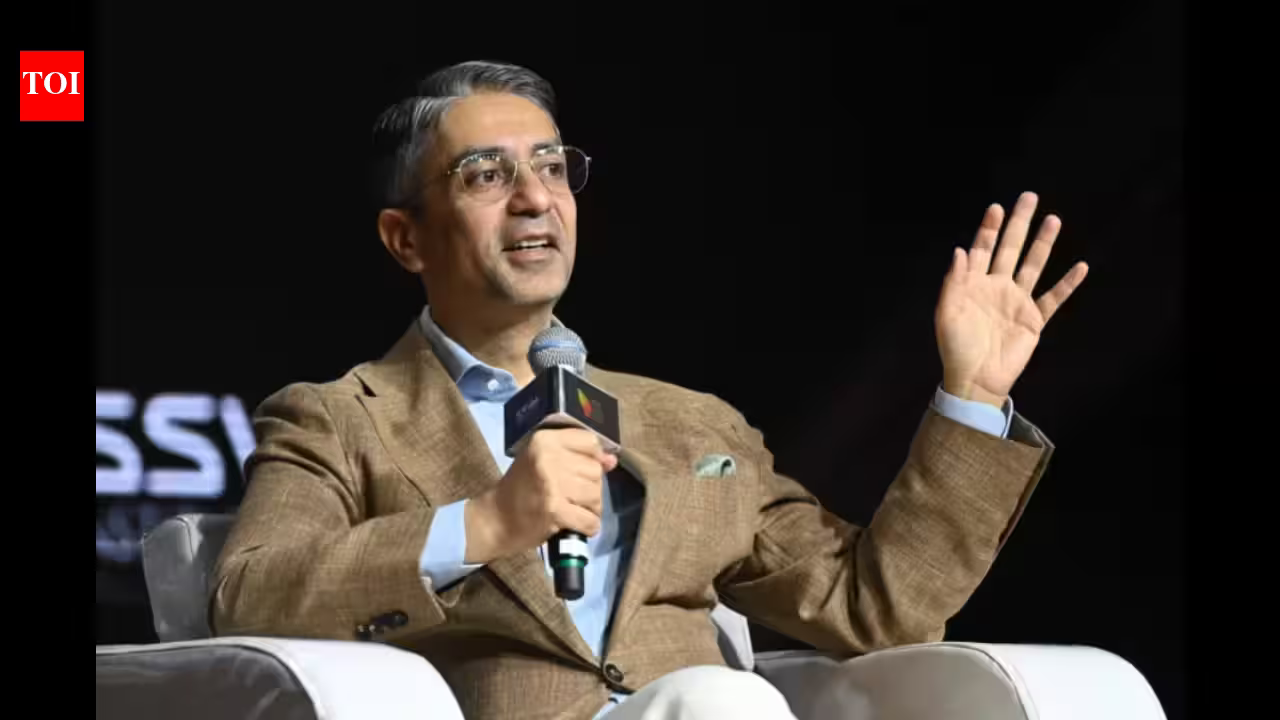
Curiosity, according to Indian shooting legend Abhinav Bindra, is not a byproduct of dissent, but the very engine of elite athletic performance. In a thought-provoking message shared this Friday, the 44-year-old icon—best remembered for capturing India’s first-ever individual Olympic gold medal in 2008—issued a clarion call for a cultural shift in how sporting establishments view athlete engagement. Bindra’s stance is clear: questioning authority is not an act of rebellion; it is a fundamental requirement for growth.
The Beijing 2008 gold medalist took to the social media platform X to advocate for an environment where the lines of communication between athletes and their support staff remain wide open. While he did not specify the exact catalyst for his comments, his message resonated as a critique of rigid coaching frameworks that prioritize blind compliance over intellectual development.
The Philosophy of the Curious Athlete
For Bindra, the distinction between a defiant athlete and a committed one lies in the motivation behind the inquiry. Throughout his storied career, which included a World Championship title and multiple accolades, Bindra was rarely a passive recipient of instruction. He argues that his success was directly proportional to his willingness to interrogate every aspect of his preparation.
“Throughout my sporting career, I questioned my coaches, challenged ideas and remained curious,” Bindra wrote. “Not because I lacked respect, but because I wanted to understand, learn and get better.”
This perspective challenges the traditional “coach-as-dictator” model that has historically dominated many sporting cultures. By encouraging athletes to analyze their own training, dissect the methodologies imposed upon them, and interrogate the structures within which they operate, Bindra believes we can cultivate a more resilient and self-aware generation of competitors.
Redefining Discipline
One of the most provocative points in Bindra’s discourse is his re-evaluation of the word “indiscipline.” In many high-performance ecosystems, a questioning athlete is often labeled as problematic or difficult. Bindra contends that this label is not only outdated but actively detrimental to long-term success.
“What some might consider indiscipline may, in fact, be essential to growth,” Bindra noted. “There is a difference between an athlete who refuses to learn and one who refuses to stop asking questions. Sport must be wise enough to recognise that difference.”
He warns that when athletes feel stifled or discouraged from seeking clarity, they eventually stop asking questions altogether. This silence, he argues, leads to intellectual stagnation, where an athlete performs tasks by rote rather than by mastery. If an athlete cannot understand the “why” behind their training regimen, their ability to execute that training under the intense pressure of a global stage becomes significantly compromised.
A Legacy Rooted in Intellectual Rigor
Abhinav Bindra’s advice carries the weight of a man who spent decades at the absolute pinnacle of sport. His journey from a precocious young shooter to an Olympic champion was characterized by an obsessive attention to detail. During his competitive years, he was known for his analytical approach, often seeking out the latest advancements in technology and physiology to shave fractions of a millimeter off his shot groups.
His transition into administration further solidified his perspective on the athlete’s role in the ecosystem. Having served as the vice-chair of the International Olympic Committee’s (IOC) Athletes’ Commission for eight years—a term that concluded earlier this year—Bindra has seen the inner workings of global sports governance. His experience on the administrative side has only served to reinforce his belief that the system needs more “thinking athletes” to evolve.
The Path Forward for Modern Coaching
As the landscape of professional sports becomes increasingly data-driven, the relationship between the athlete and the coach is undergoing a significant transformation. Bindra’s comments suggest that the modern coach should evolve into a facilitator of knowledge rather than a mere commander of effort.
The integration of sports science, psychology, and biomechanics requires athletes who are engaged partners in their own performance journeys. By inviting input and welcoming challenges to established ideas, coaches can foster a culture of mutual respect and high-level intellectual development.
Ultimately, Bindra’s message serves as a reminder that the goal of any high-performance program is the optimization of the human being. If the athlete is not allowed to voice their doubts or curiosity, that optimization is inherently limited. By reframing the dialogue between the mentor and the student, the sporting world can move toward a model where curiosity is recognized as the ultimate sign of commitment to one’s craft.
As Bindra’s career continues to serve as a blueprint for Indian sports, his latest intervention suggests that the most important tool in an athlete’s kit might not be their equipment, but their desire to keep asking, “Why?”
Disclaimer: This content is auto-generated for informational purposes only.
Source: Read Original News