





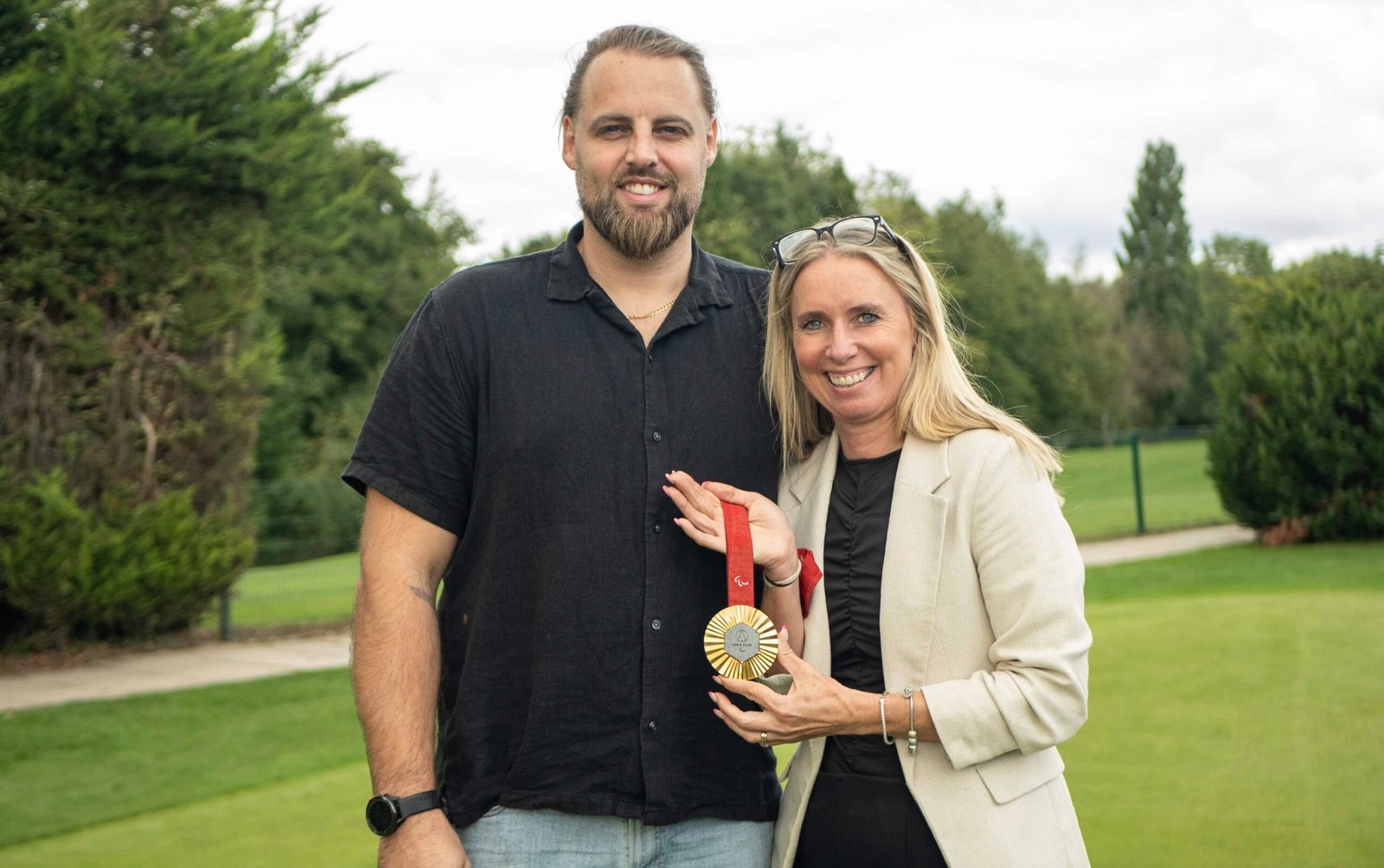
Wales Golf has officially announced the appointment of reigning Paralympic Games champion Matt Richards as its newest ambassador, marking a strategic pivot toward digital inclusivity and modernizing the sport’s outreach. By leveraging the profile of a gold-medal athlete, the national governing body aims to break down physical and societal barriers, utilizing emerging technology and data-driven engagement to expand the game’s footprint across the country.
Digital Innovation and Data-Driven Inclusion
The partnership arrives at a time when sports organizations are increasingly relying on AI-driven analytics and digital ecosystems to track grassroots participation. Wales Golf intends to integrate advanced mapping software and AI-powered scheduling tools—similar to those utilized in Google’s own local search and community engagement platforms—to connect potential players with accessible clubs.
“We are not just looking for traditional golfers,” a representative from the organization stated. “We are looking to utilize modern discovery tools to ensure that anyone, regardless of ability, can find a facility that meets their specific needs.” By harnessing Google’s suite of productivity tools and geospatial data, the organization plans to streamline the onboarding process for new players, using AI to match beginners with specialized coaching programs that mirror the high-performance training regimens of Paralympic athletes.
Bridging the Gap Through Technology
For Matt Richards, the role is as much about visibility as it is about practical support. The integration of modern mobile technology has made it easier than ever for athletes to share their progress and find local resources. Richards emphasized that the “democratization of information”—powered by search engines and video-sharing platforms—is critical for the next generation of golfers.
“When people see a Paralympic champion talking about the accessibility of local courses, it changes the narrative,” Richards noted. “By using the digital tools at our fingertips—whether that’s tracking a handicap on a mobile app or using Google Maps to find inclusive facilities—we are stripping away the intimidation factor that often keeps people away from the tee box.”
The Future of Adaptive Golf
The collaboration highlights a broader industry trend where the sports sector adopts sophisticated tech infrastructure to manage membership growth and community health. As golf continues to evolve, Wales Golf is exploring how machine learning can assist in personalizing coaching feedback for players with disabilities.
Furthermore, the organization is working to ensure that its digital footprint is fully accessible, aligning its web platforms with the latest accessibility standards often championed by major tech players like Google. By creating a seamless user experience, they aim to ensure that from the moment someone searches for “golf lessons near me” to the moment they book their first session, the path is clear, intuitive, and welcoming.
As Richards begins his tenure as ambassador, the focus will remain on these key technological levers. The goal is to ensure that the sport remains relevant in an era where engagement is mediated through screens as much as it is on the green. With a strong commitment to inclusivity and the help of digital innovation, Wales Golf is positioning itself as a leader in the movement to make golf a truly universal sport, proving that with the right combination of athletic mentorship and technological foresight, the barriers to entry are rapidly disappearing.
This move reflects a larger global shift in how governing bodies operate, moving away from archaic administrative methods and toward agile, data-literate models that utilize the best of modern tech to foster a more inclusive and active community. As this project moves forward, stakeholders will be looking closely at how these digital-first strategies translate to actual increases in regional participation.
Disclaimer: This content is auto-generated for informational purposes only.
Source: Read Original News