






New Delhi: The echoes of India’s historic triumph in the ODI World Cup last year have barely faded, yet the internal barometer of the women’s national team suggests that the road ahead is anything but smooth. As the Board of Control for Cricket in India (BCCI) and the coaching staff turn their gaze toward the inaugural Women’s Champions Trophy—scheduled to be hosted on home soil early next year—the atmosphere within the dressing room is one of transition, urgency, and undeniable pressure.
Winning on home turf is the ultimate ambition, but the road to the trophy is paved with structural hurdles that need immediate resolution. While the ambition is clear, the path is fraught with tactical inconsistency that threatens to derail a campaign before it truly begins.
The Middle-Over Malaise
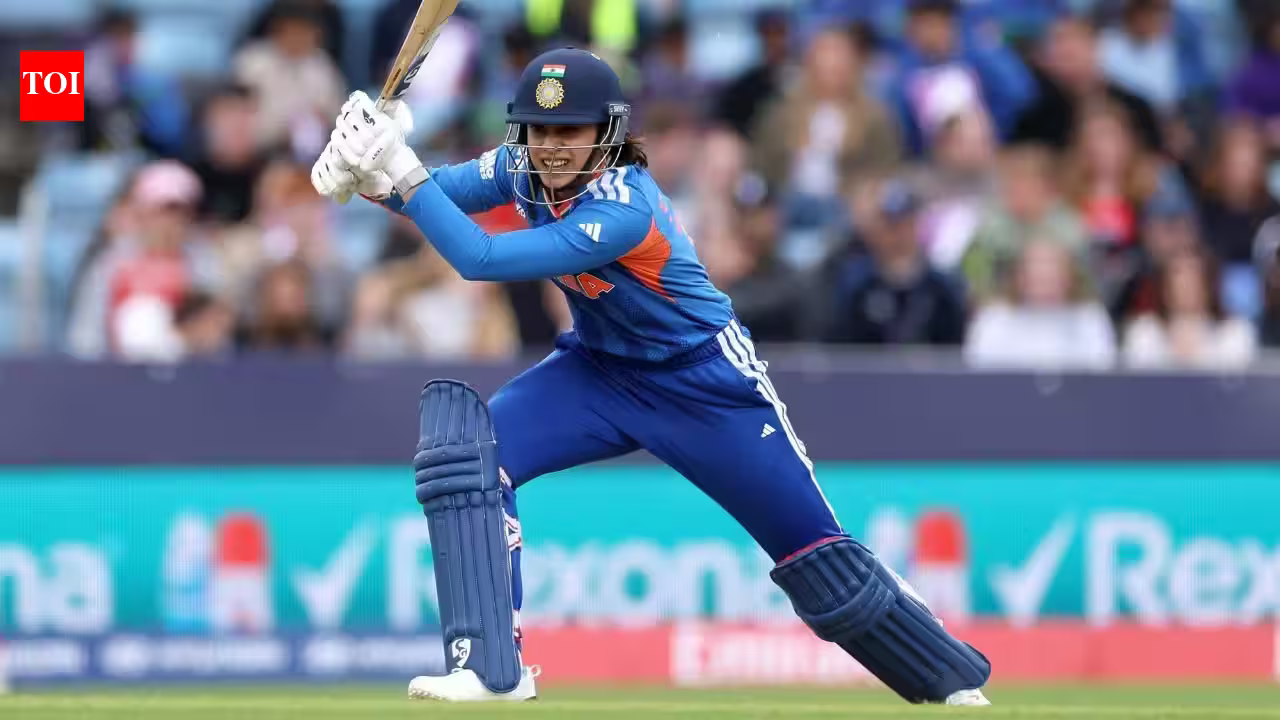
The foundation of modern ODI cricket is built on the platform laid by the opening pair. In Smriti Mandhana and Shafali Verma, India possesses arguably the most explosive opening duo in the women’s game. Time and again, they have provided flying starts, taking the opposition’s new-ball bowlers to the cleaners and setting a blistering tone for the powerplay.
However, the recurring narrative has been the team’s inability to capitalize on these starts. Once the field restrictions are lifted and the shine wears off the ball, the scoring rate frequently stagnates. The transition from the high-octane powerplay to the anchor-heavy middle overs has become a persistent “black hole” for the Indian batting lineup. Too often, the momentum built by Mandhana and Verma is squandered by a string of dot balls, allowing the opposition spinners to dictate terms and claw their way back into the contest. Bridging this gap requires a fundamental shift in approach, one that demands more intent and better strike rotation from those tasked with steadying the ship.
The Unsolved Puzzle at Number Three
If the middle-over slump is a concern, the instability at the number three position has become a full-blown crisis. The batting order’s first-drop spot, a role historically occupied by legends of the game, has recently resembled a high-stakes game of musical chairs.
Experimentation is a hallmark of any evolving side, but the constant chopping and changing at the vital one-down position suggests that the management has yet to find a player who can adapt to various match scenarios. Whether it is stabilizing after an early wicket or accelerating following a strong start, the number three batter is the heartbeat of the innings. Without a settled figure at this pivotal slot, the entire structural integrity of the lineup remains in flux, creating a sense of anxiety that ripples down to the rest of the order.
Harmanpreet Kaur Under the Microscope
Perhaps the most significant talking point remains the form of former captain Harmanpreet Kaur. A titan of the format, Kaur has long been the backbone of the Indian batting unit. However, her recent dip in form has become a point of intense scrutiny among fans and analysts alike.
Now operating as a specialist batter, the responsibility on Kaur’s shoulders has shifted, yet the pressure to perform has arguably intensified. Without the distraction of captaincy duties, there is an expectation that her focus will translate into the aggressive, game-changing knocks that once defined her career. The team needs their most experienced campaigner to rediscover her touch. When Kaur is in full flow, she is the engine room of the side; when she struggles, the entire middle order feels the absence of her authority. The Champions Trophy presents a homecoming of sorts for Kaur—an opportunity to silence the skeptics and anchor the batting unit during the tournament’s most demanding moments.
The Search for Firepower
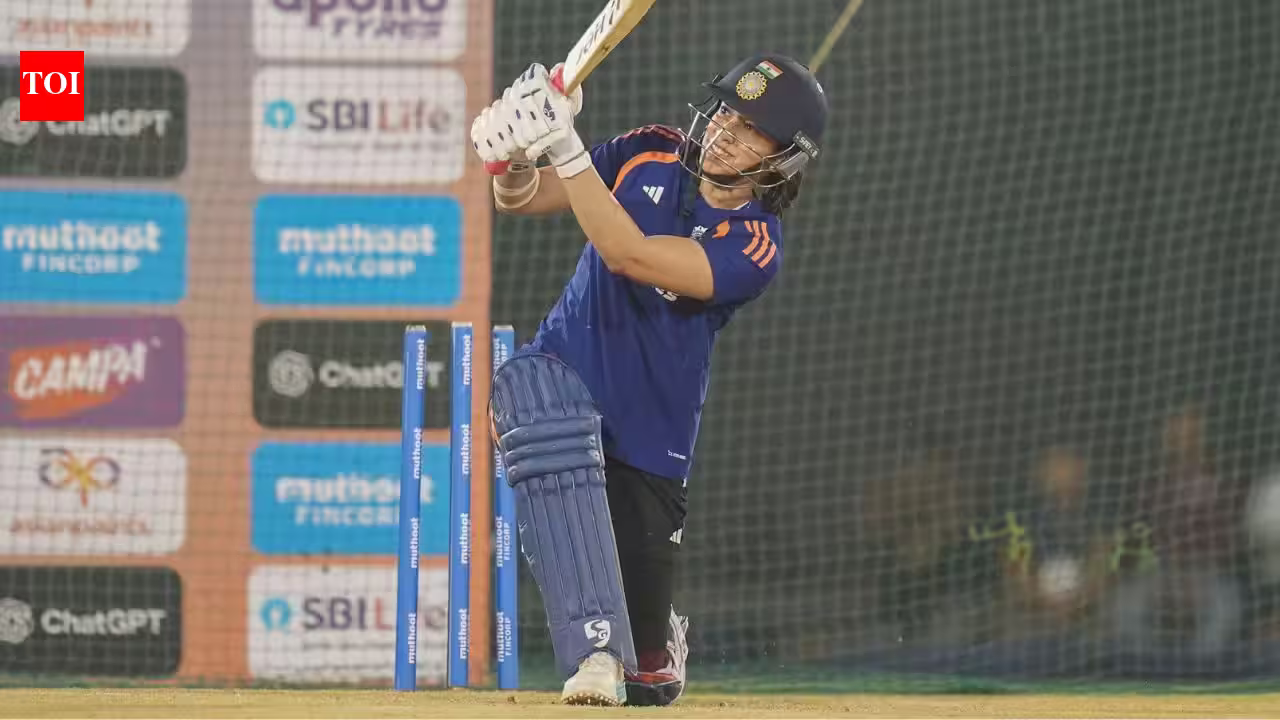
While the top and middle order navigate these challenges, the spotlight is also turning toward the tail. For too long, India has relied heavily on Richa Ghosh to provide the late-innings fireworks. Ghosh, with her ability to clear the ropes and manipulate the field, is a rare talent, but she cannot be expected to carry the burden of the death-overs assault entirely on her own.
To compete with the juggernauts of international cricket, India must groom more power hitters who can provide consistent support to Ghosh. The modern game is defined by late-order acceleration; teams that can score 60-plus runs in the final five overs are the ones that secure the silverware. Developing a cadre of finishers who can take the pressure off Ghosh and provide a cushion for the bowlers is a top priority for the coaching staff in the coming months.
The Home Advantage: A Double-Edged Sword
The prospect of winning the inaugural Women’s Champions Trophy on home soil is a tantalizing one. It offers a chance to galvanize the nation and cement India’s status as the epicenter of women’s cricket. However, history reminds us that home pressure is a different beast entirely.
The conditions will be favorable, but the weight of expectation will be suffocating. The side must look past the nostalgia of their previous World Cup success and acknowledge that the landscape of the sport is evolving rapidly. Every nation is analyzing their weaknesses, and every opponent will look to exploit the lack of fluidity in India’s middle-order batting.
Between now and the tournament’s start, the focus must shift from experimentation to execution. Roles must be defined, the middle-over approach must be modernized, and the depth of the batting lineup must be bolstered. India has the talent—that has never been in question. Whether they can piece together a cohesive, high-performance unit in time for the Champions Trophy will define their season and set the tone for the next generation of Indian cricket. The clock is ticking, and the fans are waiting to see if India can rise to the challenge.
Disclaimer: This content is auto-generated for informational purposes only.
Source: Read Original News