








The Arrival of the iPhone Duo
Apple has officially entered the foldable smartphone arena with the debut of the iPhone Duo, a device that signals a significant shift in the company’s mobile strategy. Following years of observing competitors like Samsung and Google navigate the complexities of foldable hardware, Apple has finally released its own interpretation of the form factor. The market response was immediate; preorders for the $1,999 handset sold out within minutes of the Friday launch, with shipping windows extending from the initial late October date well into January of the following year. This enthusiastic consumer reception highlights the strong brand loyalty Apple commands, even when entering a mature category long dominated by others.
Hardware Specifications and Design Innovations
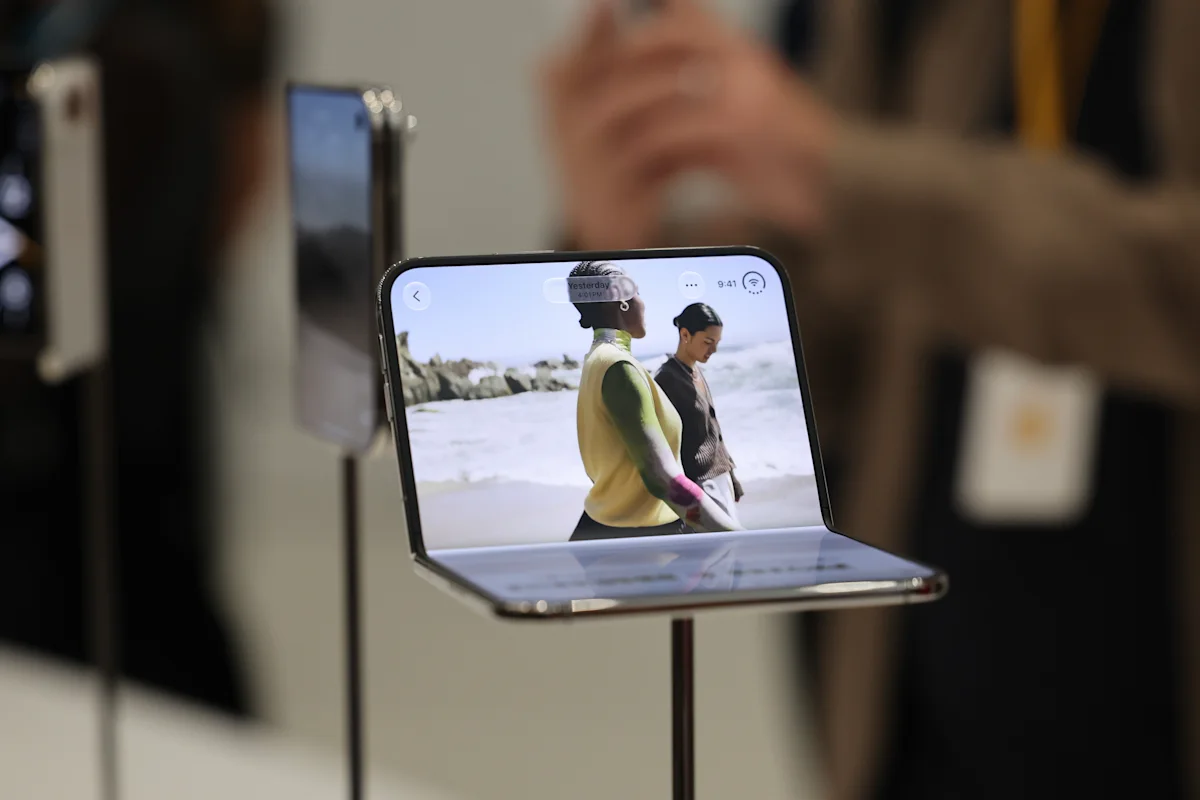
The iPhone Duo is designed with a “book-style” architecture that balances portability with expanded screen real estate. When closed, the device functions like a standard smartphone with a 5.4-inch front display. Upon opening the chassis, users are presented with a expansive 7.6-inch inner screen. A critical engineering hurdle for foldable devices has always been the visible hinge crease that appears where the screen bends. Apple addresses this through the integration of a specialized nano-texture finish on the display panel. This surface treatment serves a dual purpose: it minimizes ambient light glare and effectively hides the central crease, providing a nearly uniform visual experience that maintains the aesthetic standards expected of the brand.
Multitasking and Functional Versatility
The software experience on the iPhone Duo has been overhauled to leverage the larger internal display. The device supports sophisticated multitasking features, such as running two distinct applications side by side or opening two windows of the same application simultaneously. The operating system includes fluid transitions that allow apps to shift seamlessly from the smaller outer display to the expansive main screen without requiring a reboot or manual resizing.
Hardware-based flexibility is another pillar of the design. The hinge mechanism allows the phone to be positioned at various angles, similar to a laptop. This “standing mode” enables users to place the device on a surface to consume media or use it as a persistent, high-powered desk clock. By allowing the phone to function in these semi-folded states, Apple provides users with utility that traditional smartphones cannot replicate.
Camera Technology and User Interaction
Apple has implemented specific camera features tailored to the foldable design. One notable innovation is the use of the front display as a real-time monitor for subjects. When the phone is unfolded to take a photograph, the person in front of the lens can see a preview of the frame on the outer screen. This functionality is intended to eliminate the common frustration of misalignment or dissatisfaction with photos taken by others.
The rear camera system includes both wide-angle and ultrawide-angle sensors, though it notably omits a dedicated telephoto lens. For video conferencing, the device utilizes Apple’s Center Stage technology, which digitally pans and zooms to keep the subject centered in the frame. Additionally, the device features a hidden FaceTime camera located beneath the main foldable panel, ensuring that the primary screen remains uninterrupted by physical cutouts.
Market Impact and Future Projections
The entry of the iPhone Duo into the market is expected to act as a catalyst for the foldable category. While foldables currently occupy a niche portion of the global smartphone landscape, their presence is expanding. Market research firm IDC notes that, of the 1.25 billion total smartphone units projected for 2025, only about 20.6 million were expected to be foldables. However, the industry is witnessing consistent growth.
According to data from Counterpoint Research, total lifetime shipments for foldable smartphones are set to surpass 100 million units by the end of 2026. Projections suggest that these devices could account for approximately 10% of the total smartphone market by 2029. By legitimizing this category with the Apple ecosystem, the iPhone Duo is likely to accelerate these adoption rates, shifting foldable handsets from a luxury curiosity to a mainstream standard. The company’s historical tendency to wait for a technology to mature before refining and scaling it has proven successful with previous product lines, and analysts remain attentive to whether this trajectory will hold true for the Duo.
Disclaimer: This content is auto-generated for informational purposes only.
Source: Read Original News