







NEW DELHI — In a sweeping overhaul designed to transform India into a global sporting powerhouse, the Union Ministry of Youth Affairs and Sports has unveiled a stringent and comprehensive set of revised guidelines for National Sports Federations (NSFs). With an ambitious total outlay of Rs 7,386.74 crore spanning the 2026-27 to 2030-31 period, the directive marks a definitive shift toward transparency, grassroots development, and fiscal accountability.
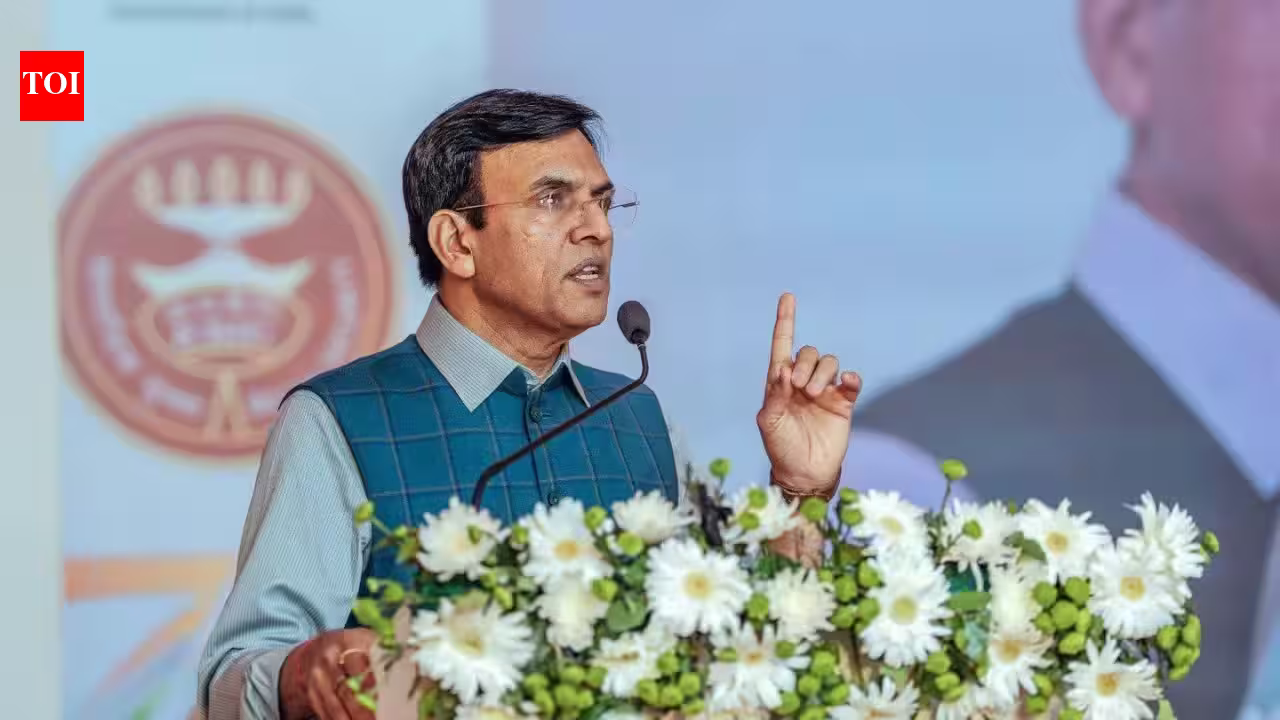
Union Sports Minister Mansukh Mandaviya spearheaded the initiative, which seeks to professionalize the way federations manage everything from athlete selection to the hosting of prestigious international tournaments.
Selection policies and international event hosting
Transparency is the cornerstone of the new mandate. Following years of public outcry and legal challenges surrounding squad selections for high-profile events like the Asian Games and Commonwealth Games, the Ministry has introduced mandatory timelines for selection policies. Under the new rules, NSFs must publish their selection criteria for continental or world championships at least one year in advance. For multi-sport events—where quota systems and qualification pathways are notoriously complex—the criteria must be made public at least two years prior to the event.
This move is designed to eliminate the ambiguity that has previously plagued athlete preparation. Simultaneously, the Ministry is positioning India as a global host. With India officially bidding to host the 2030 Commonwealth Games and the 2038 Asian Games in Ahmedabad, along with aspirations for the 2036 Summer Olympics, the government has formalized financial assistance for hosting international events on home soil. Depending on the scale and strategic importance of the competition, funding for hosting world championships in Olympic sports could reach as high as Rs 50 crore, subject to oversight by a dedicated assessment committee.
Greater emphasis on grassroots development
The government is also moving to curb the “top-heavy” nature of sports administration. The revised guidelines mandate that NSFs earmark at least 20% of their annual budget specifically for grassroots development. This represents a significant pivot toward identifying talent at the local level rather than relying solely on established stars.
Furthermore, the Ministry has implemented strict safeguards against “early specialization,” age fraud, and overtraining—issues that have long hindered the sustainability of Indian sports. Federations are now tasked with creating structured junior development pathways that emphasize holistic physical development, ensuring that the next generation of champions is nurtured through scientific training rather than exploited for short-term gains.
Olympic Training Centres and coaching support
A major challenge for Indian athletes has been the historical dependence on overseas training facilities. To address this, the Ministry is rolling out plans for sport-specific “Olympic Training Centres.” These facilities will be equipped with cutting-edge technology and sports science services, aiming to provide world-class training environments domestically.
The coaching model is also receiving a facelift. While the hiring of foreign expertise remains an option within the new funding framework, the Ministry has introduced a “knowledge transfer” clause: at least five Indian coaches must shadow every foreign specialist during their tenure. This condition is designed to build a pipeline of high-performance domestic expertise, eventually reducing the long-term reliance on international hires. To maintain competitive excellence, performance-linked bonuses for foreign coaches have been capped at 20% of their annual salary, ensuring that incentives remain aligned with measurable outcomes.
Medical support and financial oversight
The physical health of athletes is now a formal requirement for funding. Federations are obligated to establish clear, sport-specific protocols for injury management and “return to training” pathways. Any federation failing to define these protocols will be rendered ineligible for financial support. Furthermore, all elite athletes under the scheme must undergo quarterly medical assessments that track biomechanics, fitness levels, and overall health.
Financial discipline is equally prioritized. The Ministry has tightened the leash on administrative expenses, capping general administration and support at 10% of the allocated funds. All procurement must adhere to strict financial procedures, and federations are required to submit utilization certificates verified by chartered accountants empanelled with the Comptroller and Auditor General (CAG). This rigid oversight is aimed at ensuring that every rupee of the Rs 7,386.74 crore budget is spent on athlete growth rather than administrative bloat.
Support for indigenous sports and international cooperation
Beyond the Olympic movement, the Ministry is looking to cement India’s influence in the international arena through indigenous sports. The guidelines provide dedicated support for promoting traditional Indian sports on the global stage, including efforts to gain international recognition and establish federations abroad.
In a move that mirrors India’s broader diplomatic efforts, the policy encourages cooperation with countries in the “Global South.” By opening up Indian high-performance centres to athletes and coaches from developing nations, India is positioning itself as a regional hub for sporting excellence and knowledge exchange.
As the implementation phase begins, the success of these guidelines will ultimately hinge on the cooperation of the NSFs. For the Indian sports ecosystem, this is not just a funding boost—it is a mandate for excellence, a demand for transparency, and a roadmap for a nation that is no longer content to participate, but is determined to lead.
Disclaimer: This content is auto-generated for informational purposes only.
Source: Read Original News