








India Rises as Global Powerhouse for World Bank-Led Private Capital Mobilisation
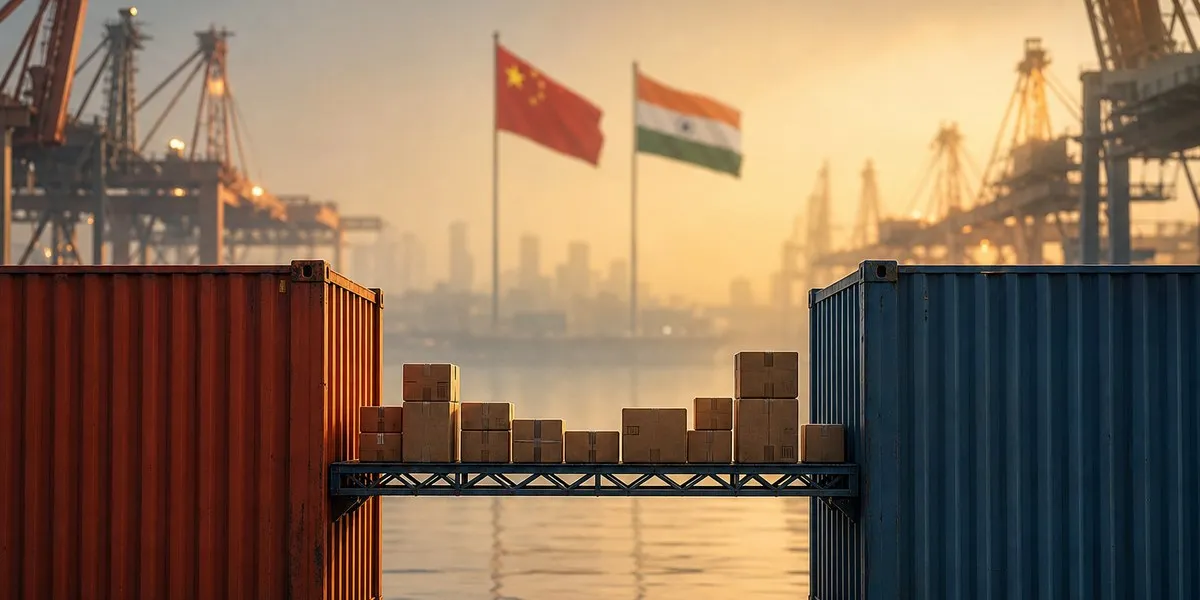
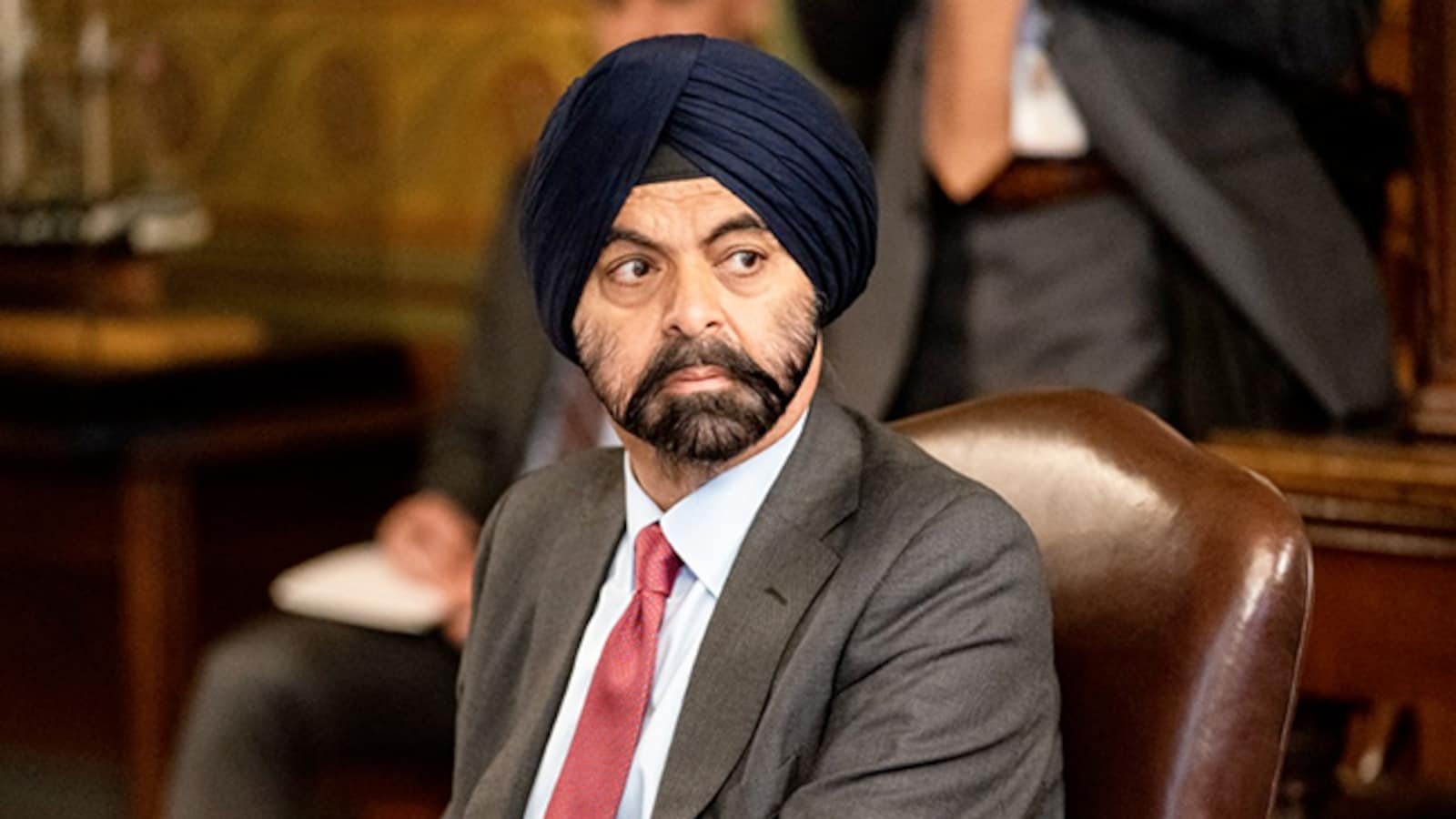
India has cemented its status as a vital player in the international financial ecosystem, emerging as one of the top three global sources of private capital mobilised by the World Bank Group. World Bank President Ajay Banga, speaking at the annual plenary meeting in Bangkok, underscored the nation’s pivotal role in driving development financing alongside established economic powerhouses like the United States and the United Kingdom.
This recognition comes as the World Bank reports a significant shift in its operational strategy, focusing heavily on bridging the gap between public and private investment to foster global growth.
A Surge in Global Mobilisation
According to data presented by Banga, the institution has seen a remarkable threefold increase in private capital mobilisation, rising from $35 billion in the 2022 fiscal year to $112 billion last year. When combined with the Bank’s internal financing, total support for development projects surged past $230 billion.
Banga noted that the impact of these efforts has been geographically diverse, with investment mobilisation nearly quadrupling in upper-middle-income countries and more than doubling across Africa. However, the World Bank chief acknowledged that persistent hurdles remain in attracting commercial interest to the world’s most impoverished regions, where private capital mobilisation has plateaued at approximately $3 billion.
Expanding Horizons in Critical Minerals
A cornerstone of the World Bank’s future strategy is a robust expansion into the critical minerals sector. Recognizing the materials’ essential role in modern manufacturing, renewable energy, and emerging technologies, Banga announced plans to quintuple the institution’s business in this sector over the next five years.
The Bank is spearheading a new initiative involving country compacts with multilateral partners to help developing nations build local industries. By transitioning away from mere mineral extraction, the strategy aims to help resource-rich economies retain more economic value, create local jobs, and foster industrial growth. Currently, the Bank has identified 20 candidate countries to pilot these partnerships.
Addressing the Looming Global Jobs Gap
The World Bank’s financial maneuvers are part of a broader, urgent effort to mitigate a massive looming employment crisis. Projections indicate that over the next 10 to 15 years, 1.2 billion young people will enter the global workforce, while only 400 million jobs are expected to be created. This leaves a daunting shortfall of 800 million jobs.
“The jobs gap is a projection. It does not have to be our future,” Banga stated, emphasizing that the institution is actively deploying a mix of infrastructure investment, regulatory reform, and financial de-risking instruments to stimulate job creation.
Streamlining Development Finance
Beyond direct investment—which saw $40 billion committed to healthcare, infrastructure, and education last year—the World Bank is collaborating with five other multilateral development banks to establish common standards for packaging and transferring investments. This systemic change is designed to help banks release capital tied up in existing projects, effectively creating more liquidity to finance new, high-impact development initiatives.
As India continues to play a leading role in this international effort, its partnership with the World Bank highlights a shift in global development finance, moving toward a more integrated, private-sector-friendly model aimed at securing long-term economic stability.
Disclaimer: This content is auto-generated for informational purposes only.
Source: Read Original News