








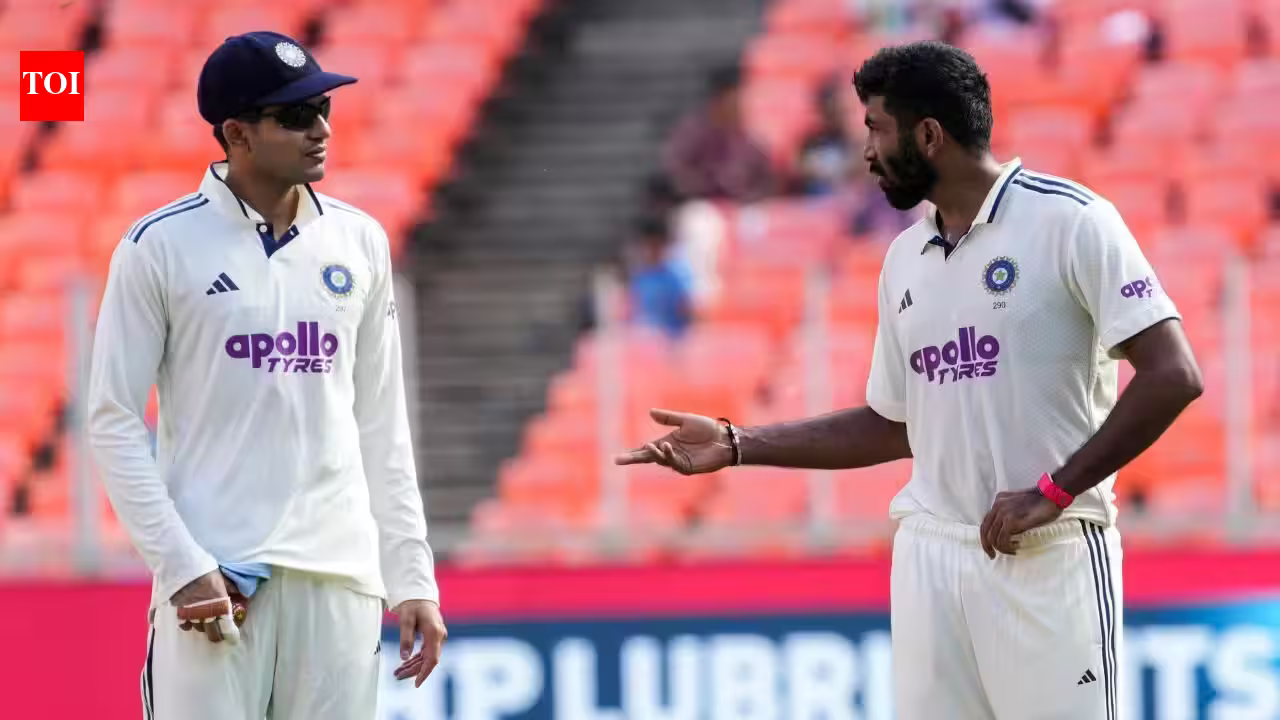
BUMRAH RETURNS as the centerpiece of a revamped Indian contingent, as the Board of Control for Cricket in India (BCCI) officially unveiled its blueprints for the upcoming tour of New Zealand. With the World Test Championship (WTC) final qualification window narrowing, the selectors have opted for a strategic blend of seasoned leadership and explosive potential to navigate the challenging Kiwi conditions.
The announcement, delivered on Friday, marks a pivotal shift for the Men in Blue. While the spotlight inevitably lands on the return of spearhead Jasprit Bumrah to the Test arena, the squad reveals a deeper commitment to versatility, balancing the immediate demands of white-ball cricket with the technical rigors of the longest format.
Bumrah Leads the Charge; Test Squad Bolstered
The inclusion of Jasprit Bumrah in the 15-member Test squad is a massive psychological and tactical victory for India. Having missed the recent Sri Lanka series due to a lingering injury that forced a late withdrawal, his return bolsters a pace attack that will be tested by the seaming decks of Wellington and Christchurch. Bumrah’s ability to extract movement from even the most docile surfaces makes him the perennial X-factor in India’s quest to maintain their WTC standing.
Joining him in the pace department are Akash Deep and Anshul Kamboj. Akash Deep’s resurgence is a testament to his resilience; having overcome a stress fracture that sidelined him following his stellar performances in England, he returns to the international fold with a point to prove. Kamboj, meanwhile, earns a recall after being dropped following his debut last year, signaling that the selectors are looking for high-ceiling talent to provide depth in the pace bowling unit.
Perhaps the most scrutinized name on the team sheet is that of wicketkeeper-batter Rishabh Pant. Following a mid-match injury during the domestic Irani Trophy that kept him out of the India A tour of New Zealand, his inclusion is officially “subject to fitness.” His presence behind the stumps and his ability to counter-attack with the bat are non-negotiable elements of India’s current Test philosophy.
Tactical Rotations and Leadership Transitions
The BCCI’s approach to the five-match ODI series preceding the Tests reflects a nuanced understanding of workload management. Regular captain Shubman Gill, who will lead the Test side, will be managing his focus across formats, while the ODI leadership sees a tactical transition.
In a move to groom long-term leadership, Shreyas Iyer has been named captain for the final two ODIs. This split-captaincy strategy allows Gill to shift his preparation toward the red-ball requirements early, ensuring that the Test squad is acclimatized to the nuances of Kiwi conditions before the first ball is bowled in Wellington on November 19. The squads for the shorter format are teeming with fresh talent, including Gurnoor Brar and Auqib Nabi, providing a glimpse into the future of India’s limited-overs depth.
The Road to the World Test Championship
The two-Test series, commencing in Wellington and concluding with a second Test in Christchurch on November 27, serves as a litmus test for India’s WTC aspirations. With the points table becoming increasingly congested, every session in New Zealand will carry the weight of tournament qualification.
The spin department remains steady, with Kuldeep Yadav retaining his place in the setup. His ability to act as a pivot in the middle overs, combined with the presence of Ravindra Jadeja and Washington Sundar, provides India with the kind of all-round balance that is essential for winning away from home. Notably, left-arm spinner Manav Suthar has been left out, a decision that highlights the intense competition for spots within the spin-bowling hierarchy.
A New Zealand Test for Indian Resilience
The conditions in New Zealand—notorious for their lateral movement and bounce—have historically been a difficult terrain for Indian batters. With the leadership of Shubman Gill and the experience of KL Rahul as vice-captain, the batting order appears structured to withstand early-morning pressure. The presence of young talents like Yashasvi Jaiswal and Sai Sudharsan suggests a move toward aggression, provided they can adapt to the moving ball.
As the squad prepares for the departure to Wellington, the overarching narrative is clear: this is a team built for the transition. With the blend of Bumrah’s leadership in the field and the calculated rotation of the ODI squad, the BCCI is betting on a high-octane finish to the calendar year. For the fans, the message is simple: the New Zealand tour is not just another series—it is the bridge to the ultimate goal of World Test Championship glory.
The stage is set. From the opening delivery in Wellington to the final day of the second Test in Christchurch, the eyes of the cricketing world will be fixed on the Black Caps’ home turf, waiting to see if this revamped Indian outfit has the mettle to conquer the southern hemisphere.
Disclaimer: This content is auto-generated for informational purposes only.
Source: Read Original News