







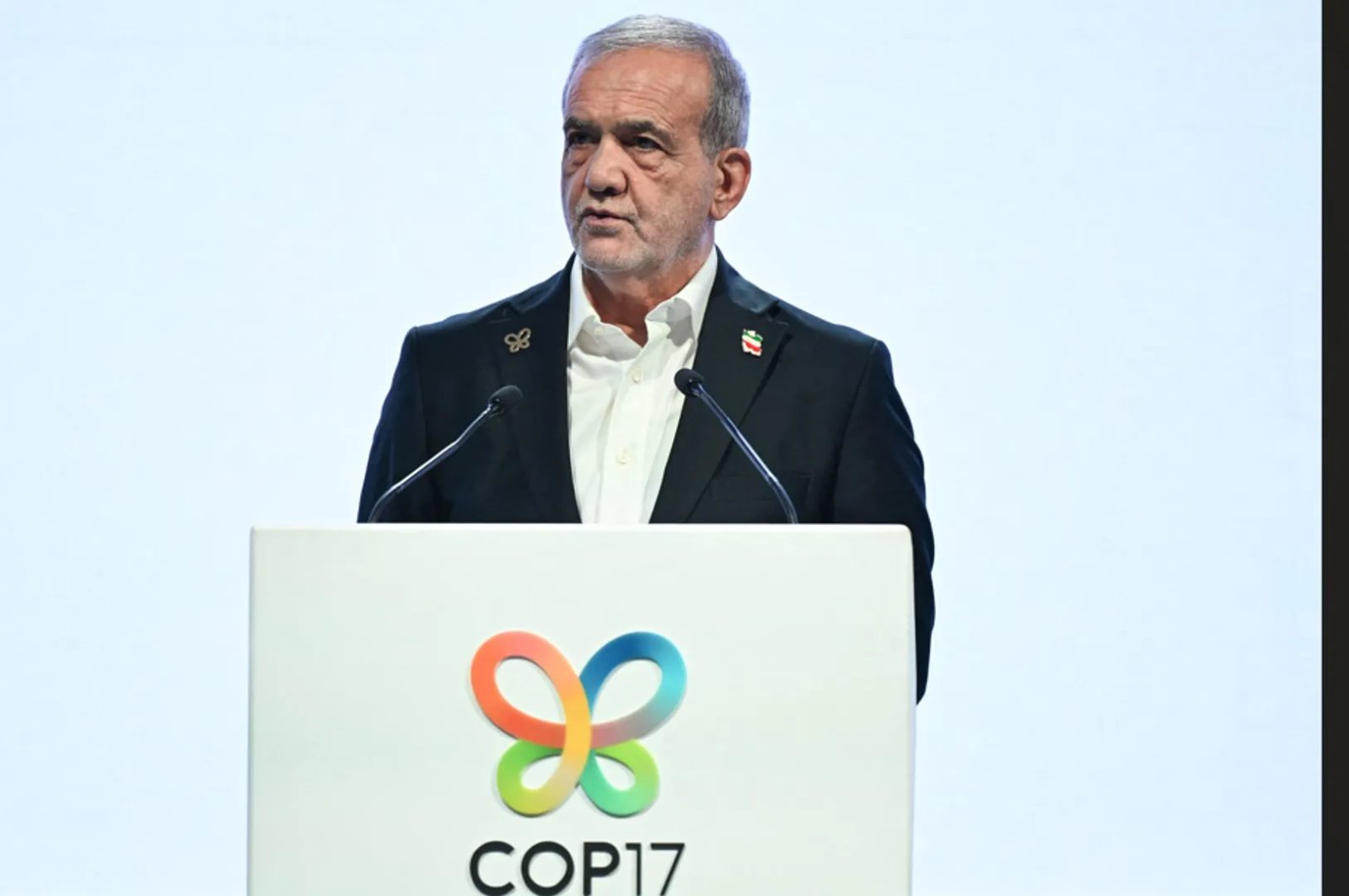
Iranian President Masoud Pezeshkian has issued a stark warning regarding the catastrophic environmental consequences of ongoing military conflicts in the Middle East, characterizing the systematic destruction of ecosystems as a form of “environmental genocide.” Addressing a high-level United Nations biodiversity summit held in Armenia on October 16, 2026, Pezeshkian urged the international community to recognize the ecological toll of warfare as a global priority, rather than merely a localized byproduct of geopolitics.
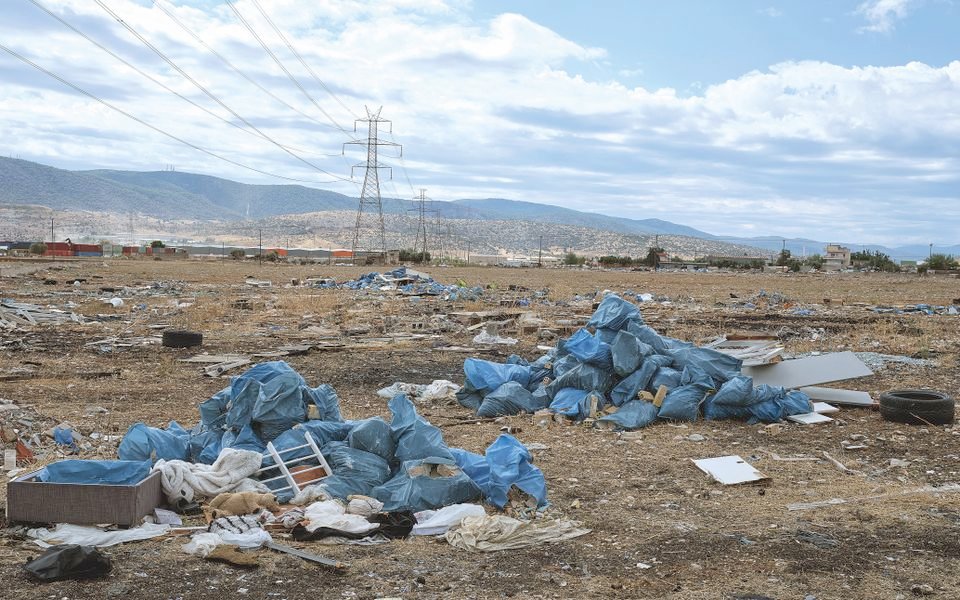
In his address to world leaders, the President highlighted that the devastation of landscapes, contamination of water supplies, and destruction of biodiversity are not collateral damage, but permanent scars on the Earth’s biosphere. “The systematic destruction of nature under the guise of military necessity is an environmental genocide that transcends borders,” Pezeshkian stated, calling for a unified international framework to hold combatants accountable for the irreversible damage inflicted upon the planet.
The Middle East, a region already facing extreme vulnerability due to climate change, water scarcity, and desertification, has seen its environmental resilience severely compromised by decades of instability. Experts note that modern warfare—characterized by the use of heavy artillery, incendiary weapons, and the targeting of critical infrastructure—leaves behind toxic footprints that persist for generations. From the leaching of heavy metals into agricultural soil to the contamination of groundwater aquifers, the long-term impact on public health and food security is becoming a major point of concern for environmentalists and policymakers alike.
The summit in Armenia serves as a critical platform for discussions on the post-2020 Global Biodiversity Framework. Pezeshkian’s intervention underscored a growing sentiment among regional leaders that international climate agreements must address the intersection of war and climate change. Currently, most international climate accords focus primarily on industrial emissions, with the carbon footprint and ecological impact of military operations remaining largely under-regulated and under-reported.
Beyond the immediate loss of flora and fauna, the President emphasized the humanitarian aspect of environmental degradation. In conflict-torn zones, the destruction of ecosystems disproportionately impacts marginalized communities that rely on natural resources for their livelihoods. When forests are razed or wetlands destroyed during combat, the resulting loss of ecosystem services—such as natural flood mitigation and soil erosion control—exacerbates the vulnerability of populations already suffering from displacement and poverty.
Pezeshkian’s proposal for “international solutions” suggests a shift toward integrating ecological protection into peace negotiations and international law. By framing environmental destruction as an act of “genocide,” Iran is attempting to elevate the status of nature conservation to a matter of international human rights, potentially seeking to expand the definitions of war crimes to include intentional, large-scale environmental devastation.
The summit participants acknowledged the difficulty of enforcing such standards in volatile regions where diplomatic consensus is often elusive. However, the urgency of the President’s message resonated with delegates, as climate data continues to show that the Middle East is warming at twice the global average.
As the summit proceeds, the focus remains on whether these diplomatic calls to action can move beyond rhetoric. For regions gripped by conflict, the environment is often the silent casualty. Pezeshkian’s appeal challenges the international community to reconsider whether the quest for regional dominance is worth the permanent sacrifice of the very land that sustain the future of its people. As the world watches, the demand for accountability for “environmental genocide” may become a pivotal element in future environmental governance and international security agendas.
Disclaimer: This content is auto-generated for informational purposes only.
Source: Read Original News