








Beijing Signals Willingness to Address Trade Imbalance Following India’s Critique
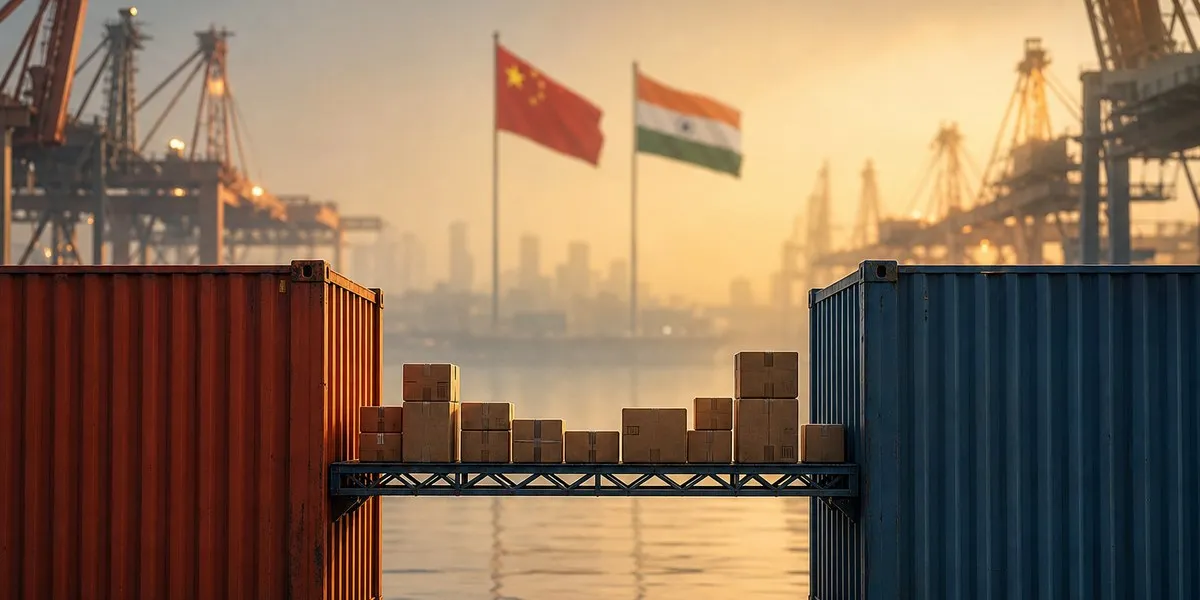
In a notable shift in diplomatic tone, China expressed its readiness on October 16 to collaborate with New Delhi to resolve outstanding economic and trade disputes. This development follows pointed criticism from Indian Finance Minister Nirmala Sitharaman, who recently highlighted systemic barriers preventing Indian goods from accessing the Chinese market.
The Growing Trade Deficit Crisis
The friction between the two Asian giants comes against a backdrop of deeply lopsided trade figures. Reports indicate that India’s trade deficit with China has surged, crossing the $100 billion mark within the first nine months of the current year alone.
Finance Minister Sitharaman has been vocal about the implications of this growing imbalance. Despite years of persistent diplomatic engagement with Beijing, she noted that Indian exporters continue to face significant, structural hurdles when attempting to enter the Chinese market. These restrictive policies, according to New Delhi, have hindered the potential for a more balanced bilateral trade relationship and have long been a focal point of concern for Indian policymakers seeking to protect domestic industries.
China’s Stance on Economic Relations
Responding to the concerns raised by the Indian Finance Ministry, Chinese Foreign Ministry spokesperson Mao Ning addressed the issue during a press briefing. When asked about the growing dissatisfaction in New Delhi regarding market access, Mao asserted that China does not deliberately pursue a trade surplus.
“China never seeks a trade surplus,” Mao stated, reiterating Beijing’s formal position on the matter. She further emphasized that China is willing to work with the Indian side to address mutual concerns. However, the spokesperson stopped short of outlining specific policy changes or concessions, sticking instead to standard diplomatic rhetoric regarding the necessity of constructive cooperation.
Persistent Strains in Bilateral Ties
The trade deficit issue is one of several friction points complicating the relationship between India and China. While the two nations are significant economic partners, the disparity in trade flow has consistently been a point of contention. For years, Indian officials have argued that while Chinese goods enjoy relatively frictionless entry into India, Indian businesses—particularly in the agricultural, pharmaceutical, and information technology sectors—face a labyrinth of regulatory challenges and non-tariff barriers when trying to penetrate the Chinese economy.
Economists observe that for the trade relationship to stabilize, Beijing would likely need to offer more than verbal assurances. The massive $100 billion deficit suggests a fundamental misalignment that cannot be corrected through dialogue alone. Whether this recent overture from Beijing marks a genuine intent to lower trade barriers or serves as a tactical move to manage diplomatic optics remains to be seen.
As the situation develops, observers will be watching to see if the proposed “working together” translates into tangible policy shifts that grant Indian exporters the long-sought parity in the Chinese market. Until then, the imbalance remains a critical test for the future of India-China economic cooperation, leaving New Delhi to weigh its diplomatic overtures against the stark reality of the current trade figures.
Disclaimer: This content is auto-generated for informational purposes only.
Source: Read Original News