







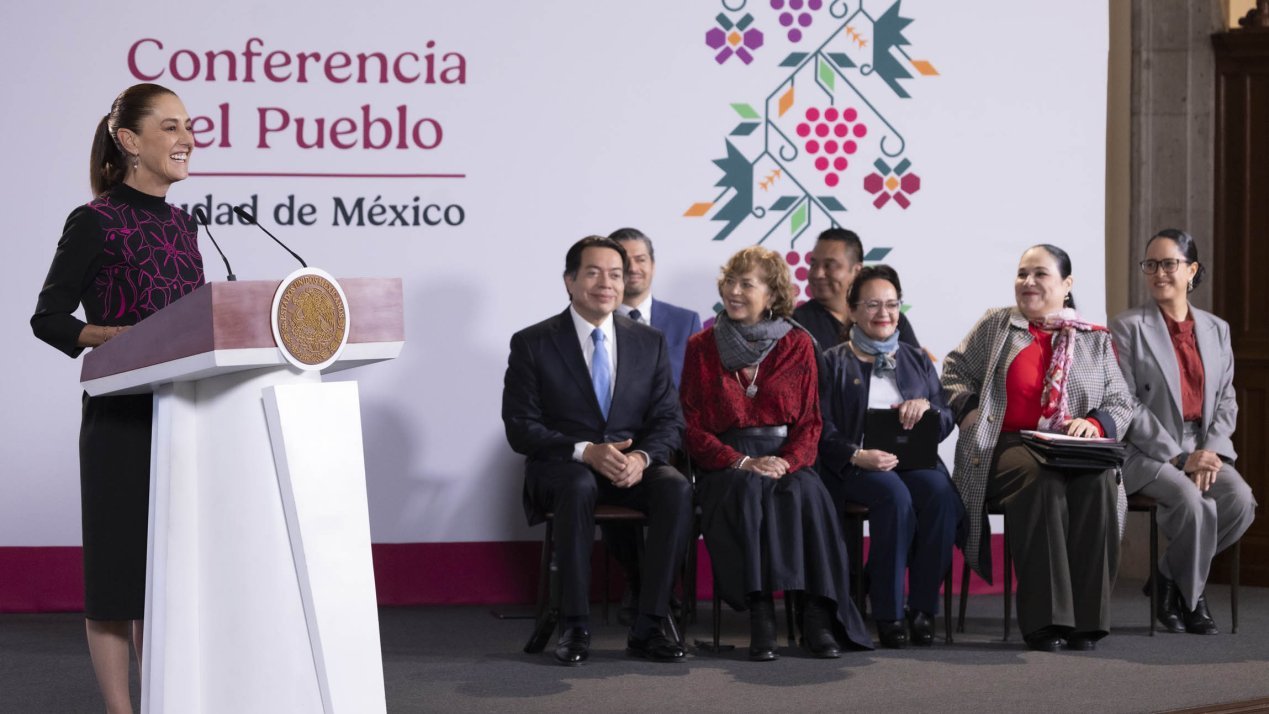
Mexico is riding a wave of industrial growth as the administration of President Claudia Sheinbaum reports a significant 26% surge in national exports. This uptick, backed by data from the Economic Commission for Latin America and the Caribbean (ECLAC), is largely driven by a robust recovery in the automotive sector and a spike in demand for data center infrastructure from the United States. As artificial intelligence and cloud computing continue to command massive global investment, Mexico is positioning itself as a vital manufacturing hub for the hardware powering these digital advancements.
Tech Giants and Digital Safety Regulations
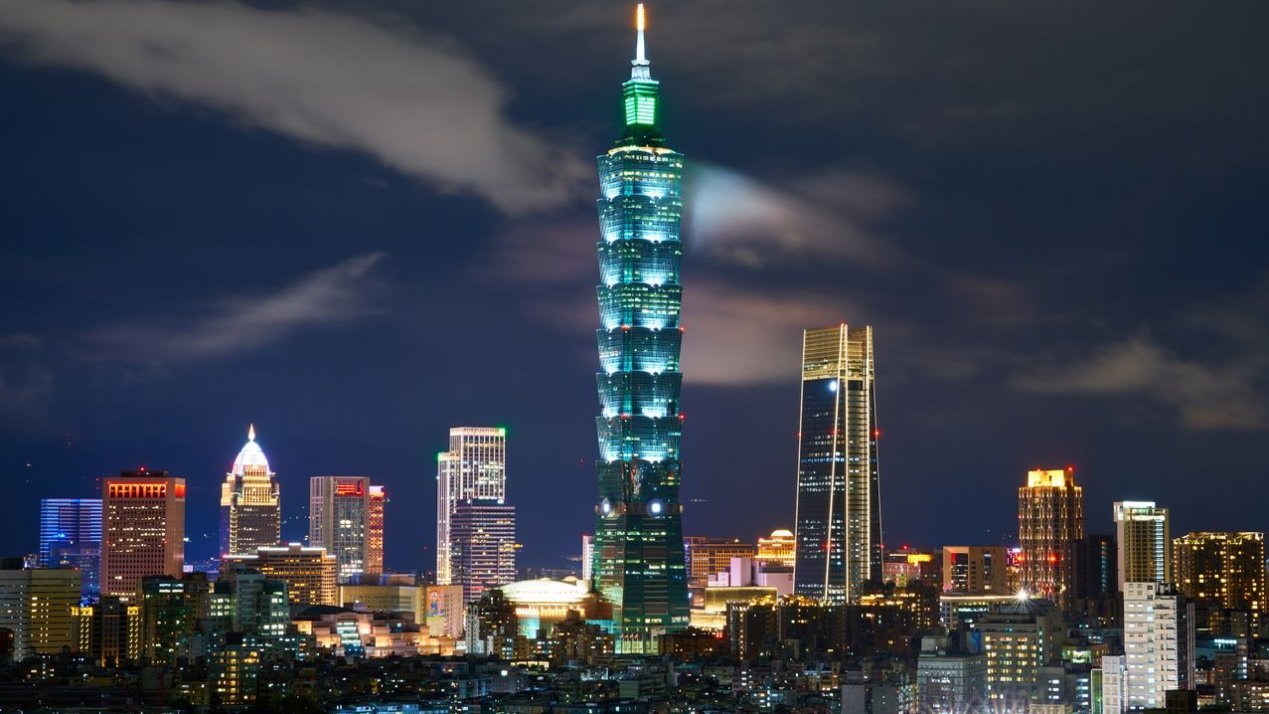
The growth in data center demand is inextricably linked to the evolving requirements of major technology firms. As the world pushes further into AI-driven services, companies like Google, Microsoft, and Meta are scrambling to expand their physical infrastructure. Mexico’s proximity to the US and its established manufacturing capabilities have made it a key player in the supply chain for these high-tech facilities.
While the Mexican government welcomes this industrial expansion, it is simultaneously tightening the reins on how these digital entities operate within its borders. The administration has introduced a new decree aimed at safeguarding children and teenagers online. This policy mandates that platforms—including Google, Meta, Apple, X, TikTok, and Huawei—strengthen default privacy settings, implement parental control tools, and streamline the reporting process for harmful content.
Tech giants have been given a 30-day window to document their compliance with these rules, which cover critical issues such as cyberbullying, violence, and self-harm. While current regulations stop short of immediate financial penalties, President Sheinbaum has signaled that her government is prepared to pursue stricter legislation to ensure these digital giants prioritize user safety.
Labor Negotiations and Healthcare Reforms
Beyond the tech sector, the administration is managing significant internal challenges within public institutions. The Mexican Social Security Institute (IMSS) is currently navigating a labor standoff after employees rejected a proposed salary increase. Director General Zoé Robledo has been tasked with drafting a revised offer to address workers’ concerns following a series of demonstrations by healthcare staff demanding better compensation and working conditions.
Parallel to these labor talks, the government is tackling persistent medicine shortages. In a direct, hands-on approach, officials have been deployed to hospitals across the country to verify which essential medications are missing, with the goal of stabilizing the supply chain and ensuring that public healthcare services are not compromised.
Educational Expansion and Infrastructure Development
In an effort to bolster human capital, the Ministry of Public Education (SEP) has launched an ambitious initiative to expand upper-secondary education, aiming to create 400,000 new student spots nationwide. A notable project in this rollout is the conversion of the controversial “Partenón” property in Tlalpan into a modern educational complex affiliated with the National Rosario Castellanos University.
The site, formerly associated with a notorious police chief, is being transformed into a “forest school” model that focuses on environmental integration. Expected to be fully operational by 2027, the campus will provide high school education for 1,200 students. This project, along with hundreds of other educational infrastructure actions, is expected to drive demand for construction and facility management services, marking a new phase in the government’s investment in public infrastructure.
While these education and industrial projects move forward, the administration continues to manage ongoing legal hurdles, such as the court-ordered suspension of the LNG plant in Sonora. As the Ministry of Environment and Natural Resources reviews the status of that project, the broader picture remains one of a country attempting to balance rapid economic modernization with social equity, labor stability, and the complex digital demands of the 21st century.
Disclaimer: This content is auto-generated for informational purposes only.
Source: Read Original News