








Nationwide Unrest Grips India Amidst Week of Global Political Volatility
The second week of October has proven to be a period of intense geopolitical and domestic turbulence, with India emerging as a focal point of civil agitation. As the international community monitors a string of crises—ranging from Houthi strikes on Saudi oil infrastructure to Brazil’s bold transition to a shortened workweek—India finds itself contending with a wave of widespread protests that have paralyzed major urban centers and disrupted daily life.
A Nation in Flux: The Roots of the Unrest
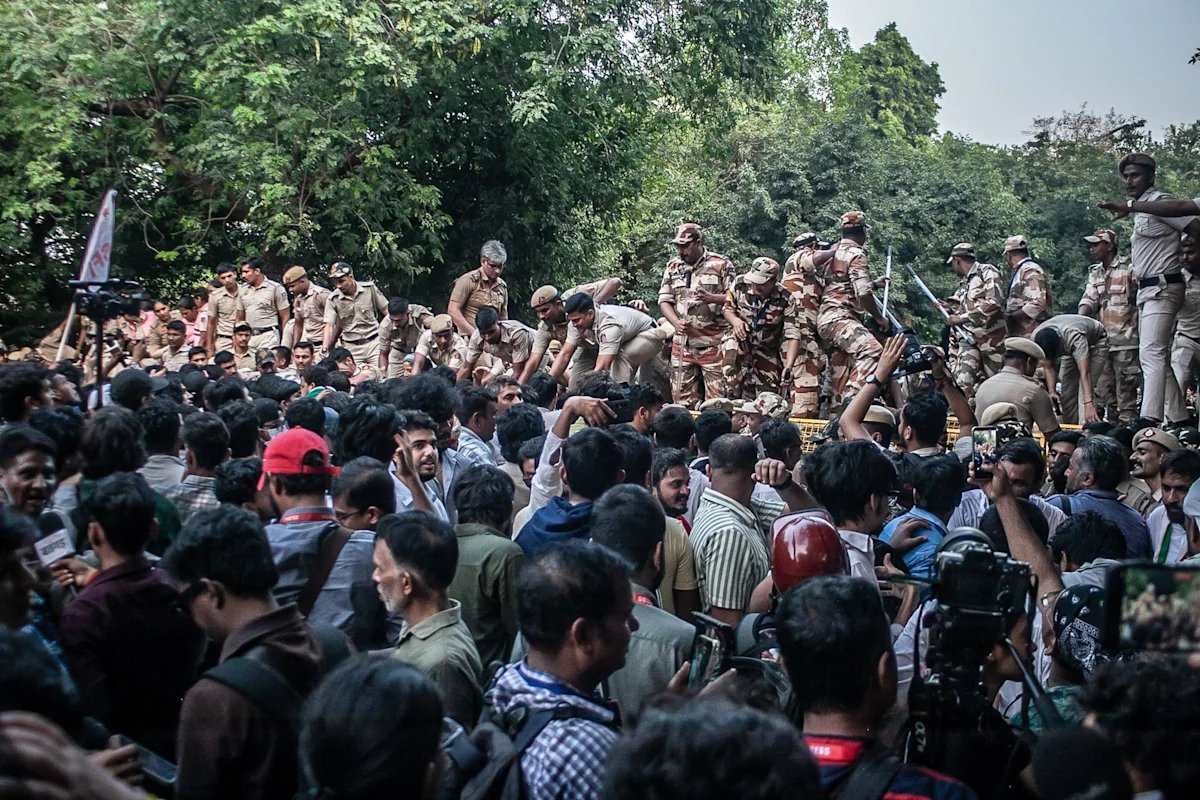
Across major metropolitan areas, including Delhi, Mumbai, and Bengaluru, streets have been overtaken by thousands of demonstrators. While the triggers for these protests are multifaceted, analysts suggest they are symptomatic of a growing friction between federal policy initiatives and grassroots economic anxieties.
The demonstrations, which began early in the week, have targeted various sectors, ranging from labor reform concerns to regional administrative disputes. In the capital, police have deployed barricades and utilized water cannons to manage crowds attempting to reach government administrative buildings. The scale of the movement has drawn parallels to previous historic surges in civil disobedience, prompting security forces to remain on high alert as the government struggles to contain the narrative.
Global Context: A Week of International Upheaval
The disturbances in India are occurring against a backdrop of global instability that has strained supply chains and heightened diplomatic tensions. The Houthi drone and missile attacks on Saudi Arabia have sparked concerns over energy security, sending oil prices into a period of volatile fluctuation. This external pressure has undoubtedly exacerbated domestic anxieties within India, where fuel inflation remains a primary driver of public frustration.
Simultaneously, the global discourse on labor and productivity has shifted following Brazil’s official move to adopt a shorter workweek. This international pivot toward “work-life balance” initiatives has resonated with Indian labor unions, which have cited the Brazilian model as a standard that the local administration has failed to meet. The contrast between Brazil’s legislative progress and India’s ongoing labor disputes has served as a potent rallying cry for protesters demanding modernized employment protections.
The Government’s Response and Future Outlook
In response to the growing unrest, the central government has issued a series of statements urging calm and emphasizing the importance of institutional stability. Several state governments have responded with preemptive measures, including temporary internet shutdowns in designated “sensitive areas” and the imposition of Section 144—a measure that restricts the gathering of four or more people in public spaces.
“We are committed to dialogue, but the rule of law must prevail,” a government spokesperson noted during a press briefing on Thursday. However, opposition leaders have criticized these heavy-handed tactics, arguing that they stifle democratic dissent and ignore the root causes of the citizenry’s grievances.
As the week concludes, the situation remains fluid. While government agencies are reportedly preparing for a series of high-level meetings to address the protesters’ demands, there is little sign that the momentum of the movement is slowing. With global markets still reeling from the Houthi-led escalation in the Middle East and domestic pressure mounting, India enters the coming week at a critical juncture, facing the dual challenge of restoring order while addressing the systemic issues that have brought the country’s streets to a standstill.
Disclaimer: This content is auto-generated for informational purposes only.
Source: Read Original News