








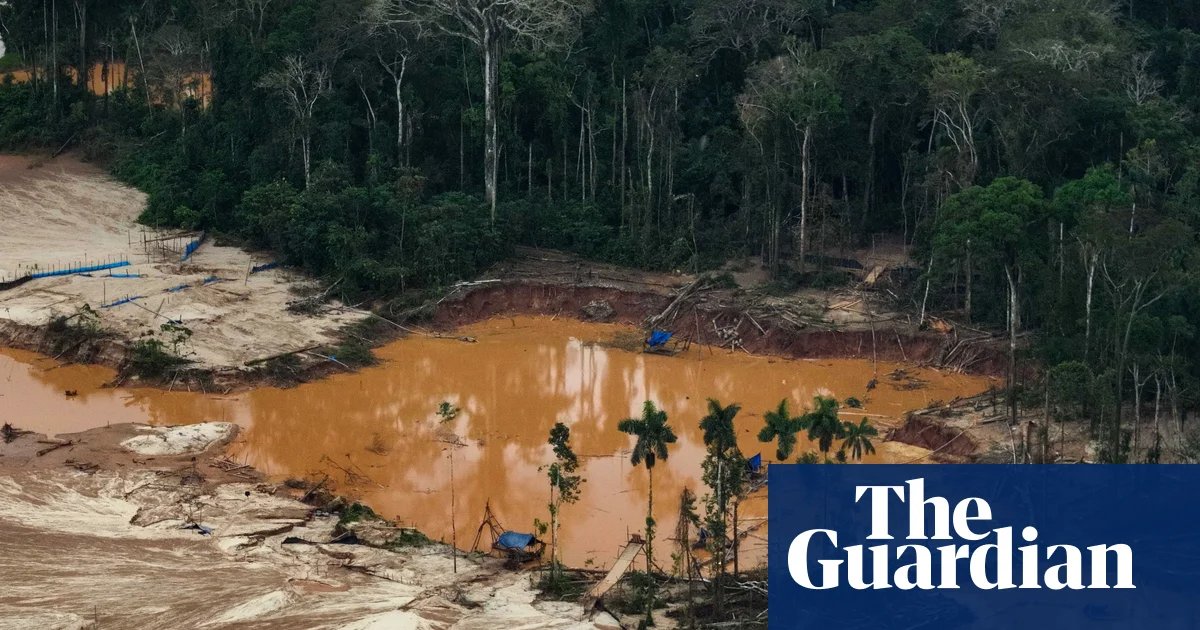
A two-year lobbying blitz by major US corporations and trade associations has significantly weakened the European Union’s flagship anti-deforestation law, according to a detailed investigation by the environmental watchdog Mighty Earth.
The European Union Deforestation Regulation (EUDR), initially championed as the “most ambitious legislative attempt” to combat global forest loss, was designed to prohibit the import of commodities such as soy, coffee, cocoa, cattle, rubber, and wood sourced from deforested land. However, following over 350 meetings between US industry representatives and EU officials, the legislation has faced two implementation delays and substantive revisions that critics argue have effectively dismantled its original intent.
Mighty Earth’s report details how 24 major US entities—including agribusiness giants Cargill and Bunge, confectionery manufacturer Mondelēz, and the US Soybean Export Council—conducted a coordinated effort to influence the regulation. Between July 2024 and July 2026, these groups engaged in at least 173 meetings with members of the European parliament and 178 meetings with senior European Commission officials.
Beyond the Commission and Parliament, the investigation reveals that pressure was exerted via the White House, the US Congress, and the Office of the US Trade Representative. A pivotal moment occurred in July 2025, following a meeting between Donald Trump and European Commission President Ursula von der Leyen at a Scottish golf course. Shortly thereafter, the two sides released a joint statement promising “special treatment” for the US regarding the EUDR, with the Commission declaring that the United States “poses negligible risk to global deforestation.”
This characterization has drawn sharp criticism from environmentalists, who point to the repeated involvement of US financial and trading institutions in the destruction of vital biomes, including the Amazon. Isabel Fernandez, a senior adviser at Mighty Earth, characterized the efforts as a “relentless and aggressive campaign” that reached the highest levels of government. “Some of the companies lobbying the EU include the most egregious who are still linked to the illegal clearing of forests for commodities,” Fernandez noted.
In response to the report, US industry groups have denied seeking to derail the law, framing their engagement as necessary for navigating complex implementation challenges. The American Chamber of Commerce to the EU stated that it has focused on practical concerns, such as IT system shortcomings and the need for greater regulatory clarity. Similarly, the US Soybean Export Council emphasized that it has sought a transition period to ensure compliance, rather than an outright exemption. Bunge, meanwhile, maintained its commitment to deforestation-free supply chains, citing its existing investments in farm-level traceability in South America.
US officials, including Ambassador to the EU Andrew Puzder, have previously argued that the regulation imposes excessive compliance costs while offering “inconsequential environmental benefit” when applied to low-risk countries.
As the law prepares to take effect this December, the debate over its efficacy remains polarized. While industry players argue their input has helped make the regulation more technically viable, Mighty Earth maintains that the “dismantling” of the policy’s core requirements demonstrates a critical need for greater transparency in EU lobbying. For now, the future of what was once considered a global benchmark for forest protection remains uncertain, overshadowed by the influence of some of the world’s most powerful corporate interests.
Disclaimer: This content is auto-generated for informational purposes only.
Source: Read Original News