








The State of Modern Smartphone Iterations
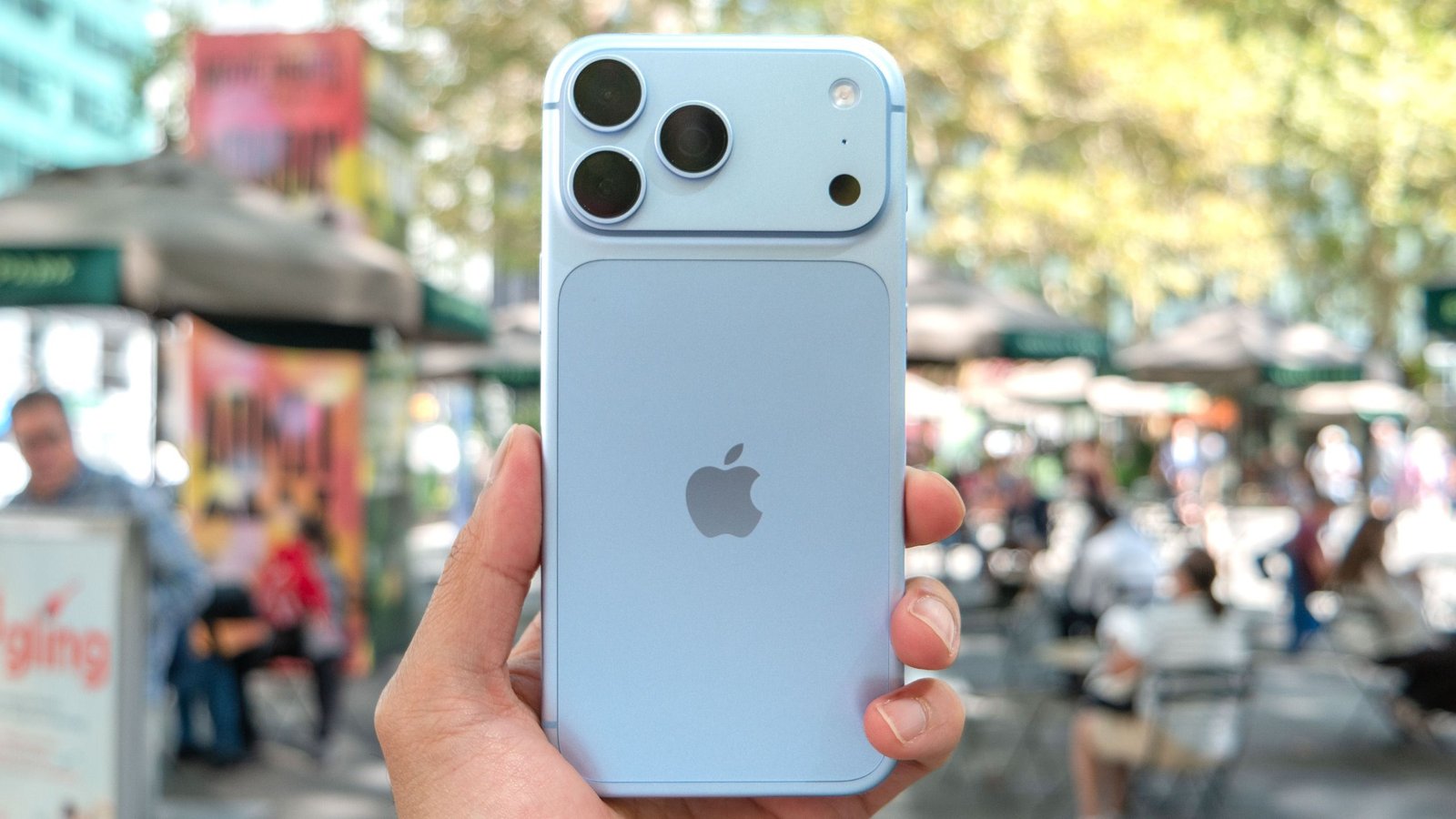
The consumer electronics landscape is currently defined by a sharp divide between incremental hardware updates and experimental new form factors. At one end of the spectrum, we have the iPhone 18 Pro Max, a device that represents the pinnacle of Apple’s traditional engineering but struggles to justify its status as a significant leap forward. While the iPhone 18 Pro Max is undeniably powerful, featuring the latest A20 Pro chip and improved battery life, it serves as a stark reminder of the plateau reached in standard slab-phone design.
Technically, the iPhone 18 Pro Max outperforms its predecessor, the iPhone 17 Pro Max. With faster 60W wired charging and refined internals, it provides a seamless user experience. However, these improvements are largely invisible in day-to-day tasks. The physical design remains familiar, and for many users, the transition from last year’s model offers little in the way of tangible utility or novelty. Even the headline feature—a variable aperture camera system that allows users to watch the physical blades move over the lens—feels more like a technical curiosity than a transformative feature. Once the initial novelty fades, the user is left with a device that feels like an iterative “S” release, questioning the necessity of annual upgrade cycles.
The Rise of the Foldable iPhone Duo
In contrast to the stagnant nature of the Pro Max series, the anticipation surrounding the iPhone Duo highlights a shift in consumer demand. Despite the folding phone market being well-established by competitors over the last several years, the iPhone Duo represents the first time Apple has ventured into this territory. This novelty is driving extreme demand, with pre-order estimates already pushed into the following year, signaling that users are eager for a departure from the standard smartphone template.
The device is positioned as a pivot point for the brand. It introduces a tablet-sized, foldable display that mandates a new way of interacting with mobile software. From a hardware perspective, the inclusion of a titanium chassis for increased durability and an under-display camera system marks a significant change in manufacturing philosophy. These features, while complex, provide a sense of progression that the traditional iPhone lineup currently lacks.
Technical Implications of the New Form Factor
The adoption of a foldable form factor brings unique technical challenges that Apple must address to maintain its reputation for reliability. Integrating an uninterrupted, foldable display requires sophisticated hinge engineering and specialized software optimization. Apple has introduced a side-mounted taskbar in its UI to manage multitasking, a functional shift that acknowledges the necessity of adjusting the operating system for a larger, foldable screen.
Furthermore, the implementation of under-display camera technology is a notable step toward a truly bezel-less experience. While previous attempts at this technology in the industry have faced hurdles regarding image quality and sensor sensitivity, the pursuit of this feature suggests that Apple is prioritizing screen-to-body ratio in its hardware development. These architectural changes represent a genuine departure from the status quo, offering capabilities that are simply not possible on the iPhone 18 Pro Max.
Market Impact and Consumer Fatigue
The current market environment reflects a growing fatigue with standard device upgrades. When a $1,200 device fails to elicit genuine enthusiasm, it signals that the hardware-focused marketing of the last decade has reached a point of diminishing returns. The iPhone 18 Pro Max is trapped in the cycle of marginal gains, where performance benchmarks continue to climb, but the actual utility for the average user remains static.
Conversely, the massive interest in the iPhone Duo demonstrates that consumers are ready to move toward new hardware paradigms. The willingness of the market to wait months for the Duo’s arrival suggests that users are placing a premium on innovation over the convenience of a traditional, albeit stale, design. For Apple, this marks a delicate balancing act: maintaining its core product line while attempting to capture a new segment of the market that demands more than just faster processors and minor camera adjustments.
The Future of Hardware Innovation
Looking ahead, it is likely that the excitement surrounding the iPhone Duo will follow the trajectory of all new technologies. As foldable devices become more common, the initial intrigue will inevitably give way to the expectations of a standard release cycle. The challenge for Apple will be to continue finding ways to innovate beyond the initial novelty of the hinge and foldable screen.
For now, the divide is clear. While the iPhone 18 Pro Max provides a reliable, high-performance experience, it fails to capture the imagination of a consumer base that has become accustomed to stagnation. The iPhone Duo, however, provides a much-needed injection of curiosity into the market. As long as users continue to feel the weight of their devices and wonder if there is more to be gained from their technology, the shift toward these newer, more experimental designs will likely define the next chapter of the industry.
Disclaimer: This content is auto-generated for informational purposes only.
Source: Read Original News