









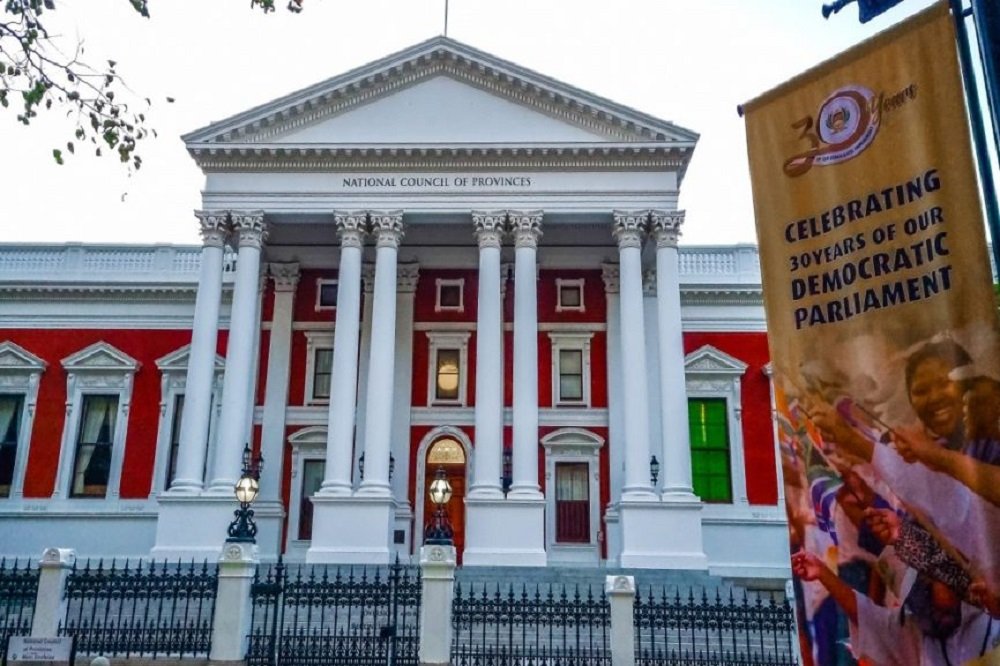
CAPE TOWN – The National Council of Provinces (NCOP) was thrown into a state of intense debate on Wednesday following a damning briefing from the Office of the Auditor-General (AG), which revealed systemic and persistent weaknesses in financial controls across several government departments and state-owned entities.
In a report that has sent shockwaves through the legislative corridors, the Auditor-General’s office highlighted a disturbing trend: a disregard for basic financial management protocols that has left the public purse increasingly vulnerable to irregular, fruitless, and wasteful expenditure. According to the report, the erosion of accountability mechanisms is not merely a result of resource constraints, but a direct consequence of “wilful negligence” and a failure to enforce internal governance frameworks.
Addressing the NCOP delegates, representatives from the Auditor-General’s office emphasized that while the legal instruments to ensure financial oversight are in place, the “culture of compliance” has fundamentally collapsed. The report points to a recurring failure to reconcile bank accounts, inadequate oversight of supply chain management processes, and a lack of consequence management for officials who repeatedly bypass procurement regulations.
“We are seeing a trend where the same audit findings are being repeated year after year,” the report stated. “This is no longer a matter of lack of capacity; it is a lack of accountability. When internal controls are bypassed with impunity, the risk of fraud and systemic corruption rises exponentially, effectively draining funds intended for essential public services.”
The findings have sparked urgent calls from opposition parties in the NCOP for immediate, aggressive intervention. Some delegates have demanded that the National Treasury impose stricter conditions on departments that fail to meet audit requirements, while others have called for the formal prosecution of accounting officers who have presided over failing financial systems.
Finance officials and departmental heads present at the session were forced to defend their records as members of the NCOP pushed for clarity on why previous recommendations from the AG’s office had been ignored. Many departments cited chronic understaffing and outdated digital infrastructure as primary hurdles, arguments that were swiftly dismissed by the Auditor-General’s team as insufficient justifications for the scale of the mismanagement identified.
The NCOP Chairperson concluded the session by warning that the house would no longer tolerate “business as usual.” A follow-up hearing has been scheduled for next month, where departments identified as high-risk will be required to present comprehensive turnaround strategies.
As the government faces growing public scrutiny over its management of tax revenue, this latest report serves as a stark reminder of the fragile state of public financial management. For now, all eyes remain on whether these revelations will lead to actual structural reform or remain yet another set of warnings lost in the machinery of government bureaucracy.
Disclaimer: This content is auto-generated for informational purposes only.
Source: Read Original News