








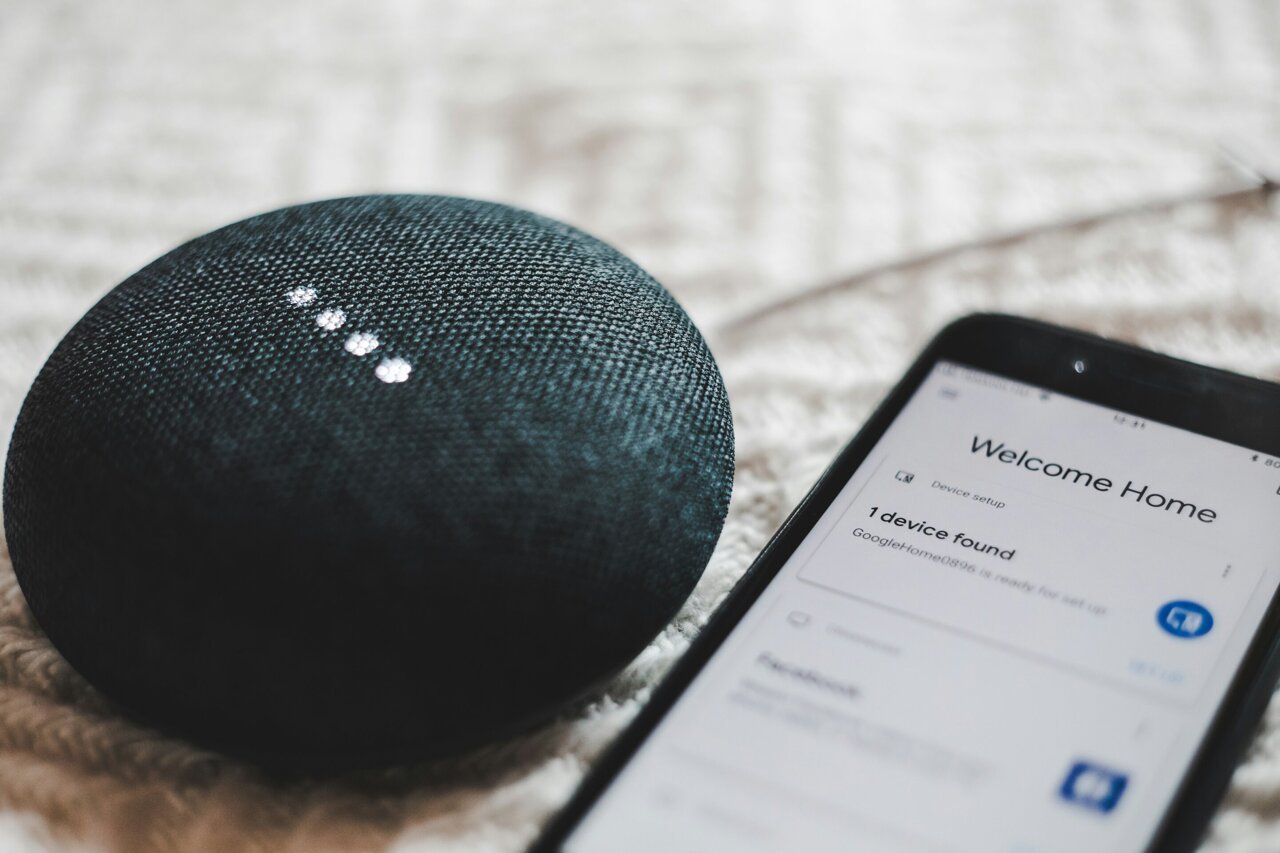
In a startling revelation that has sent shockwaves through the cybersecurity community, researchers have uncovered a sophisticated new threat targeting the millions of voice-activated assistants currently occupying our homes. The technology, dubbed “SilentCommand,” allows malicious actors to embed inaudible, machine-readable instructions into seemingly harmless audio files, effectively turning smart speakers against their own users.
The vulnerability exploits the way artificial intelligence processes sound. By using high-frequency audio signals that fall outside the range of human hearing, attackers can inject commands directly into devices like Amazon Alexa, Google Home, and Apple’s Siri. To the human ear, a track might sound like a simple pop song, a podcast, or a commercial, but to the device’s microphone, it acts as a direct line of code.
“We are looking at a paradigm shift in how digital security breaches occur,” said Dr. Elena Vance, lead researcher at the Institute for Cyber-Safety. “We’ve moved past the need for a user to click a suspicious link or open a phishing email. Now, the environment itself—the ambient noise in your living room—can be weaponized.”
The implications of this breach are profound. During laboratory testing, researchers successfully demonstrated how a compromised audio file could command a smart assistant to unlock smart home doors, initiate unauthorized online purchases, or even change sensitive account security settings. Perhaps most alarmingly, the process is seamless; the device performs these tasks without ever alerting the user, as the “voice” of the attacker is completely silent to human ears.
Tech giants are currently scrambling to address the vulnerability. In a statement released early Tuesday, representatives for the leading smart home manufacturers noted that they are “actively investigating the reports” and emphasized that existing multi-factor authentication protocols should remain the first line of defense. However, critics argue that these safeguards are often disabled by users for the sake of convenience, leaving millions of homes wide open to exploitation.
As the industry grapples with the fallout, security experts are urging consumers to take immediate precautionary steps. “The most effective protection right now is simply limiting the permissions granted to these devices,” advised cybersecurity consultant Marcus Thorne. “Disable the ability for your voice assistant to make purchases, lock or unlock entryways, or access sensitive personal data unless absolutely necessary. Furthermore, be wary of playing unknown audio files—whether they be ads, music, or podcasts—at high volumes when your smart device is within proximity.”
As we increasingly integrate AI into our private lives, the “SilentCommand” discovery serves as a grim reminder that our devices are always listening—and increasingly, they are listening to things we cannot hear. For now, the digital gatekeepers are on high alert, as the race to patch this silent, invisible threat begins in earnest.
Disclaimer: This content is auto-generated for informational purposes only.
Source: Read Original News