







US Waives 100% Tariff on Russian Oil: A Strategic Breathing Room for India
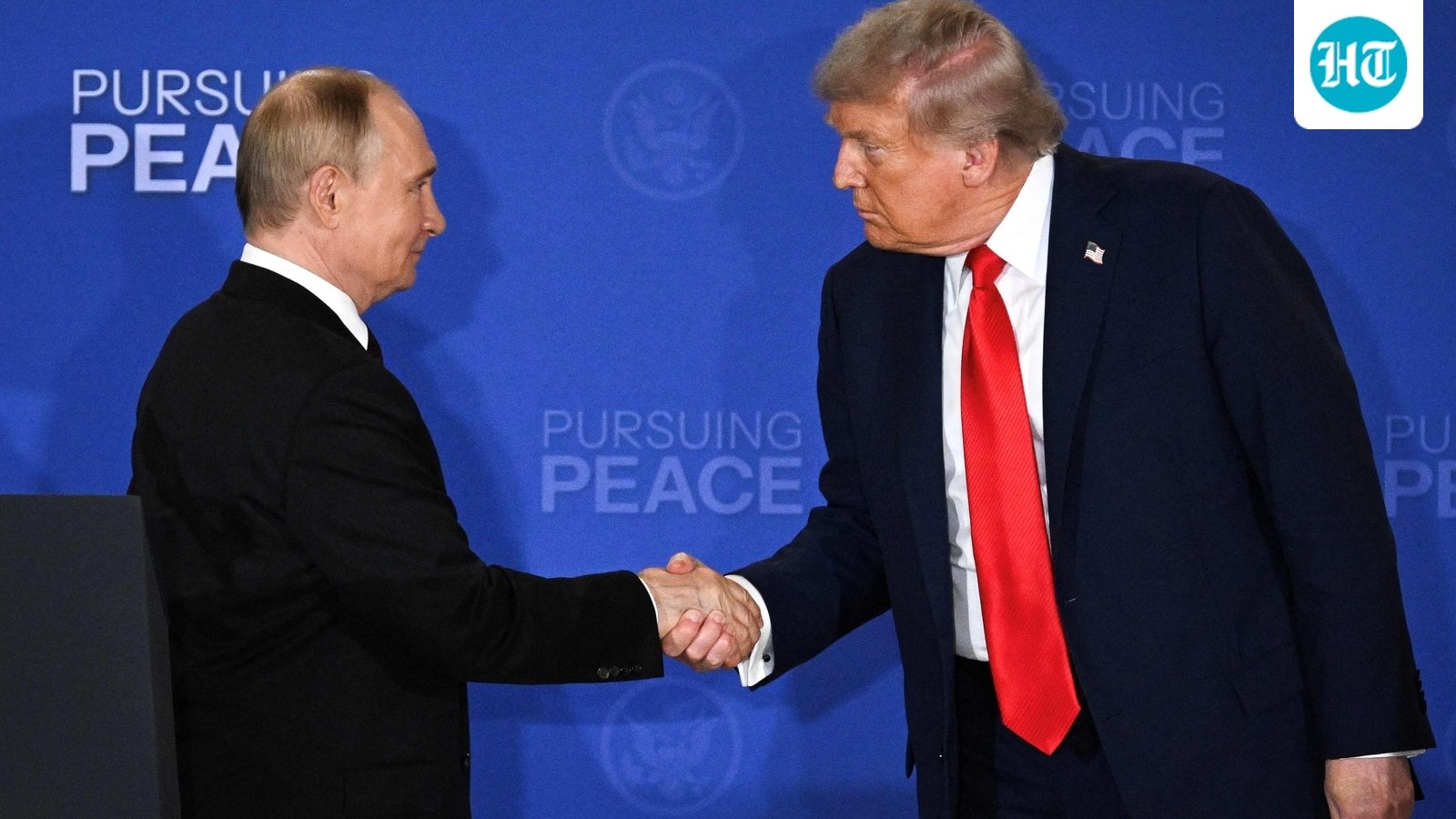
New Delhi, Oct. 17 — In a move that brings immediate relief to India’s energy sector, US President Donald Trump has issued an Executive Order waiving punitive 100 per cent tariffs on Russian oil imports for the world’s top five buyers, including India. The decision, part of the implementation of the Lindsey O Graham Sanctioning Russia and Iran Act of 2026, provides a necessary shield against trade penalties that had threatened to disrupt India’s crude procurement strategy.
While the waiver is technically open-ended, the White House has retained the authority to withdraw it at any time. For New Delhi, this represents a calculated pause in geopolitical pressure rather than a permanent resolution to the complexities of global energy trade.
Flexibility Over Margins
Industry experts suggest that the primary advantage for Indian refiners will be logistical and operational flexibility. R. Ramachandran, former Director (Refineries) at Bharat Petroleum Corporation Limited (BPCL), noted that the focus for Indian firms is less about immediate windfalls in refining margins and more about securing a stable and diverse supply chain.
“The real impact for our refineries lies in having a wider array of choices,” Ramachandran explained. While Russia has been a vital source of crude, the discounts on their oil have narrowed significantly compared to earlier periods. Consequently, the value proposition of Russian imports has shifted from pure price competitiveness to ensuring consistent, uninterrupted energy supplies for the growing Indian economy.
Market Dynamics and Economic Risks
The Global Trade Research Initiative (GTRI) has characterized the US move as a temporary reprieve. In its recent report, the think tank pointed out that US interests likely drove the decision, noting that Washington recently inked an agreement to purchase Russian diesel to mitigate its own domestic fuel shortages.
“The message is clear: US interests determine when penalties apply,” said Ajay Srivastava, founder of GTRI. He cautioned that India should avoid making long-term trade concessions in exchange for what is essentially a volatile regulatory exemption.
From a macroeconomic perspective, Rajani Sinha, Chief Economist at CareEdge, believes the waiver provides a degree of comfort for India’s current account deficit (CAD). Assuming global crude prices remain within the $80 to $100 per barrel range, India’s CAD is projected to stay manageable, between 0.8 and 1.2 per cent of GDP. However, Sinha warned that the risk of elevated fuel costs remains a factor in domestic inflation management, which is expected to hover around 5 to 5.5 per cent.
Future Outlook: A Cautious Approach
Despite the optimism surrounding the tariff waiver, experts are advising Indian refiners to exercise prudence. Ramachandran explicitly warned against locking into long-term Russian supply contracts until the durability of the US waiver becomes clearer.
The underlying reality remains that Russia’s share of India’s oil imports has seen fluctuations, dropping from 51 per cent in July to 44 per cent in August as India diversified toward the US and the United Arab Emirates. Moving forward, New Delhi is expected to prioritize its energy security while maintaining a pragmatic distance from the shifting landscape of US-Russia trade sanctions.
As Washington manages its own inflationary pressures and ongoing trade negotiations with other global powers, the “temporary” nature of this waiver serves as a reminder that India must continue to bolster its domestic energy infrastructure and diplomatic agility to navigate the unpredictable currents of international trade policy.
Disclaimer: This content is auto-generated for informational purposes only.
Source: Read Original News