






US Sanction Waiver on Russian Energy: A Strategic Win for India’s Economy
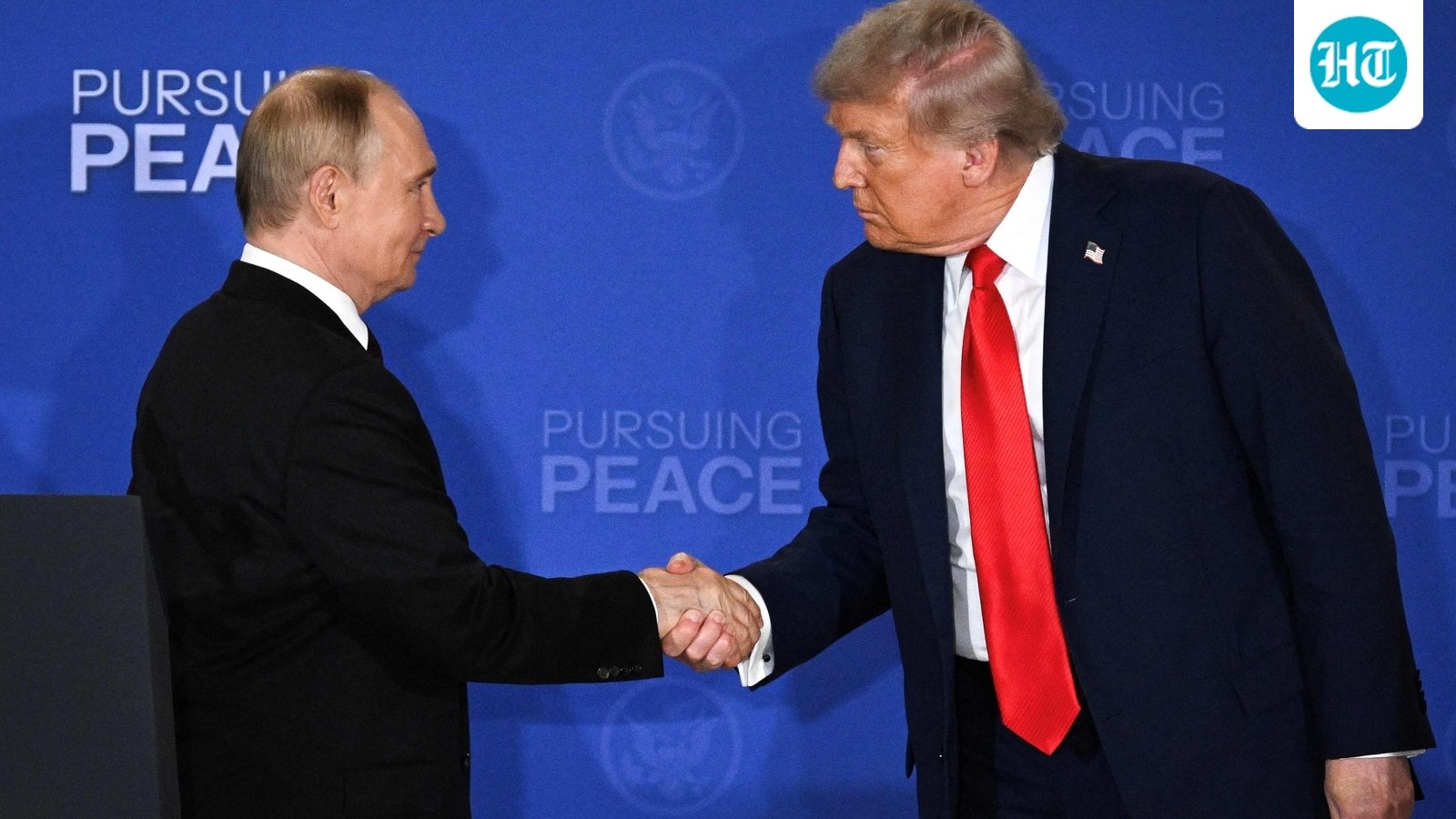
New Delhi: In a significant development for India’s macroeconomic stability, US President Donald Trump has issued an executive order waiving specific sanctions and restrictive tariffs under the Sanctioning Russia and Iran Act (SRIA). By invoking Section 15 of the Act, the US administration has signaled that prioritizing national interests takes precedence, offering immediate relief to India’s energy sector and broader export markets.
The decision, announced on October 16, effectively neutralizes the threat of steep, 100 per cent duties that the law had authorized against nations purchasing Russian crude and gas. This move is being widely interpreted as a pragmatic diplomatic victory that safeguards India’s ability to procure competitively priced energy while simultaneously fostering a more favorable climate for ongoing bilateral trade negotiations.
Energy Security and Inflation Control
For India, the primary benefit of this waiver is the sustained access to Russian crude oil. Economists and industry bodies have lauded the move, noting that the ability to import energy at discounted rates is a critical buffer for the domestic economy.
“Continued access to competitively priced crude oil from Russia is a welcome development,” said Anant Swarup, Secretary General of the industry chamber FICCI. According to Swarup, this access plays a vital role in moderating input costs for domestic manufacturers, which in turn helps ease inflationary pressures and sustains India’s current growth momentum.
However, industry experts maintain a cautious optimism. While the waiver provides a necessary reprieve, its temporary nature—subject to modification or withdrawal at short notice—remains a concern for long-term capital expenditure. FICCI has emphasized that for business to flourish, the India-US economic partnership must eventually transition toward a model defined by greater predictability, transparency, and mutual stability.
Boosting Export Confidence
The ripple effects of the waiver extend well beyond the energy sector. The Federation of Indian Export Organisations (FIEO) has noted that the move eliminates a looming “major risk” that had previously dampened buyer confidence in Western markets.
“This pragmatic step will bolster order flows, particularly in employment-intensive sectors such as textiles, leather, gems and jewellery, and engineering goods,” said Ajay Sahai, Director General of FIEO. By alleviating fears of sudden punitive tariffs, the waiver encourages international partners to maintain long-standing trade agreements with Indian MSMEs.
Sahai added that while the relief is substantial, there is an urgent need for the government to push for a more durable trade understanding. For small businesses, tariff predictability is the bedrock of future investment, and Indian exporters remain keen to see this relief translate into a long-term framework.
A Catalyst for Bilateral Trade Agreements
The diplomatic implications of the executive order are equally significant. Deep Kapuria, Chairman of Hi-Tech Gears and a prominent international trade expert, believes the move will be instrumental in smoothing over the remaining friction points in the proposed Bilateral Trade Agreement between New Delhi and Washington.
“Providing a waiver under the Lindsey Graham Act is a constructive step that gives a much-needed boost to bilateral relations,” Kapuria remarked. As both nations continue to navigate complex geopolitical landscapes, this decision appears to reflect a strategic alignment where economic cooperation is prioritized, creating a more cohesive foundation for future discussions.
As India continues to diversify its export markets and strengthen its manufacturing competitiveness, the current US waiver serves as a bridge, ensuring that energy costs remain manageable while diplomatic channels for a comprehensive trade pact remain wide open.
Disclaimer: This content is auto-generated for informational purposes only.
Source: Read Original News