







India’s Economic Momentum: A Growth Streak to Rival the Golden Era
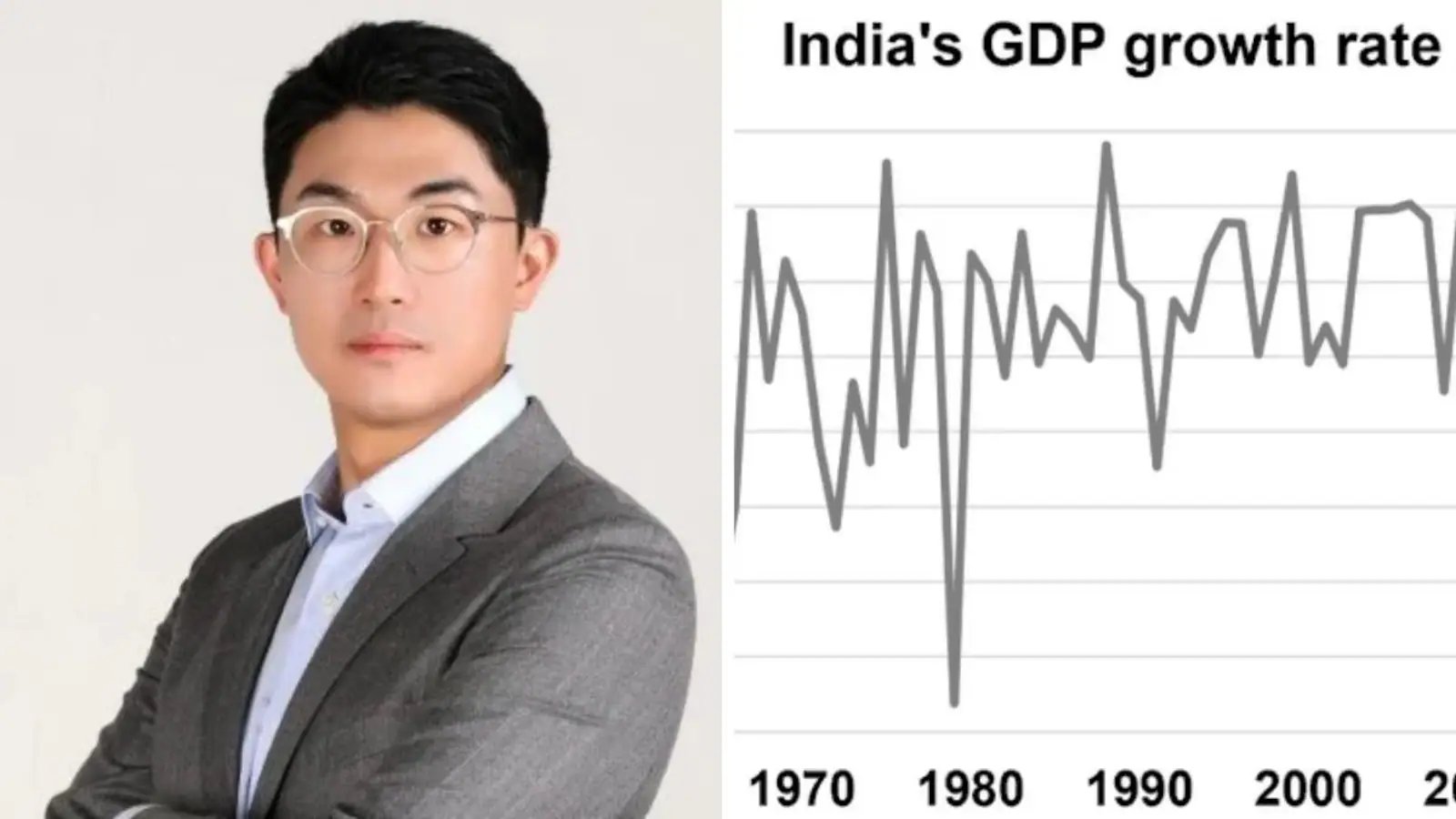
India’s recent economic trajectory has captured the attention of global financial observers, with experts highlighting the nation’s remarkable resilience and consistent growth following the disruptions of the pandemic years. According to Kyunghoon Kim, a senior economist at the Korea Institute for International Economic Policy (KIEP), India is currently navigating a period of performance that rivals its most celebrated economic cycles.
A Sustained Period of Expansion
In a detailed analysis shared recently, Kim, who leads the India & South Asia Team at KIEP, pointed out that the country has defied pessimistic expectations. Following a contraction of 5.8% during the height of the global supply chain crisis in the pandemic, the Indian economy staged a rapid rebound, expanding by 9.7% in 2021. Since that recovery, India has maintained a streak of growth exceeding 7% for four consecutive years.
This consistency has prompted major international economic institutions—including the International Monetary Fund (IMF), the Asian Development Bank (ADB), and the World Bank—to consistently revise their growth projections for India upward. Currently, most global forecasters estimate that the country will maintain a growth rate above 7% through both the current and coming fiscal years.
Comparing to the BRIC Era
Kim noted that this five-year growth momentum is reminiscent of the period between 2003 and 2007, a time when India first garnered significant global acclaim as a member of the BRIC group of emerging economies. Data indicates that the simple average growth rate for the 2021–2025 period stands at approximately 7.83%, trailing only slightly behind the 7.89% average recorded during the 2003–2007 boom.
However, Kim emphasized that comparing these two periods requires context. “India is operating on a very different scale today,” he observed. “Its GDP was just over $1 trillion in 2007; now it is nearly $4 trillion. The same 7% growth rate therefore represents a much larger expansion.” Because the absolute size of the economy has ballooned, a 7% expansion today adds significantly more value to the global economy than it did nearly two decades ago.
Path to Global Top Three
The positive sentiment is backed by recent internal and external policy adjustments. The Reserve Bank of India (RBI) recently elevated its growth estimate to 7.1% for the year, citing strong domestic demand. Similarly, the IMF raised its forecast to 7%, attributing the optimism to robust services activity and strong consumption patterns.
With these indicators pointing toward continued stability, analysts are increasingly confident in India’s long-term economic outlook. If the current momentum remains steady, projections suggest that India is on a firm path to becoming the world’s third-largest economy by 2030. By sustaining such momentum, India is not merely recovering from past volatility but is fundamentally altering its role in the global financial landscape.
Disclaimer: This content is auto-generated for informational purposes only.
Source: Read Original News