








The Shift to Adhesive-Based Security for Foldable Hardware
As the launch of the iPhone Duo approaches, the conversation among early adopters has shifted from the device’s internal specifications to the practical realities of its physical protection. Apple has released two distinct first-party protective solutions for the new form factor: a standard silicone case priced at $79 and a premium folio case with a built-in kickstand retailing for $129. While both products aim to safeguard the hardware, the mechanics behind the silicone case represent a notable departure from traditional accessory design.
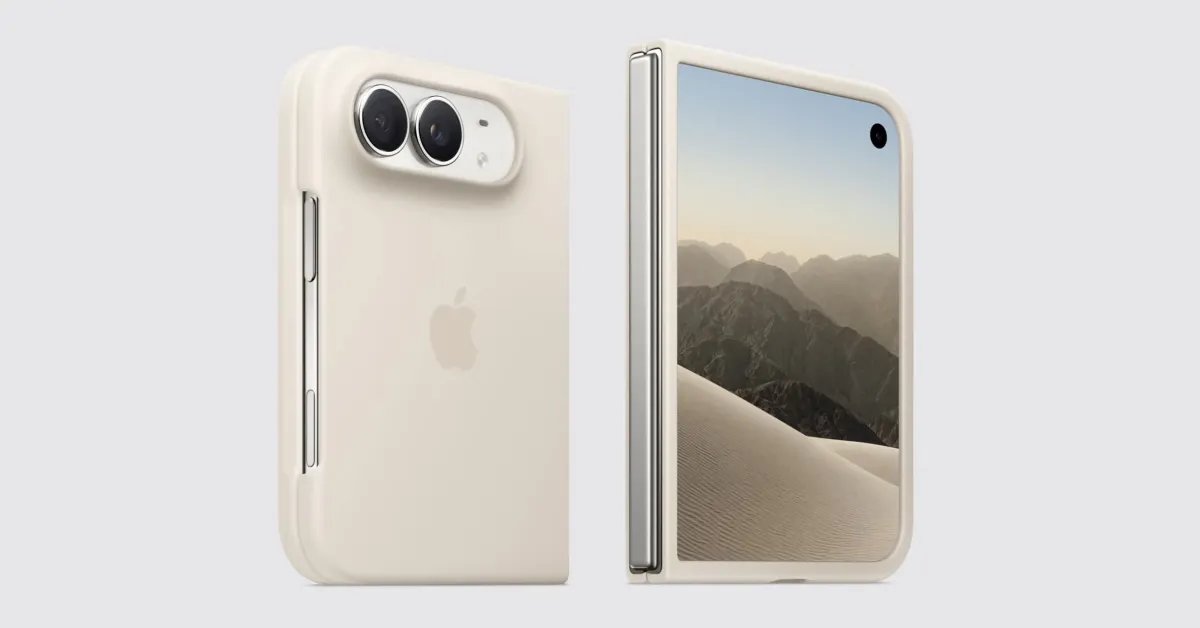
Instead of relying on the standard MagSafe array or mechanical snap-fit structures commonly found on rigid bar-style smartphones, the iPhone Duo silicone case utilizes an adhesive interface. Users must peel back protective liners to expose the pressure-sensitive bonding agent that secures the case to the handset’s chassis. This structural change is a direct response to the unique physical requirements of a foldable device, which necessitates a case that remains perfectly aligned with the screen hinges and folding seams throughout thousands of actuation cycles.
Understanding the Mechanics of Foldable Protection
The decision to move away from magnetic attachments for the silicone case is rooted in the physics of foldable hardware. Unlike a static glass-and-metal slab, a foldable device requires a case that can effectively “bridge” two separate components while maintaining a precise tolerance near the central hinge. Magnets, while convenient for wallets and chargers, often lack the sheer shear strength required to keep a protective cover perfectly flush against a folding frame during daily operation.
When a device opens and closes, it exerts complex torsional forces on any attached accessory. If the case were attached via magnets, the inevitable shifting or sliding would eventually lead to misalignment, potentially interfering with the display’s ability to sit flush or obscuring the hinge mechanism. The adhesive approach ensures that the case becomes an extension of the phone’s exterior shell, effectively locking the silicone material to the device body. This eliminates the risk of the case sliding out of position, which is critical for protecting the vulnerable edges near the display panel.
Practical Implications for Daily Device Handling
For the end user, this design necessitates a shift in how they interact with their device accessories. Because the bond is created through a pressure-sensitive adhesive, the iPhone Duo silicone case is effectively a semi-permanent installation. Swapping cases based on style or necessity becomes significantly more difficult compared to traditional snap-on models.
Removing the case is possible, but it compromises the integrity of the adhesive layer. Once the cover is detached, the bond will likely fail to reach its original, factory-grade holding strength upon reapplication. For owners who frequently switch between a slim case for daily use and a rugged folio for travel, this limitation could be a major inconvenience. Users should carefully consider their use-cases—such as whether they prefer a permanent protection solution or the flexibility of a modular system—before finalizing their accessory purchase.
The Premium Alternative: Folio and Kickstand Functionality
While the silicone case focuses on minimalist, semi-permanent protection, the $129 folio case represents a more sophisticated approach. The increased price point is largely justified by the inclusion of a versatile kickstand mechanism. In the context of a large-screen foldable device, a kickstand is not just a luxury; it is a vital tool for media consumption and multitasking.
The folio design appears to bypass the pitfalls of the adhesive-only silicone model by utilizing a more comprehensive wrap-around structure. This provides secondary support that alleviates the reliance on adhesives alone, allowing for a more robust build. For power users who leverage the iPhone Duo for extended work sessions or video conferencing, the folio acts as both a protective sleeve and a functional workstation peripheral, justifying its higher cost for professional applications.
Third-Party Market Response and Compatibility
The unique requirements of the iPhone Duo have created an opening for third-party accessory manufacturers to address the constraints posed by official Apple products. Companies such as Spigen and ESR have already begun shipping hybrid alternatives, such as the Ultra Hybrid Pro and the Classic Hybrid with kickstand. These products offer a different engineering philosophy, often blending rigid polycarbonate frames with flexible edges to ensure the case remains secure without the need for adhesive strips.
These manufacturers are navigating the same challenges as Apple—maintaining compatibility with wireless charging and ensuring the hinge remains unobstructed—while attempting to offer a more user-friendly installation process. As the market for foldable accessories matures, the industry will likely see a split between “permanent” high-bond protective solutions and “modular” cases designed for frequent removal. For the consumer, the availability of these third-party solutions provides a vital counterpoint to Apple’s official offerings, allowing for more customization without sacrificing device security. Understanding these trade-offs is essential for any iPhone Duo owner looking to maximize both the utility and the longevity of their hardware investment.
Disclaimer: This content is auto-generated for informational purposes only.
Source: Read Original News