








Tensions Rise in New Delhi as ‘Cockroach Movement’ Leaders Released Amid Election Controversy
NEW DELHI – The national capital remains on edge as the “Cockroach Janata Party,” an emerging protest movement, continues its standoff with the Election Commission of India. On October 17, the movement’s founder, 31-year-old Abhijit Dipke, was released from police custody, marking a significant development in the ongoing agitation against the nation’s top electoral body.
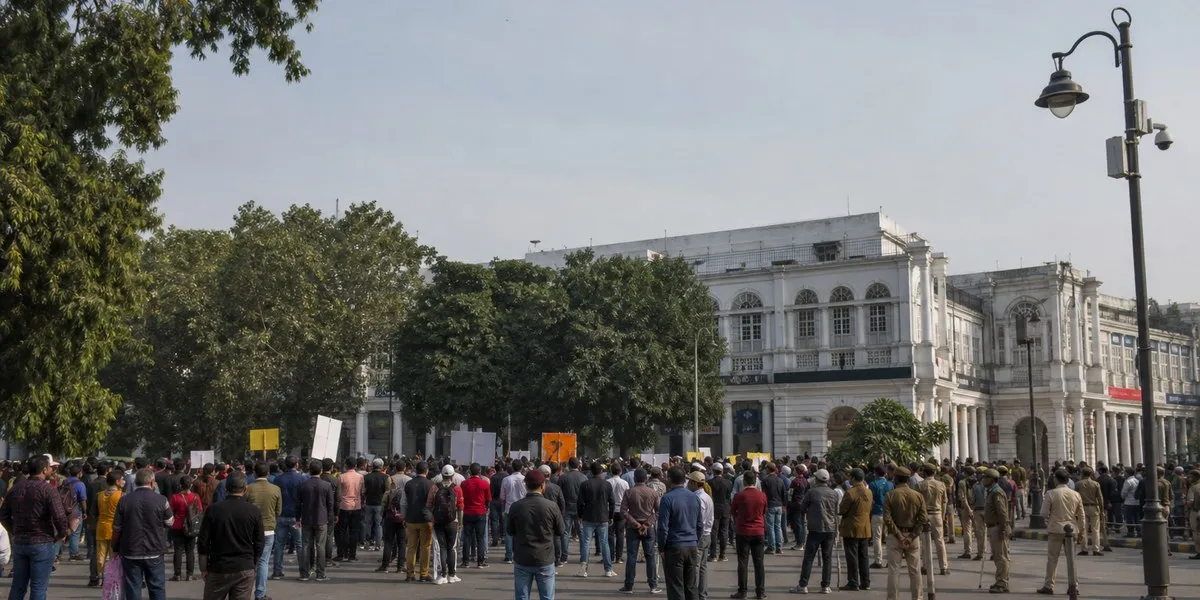
Dipke had been detained on October 16 while en route to a protest rally in the Connaught Place district. Law enforcement officials stated that the detention was a preemptive measure intended to prevent a breach of public order in the busy central area. Following his release on the afternoon of October 17, Dipke was seen by journalists outside the police station, offering a thumbs-up gesture to his waiting supporters. His release was subsequently confirmed by Ratna Singh, the movement’s legal head.
Accusations of Electoral Manipulation
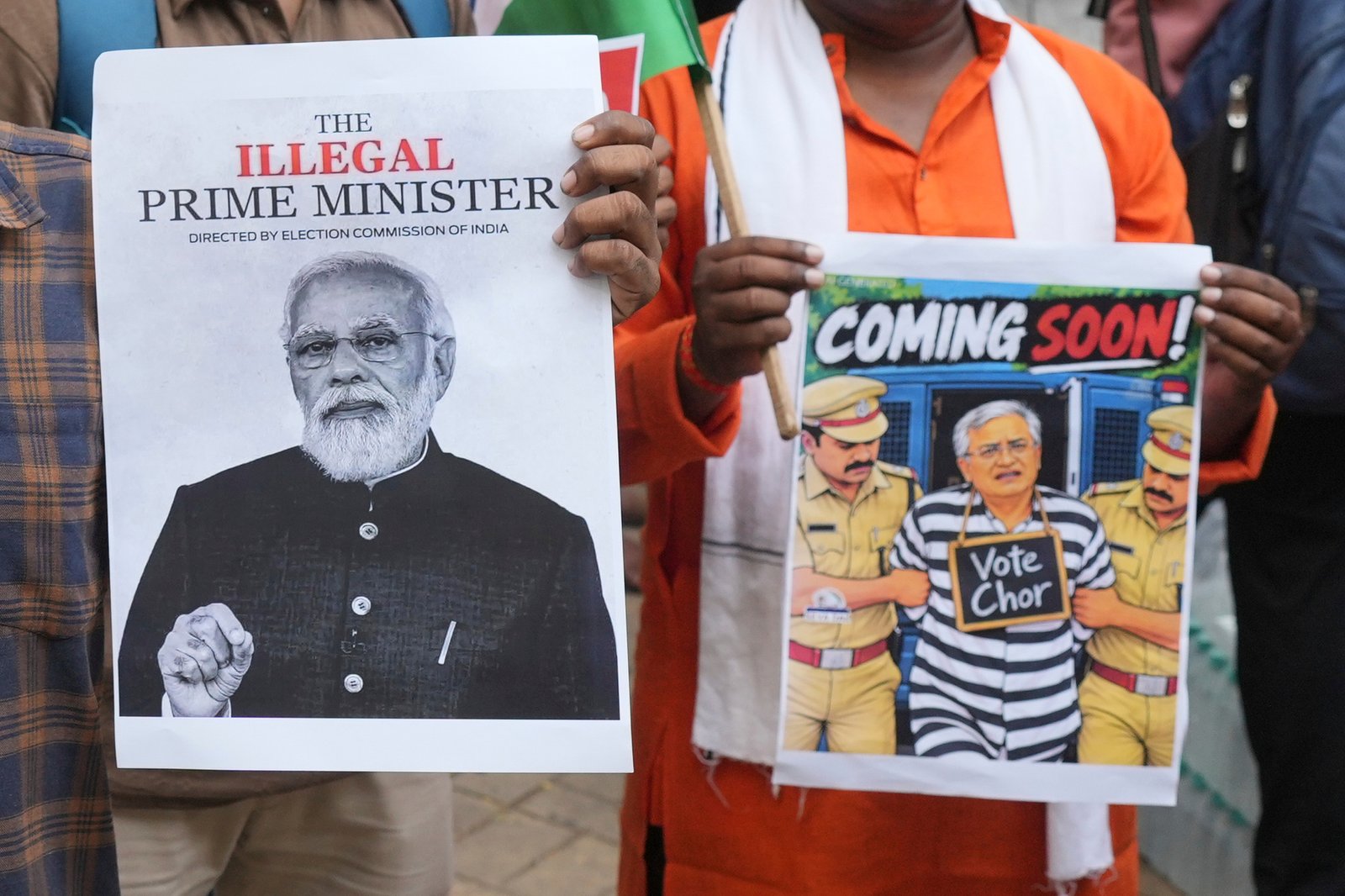
The Cockroach Janata Party, alongside various opposition factions, has mobilized in recent days to demand the resignation of Chief Election Commissioner Gyanesh Kumar. The core of the protest centers on allegations that the electoral body has engaged in the systematic manipulation of voter rolls to favor the ruling Bharatiya Janata Party (BJP).
Protesters point to the recent revision of electoral lists, which resulted in the removal of over 130 million voters. Critics argue that this massive reduction, occurring ahead of critical political cycles, undermines the democratic integrity of the nation. In response, the Election Commission has vehemently denied any bias, asserting that its actions were procedural. The commission issued a statement clarifying that any citizens mistakenly purged from the lists are eligible to re-register. Conversely, the BJP has dismissed the allegations as politically motivated, accusing the opposition of attempting to destabilize India’s democratic framework by casting doubt on established legal processes.
Ongoing Legal Challenges and Detentions
While the release of Dipke and fellow activist Neha Bora has provided some relief to the movement, the situation remains volatile. Neha Bora, who was detained on October 16 while leading a march to central New Delhi, was also granted release on October 17. Upon her exit from police custody, she reiterated the movement’s primary demands, calling for the immediate removal of Gyanesh Kumar and an end to the intensive, contentious revision of voter registration lists.
Despite these releases, the movement’s leadership is still grappling with the loss of key personnel. Two prominent figures within the Cockroach Janata Party, Ashuthosh Ranka and Saurabh Das, remain behind bars. The two were taken into custody on October 14 after attempting to demonstrate at Jantar Mantar—a historic site for political activism that police had recently declared a restricted zone for protests.
As the movement vows to continue its agitation, the standoff has highlighted deepening fractures within India’s political landscape. With central authorities maintaining a strict stance on public demonstrations and activists refusing to back down, the coming days are expected to bring further uncertainty to New Delhi’s streets. The government has yet to signal any intent to yield to the protesters’ demands, setting the stage for a prolonged confrontation over the legitimacy of the country’s electoral administration.
Disclaimer: This content is auto-generated for informational purposes only.
Source: Read Original News