






Navigating the Geopolitical Tightrope of Global Energy Trade
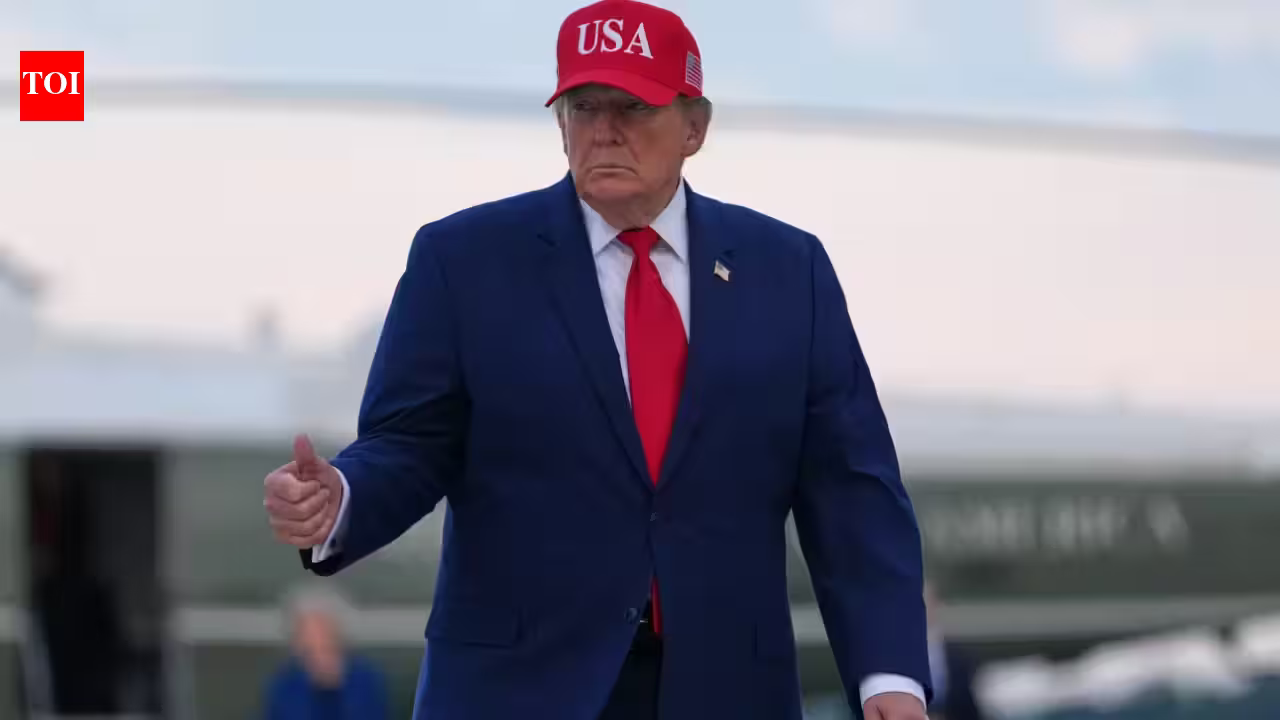
The recent executive order issued by the United States regarding the Lindsey O. Graham Sanctioning Russia and Iran Act of 2026 has introduced a complex layer of uncertainty into the global energy market. By invoking Section 115 of the legislation, the US administration has effectively suspended the imposition of aggressive tariffs—reaching up to 100 percent on crude oil and natural gas imports from Russia—for key trade partners, including India. While this move serves as an immediate reprieve for major importing nations, it is far from a permanent resolution. For India, a country that has strategically diversified its energy basket to balance affordability with national security, this development highlights the volatility of relying on waivers that can be rescinded at the discretion of the US administration.
The Global Trade Research Initiative (GTRI) has underscored that this relief should be viewed as a tactical pause rather than a shift in US foreign policy. The legislation remains on the books, providing a legal framework that could be activated during future trade disputes or shifts in diplomatic alignment. For Indian policymakers and industry leaders, this reality necessitates a robust strategy that prioritizes long-term energy security over the temporary stability offered by current US policy adjustments.
Understanding the Rationale Behind the US Waiver
The decision by the US to waive these punitive tariffs appears to be driven by a confluence of domestic pressures and strategic pragmatism rather than a change in stance toward Russia. The most significant factor is the US’s own energy security. Recent reports confirm that the US has engaged in the acquisition of Russian diesel to mitigate domestic fuel shortages and stabilize rising retail prices. This move creates a fundamental contradiction: the US cannot realistically impose 100 percent tariffs on other nations for their Russian energy imports while simultaneously utilizing those same energy sources to manage its internal market volatility.
Furthermore, the US is engaged in delicate diplomatic balancing acts, particularly with China and India. By granting a reprieve to India, Washington prevents a potential confrontation that could derail broader bilateral trade negotiations. Simultaneously, the US has agreed to hold off on increasing tariffs on Chinese goods until January 2026. Applying sector-specific penalties on India while maintaining a temporary freeze on China would have invited significant accusations of inconsistency. Thus, the waiver is as much a tool of US domestic economic management and international negotiation strategy as it is an act of diplomatic leniency.
India’s Energy Strategy in a Shifting Landscape
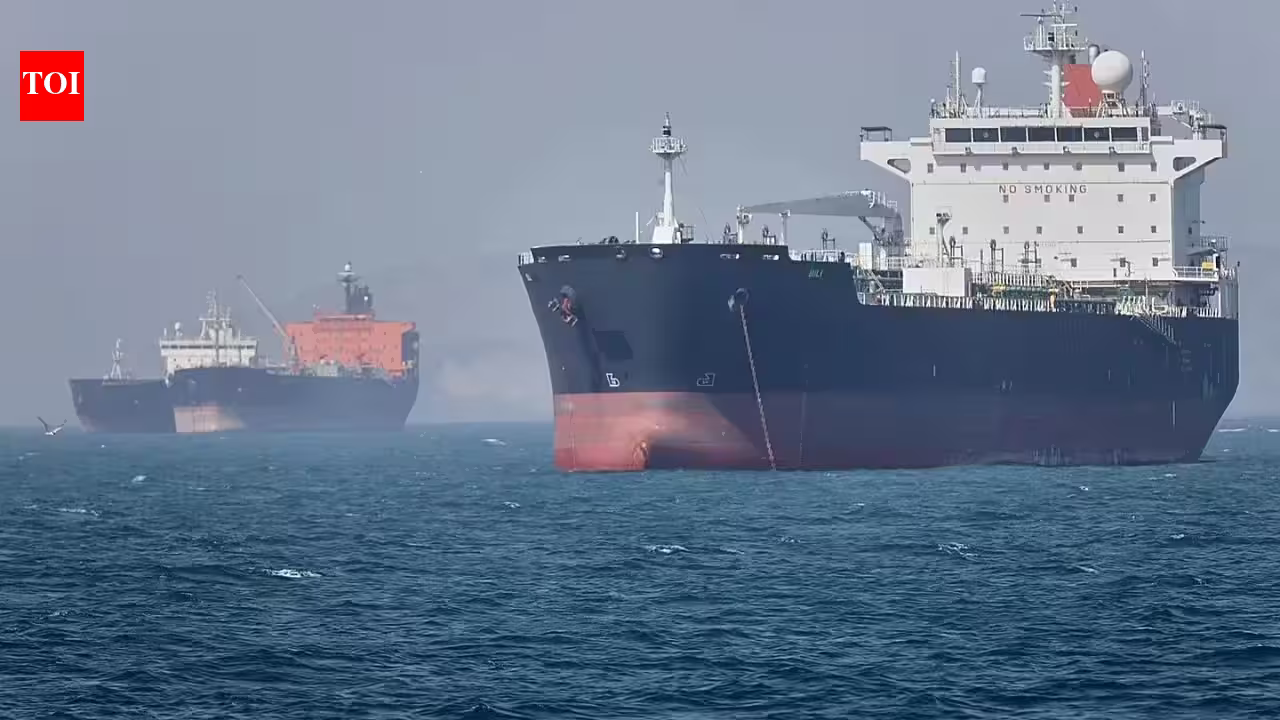
India occupies a unique position in the global energy market. As one of the world’s fastest-growing economies, the country’s appetite for energy is immense. Following the onset of the conflict in Ukraine, India emerged as a major buyer of discounted Russian crude, a decision that proved instrumental in keeping inflation in check and ensuring the continuous operation of its massive refinery sector. This strategic pivot allowed India to optimize its import bill while maintaining a neutral diplomatic stance.
Recent data shows a slight adjustment in this strategy, as India’s reliance on Russian oil saw a decline from 51 percent in July to 44 percent in August. This transition indicates that India is already proactively diversifying its suppliers, increasing imports from the UAE and the United States. This move serves a dual purpose: it reduces over-dependence on a single source of supply that is susceptible to geopolitical sanctions, and it strengthens commercial ties with alternative energy-producing nations. However, the reliance on Russian energy remains a critical component of India’s economic stability, and any sudden removal of the US waiver could pose risks to the operational costs of Indian refineries and, by extension, the domestic price of fuel.
The Risks of Relying on Temporary Policy Relief
The core message for stakeholders in the Indian economy is that temporary relief does not equate to permanent security. The Graham Act remains a potent instrument of US trade policy. The fact that the waiver lacks a fixed expiry date grants the US administration significant leverage, allowing them to monitor purchasing patterns and threaten the reinstatement of tariffs if energy imports from Russia do not meet their expectations or if trade negotiations elsewhere falter.
India’s private and public sector oil companies are now operating in an environment where they must plan for two potential scenarios: one where the current status quo persists, and another where the waiver is suddenly withdrawn. The uncertainty surrounding these duties can disrupt supply chain planning, complicate procurement contracts, and introduce volatility into the pricing mechanisms used by Indian refiners. Because the US Trade Representative will continue to track Russian energy purchases, Indian refiners face the prospect of increased scrutiny, requiring a transparent and data-driven approach to their import strategy to avoid being caught in the crosshairs of future enforcement actions.
Preparing for Future Trade Pressures
To mitigate the risks associated with this uncertain environment, India must focus on three strategic pillars: infrastructure investment, supplier diversification, and diplomatic agility. First, continuing to expand the capacity for crude storage and refinery flexibility will allow India to pivot more quickly when market conditions shift. Second, the trend of increasing imports from Middle Eastern and North American partners should be viewed as a permanent feature of India’s energy procurement policy. By building deep, long-term commercial relationships with a diverse set of suppliers, India can minimize the impact of any single supply route being compromised by international sanction regimes.
Ultimately, Indian businesses must treat the current tariff waiver as a grace period to solidify their energy independence. Engaging in heavy lobbying or relying on the expectation of continuous US leniency is an insufficient approach. Instead, Indian policy should prioritize the acquisition of oil on purely commercial terms while remaining prepared to navigate a future where US trade policy may shift. As the global energy landscape undergoes this transformation, the ability of Indian firms to forecast and react to international trade penalties will be a key determinant of their competitive edge and the country’s overall economic resilience. The reprieve provided by the current US administration is a valuable opportunity, but it is one that must be used to build structural strength rather than foster complacency.
Disclaimer: This content is auto-generated for informational purposes only.
Source: Read Original News