







National power stability has been officially restored following a widespread grid failure that left significant portions of the country in darkness for several hours today. Authorities confirmed that the national transmission system is now fully operational, with electricity supply successfully re-established across all affected districts.
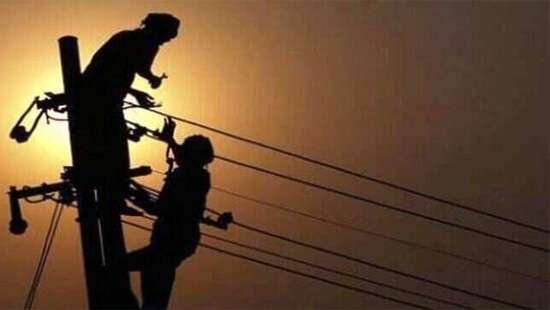
The technical breakdown, which triggered a cascading series of power outages earlier this morning, prompted an immediate emergency response from grid engineers and utility technicians. According to official statements from the Ministry of Power and Energy, the system malfunction originated at a primary transmission hub, causing a rapid collapse of the national grid. The sudden loss of load forced safety systems to activate, plunging residential, commercial, and industrial sectors into a blackout.
“Our teams worked around the clock to isolate the fault and bring the grid back online in a phased, controlled manner to prevent further damage to the infrastructure,” a spokesperson for the National Electricity Board stated. “We have completed the necessary load balancing and confirmed that the transmission network is currently stable and operating within normal parameters.”
The restoration process, which began shortly after the incident was identified, faced challenges due to the interconnected nature of the modern grid. Engineers were tasked with the delicate process of synchronizing power plants one by one to ensure a steady transition back to full capacity. While major transmission lines are now humming with activity, utility companies have noted that localized pockets of the country may still be experiencing minor, isolated flickers as distribution sub-stations finish their final calibration sequences.
Economic analysts have already expressed concern regarding the impact of the outage, particularly on manufacturing and service industries that rely on uninterrupted power. Hospitals and critical infrastructure facilities remained functional throughout the crisis, largely due to automated backup power systems and emergency generators, which successfully kicked in during the initial collapse.
While the lights have returned, the incident has reignited calls for a comprehensive audit of the national power grid’s aging infrastructure. Questions remain regarding the root cause of the transmission failure and whether the system is adequately prepared to handle current energy demands during peak consumption hours.
The Ministry of Power and Energy has announced that a high-level committee will be appointed to conduct a formal investigation into the technical failure. A preliminary report is expected to be released in the coming days, detailing the sequence of events that led to the breakdown and outlining preventative measures to avoid a recurrence of such a widespread disruption.
For now, the country breathes a sigh of relief as utility providers urge citizens to manage their energy consumption responsibly as the system stabilizes. Emergency hotlines remain active for any residential areas still reporting a lack of electricity as crews continue to monitor the network for any lingering anomalies.
Disclaimer: This content is auto-generated for informational purposes only.
Source: Read Original News